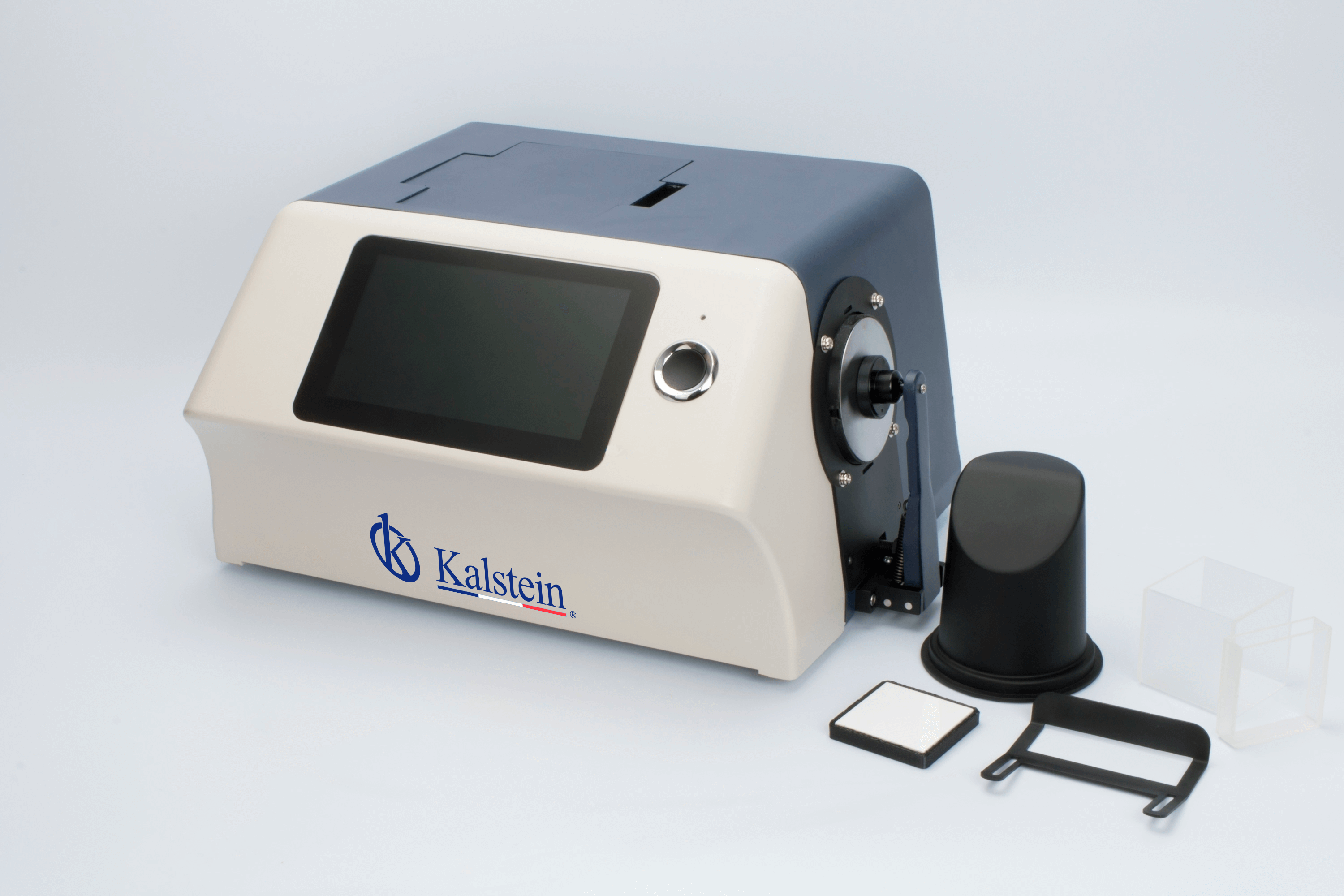
Integrating Benchtop Spectrophotometers with LIMS for Data Workflow Digitalization
The integration of benchtop spectrophotometers with Laboratory Information Management Systems (LIMS) has become a pivotal advancement in laboratory operations. This synergy not only enhances data management but also optimizes workflows, ensuring that laboratories can meet the increasing demands for efficiency and accuracy in data handling. This article delves into the critical aspects of this integration, focusing on multiple models of benchtop spectrophotometers, their specific features, and the benefits they provide in a digitized laboratory environment.
The Role of Benchtop Spectrophotometers in LIMS Integration
Benchtop spectrophotometers serve as essential tools in various laboratory applications, particularly for color analysis and quality control. When integrated with LIMS, they facilitate automated data entry, reduce human error, and improve traceability. This is crucial for laboratories aiming to comply with stringent regulations and quality standards, such as ISO 17025.
Understanding LIMS Integration
LIMS integration involves connecting laboratory instruments to a centralized system that manages data workflows. This integration streamlines processes by allowing real-time data transfer and analysis. Different connectivity protocols, such as ASTM and REST, play a significant role in ensuring effective communication between the spectrophotometer and LIMS.
Comparison of Available Models
| Model | Connectivity | Supported Protocols | Integration Effort | Best For |
|---|---|---|---|---|
| YR05474 | USB, Ethernet | ASTM, REST | Moderate | Research & Development |
| YR05475 | USB, Ethernet | ASTM, HL7 | Low | Quality Control |
| YR05476 | USB | REST | High | General Lab Use |
| YR05477 | Ethernet | ASTM | Moderate | Color Analysis |
| YR05478 | USB, Ethernet | HL7 | Low | Product Testing |
| YR05482 | Wireless | REST | High | Field Applications |
Common Mistakes and How to Avoid Them
One common mistake in integrating benchtop spectrophotometers with LIMS is underestimating the complexity of data workflows. Laboratories should prioritize thorough planning and consider the specific requirements of each model, such as compatibility with existing systems and user training. Additionally, overlooking the importance of ongoing maintenance can lead to data integrity issues.
Benefits of Integration
Integrating benchtop spectrophotometers with LIMS offers numerous benefits, including improved efficiency and accuracy in data handling. For example, the YR05474 model, with its advanced connectivity options, allows for seamless data transfer, which is crucial for maintaining compliance with ISO standards. This integration reduces the time spent on manual data entry and enhances the reliability of test results.
Connectivity Protocols and Their Impacts
Different connectivity protocols, such as ASTM and HL7, vary in their applicability and ease of use. ASTM protocols are often preferred in laboratories focused on standard testing methods, while HL7 is more suitable for data exchange in healthcare-related environments. Understanding these protocols is essential for maximizing the benefits of LIMS integration.
Challenges in Integration and Solutions
While the integration of benchtop spectrophotometers with LIMS presents significant advantages, it also comes with challenges such as data compatibility and system configuration. Laboratories can mitigate these challenges by investing in middleware solutions that facilitate communication between different systems, ensuring that data flows seamlessly and accurately.
Future Trends in Laboratory Data Management
As laboratories continue to evolve, the emphasis on data management and integration will grow. Emerging technologies such as artificial intelligence and cloud computing will play significant roles in enhancing the capabilities of LIMS and spectrophotometers. Laboratories must stay informed about these developments to remain competitive and compliant with industry regulations.
Frequently Asked Questions
How can benchtop spectrophotometers improve my LIMS data workflow?
Benchtop spectrophotometers like the YR05477 can enhance LIMS data workflows by automating data entry and reducing human error. This model supports ASTM protocols, allowing for efficient data transfer and management, crucial for maintaining compliance with ISO 17025.
What are the key features of the YR05474 for LIMS integration?
The YR05474 offers advanced connectivity options, including USB and Ethernet, enabling seamless integration with LIMS. Its compliance with multiple standards ensures accurate data management, making it ideal for laboratories focused on research and development.
Which protocols are essential for integrating benchtop spectrophotometers with LIMS?
Protocols such as ASTM and REST are fundamental for effective integration. The YR05475, for example, supports these protocols, facilitating smooth communication between the spectrophotometer and LIMS, which is crucial for accurate data handling.
How does the YR05478 support digitalization in the laboratory environment?
The YR05478 enhances digitalization by providing precise color measurement capabilities while being compatible with LIMS. This integration allows for real-time data analysis and reporting, improving laboratory efficiency and compliance.
What challenges might I face when integrating a spectrophotometer with LIMS?
Challenges include data compatibility issues and system configuration complexities. However, using middleware solutions can help overcome these challenges, ensuring that models like the YR05476 communicate effectively with LIMS.
How can I evaluate the best benchtop spectrophotometer for LIMS integration?
Evaluate models based on their connectivity options, supported protocols, and integration effort. For instance, the YR05482 offers wireless connectivity, making it suitable for field applications, while the YR05475 is easier to integrate in standard laboratory settings.
What is the cost-benefit of integrating spectrophotometers with LIMS?
The cost-benefit analysis shows that integrating spectrophotometers like the YR05474 can lead to significant savings in labor costs and improved efficiency. This investment is often returned through enhanced data accuracy and compliance with industry standards.
How does LIMS integration enhance compliance with ISO 17025?
Integration of spectrophotometers with LIMS ensures that data is consistently recorded and traceable, which is a requirement under ISO 17025. The YR05476 model, for instance, is designed to meet these compliance needs, making it suitable for quality control laboratories.
If you are looking for a fusion of innovation and quality, you have come to the right place. At Kalstein, we offer you the luxury of exploring our exclusive catalog of laboratory equipment. We manufacture every device to the highest standards of excellence. Our intuitive and seamless online purchasing channels are designed for your convenience, securing the most competitive prices. Hesitate no longer — we bring science to life, it is time to become part of our community.