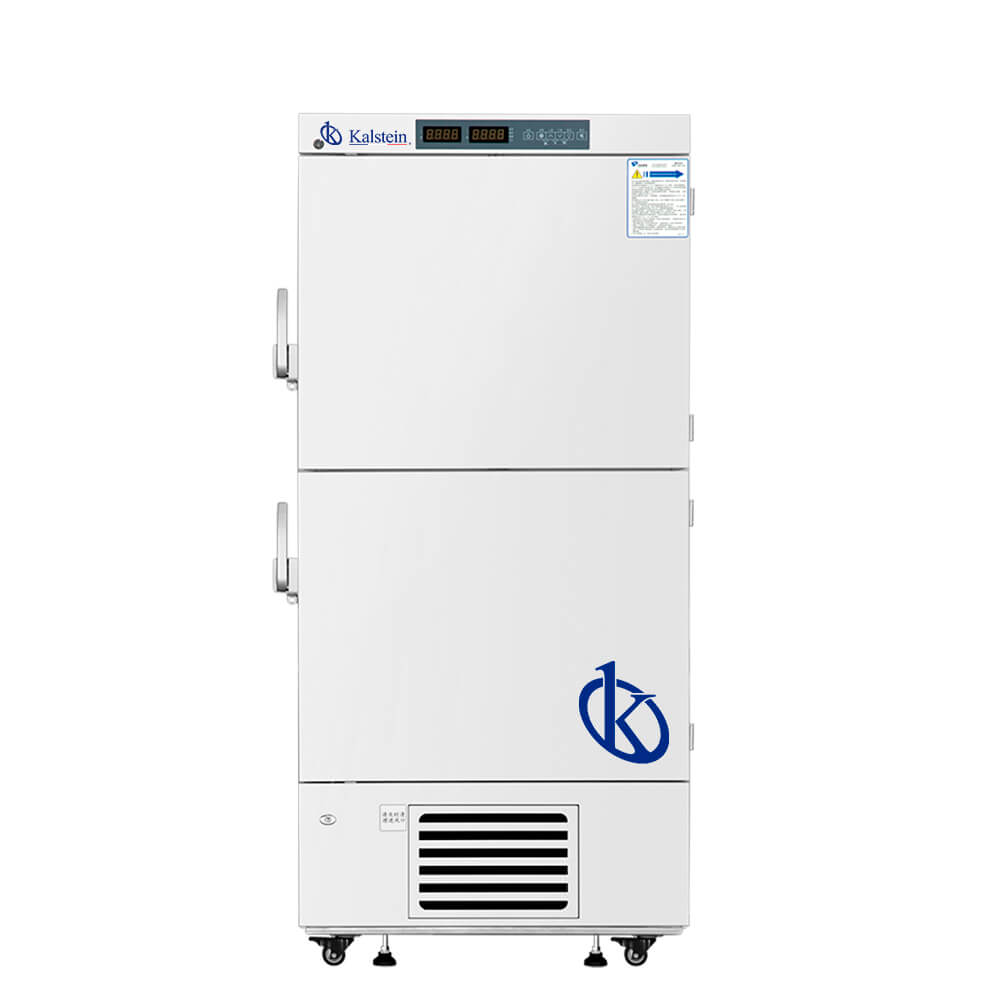
Integrating Low Temperature Freezers with LIMS: A Digital Data Workflow Guide
In today’s high-tech laboratory environment, the integration of Low Temperature Freezers with Laboratory Information Management Systems (LIMS) is crucial for optimizing workflows and data management. This article delves into the various models of low temperature freezers, their specifications, and how they facilitate digitalization of data processing, ensuring accuracy, compliance, and efficiency.
Understanding Low Temperature Freezer Integration with LIMS
Low Temperature Freezers are pivotal in numerous applications, particularly in medical and biological research, where the preservation of samples at low temperatures is essential. Integrating these freezers with LIMS can aid laboratories in managing sample data more effectively, improving traceability and reducing human errors. This integration involves establishing connectivity protocols, which allow these systems to communicate seamlessly, ensuring that temperature logs, alarms, and sample inventory are readily accessible and up-to-date.
Key Features of Low Temperature Freezers
Modern low temperature freezers come equipped with various features that enhance their usability in a connected laboratory environment. These include:
- Temperature Control Systems: Most units have dual temperature control systems that ensure consistent conditions for sample preservation.
- Flexible Storage Options: Adjustable shelves and drawers allow for optimized space usage based on sample size.
- Alarm Systems: Many models offer multiple alarms for high/low temperatures, power failures, and sensor errors.
Comparison of Available Models
| Model | Temperature Range (°C) | Cooling Method | Energy Consumption (kWh/24h) | Best For |
|---|---|---|---|---|
| YR05100 | -20 ~ -40 | Direct Cooling | 6.7 | General laboratory use with flexible storage needs |
| YR05309 | -20 ~ -40 | Direct Cooling | 5.5 | Medical supplies and sample preservation in hospitals |
| YR05311 | -10 ~ -25 | Direct Cooling | 3.0 | Laboratories requiring multi-sample storage solutions |
Technical Aspects of Integration
The integration process requires a thorough understanding of the LIMS and the protocols that the low temperature freezers support. Popular protocols include HL7 and ASTM, both of which facilitate the transfer of data between devices and the LIMS. For instance, the YR05309 model is particularly effective for medical supplies due to its advanced alarm systems and monitoring capabilities, which can feed real-time data into a LIMS for immediate reaction to any deviations.
Connectivity Protocols for Low Temperature Freezers
When integrating low temperature freezers with LIMS, it is essential to select the right connectivity protocols. The following are commonly used:
- HL7: Widely used in healthcare settings for transmitting health information.
- ASTM: Ideal for laboratory data exchange, ensuring sample data can be directly linked from the freezer to the information system.
- Custom Middleware: Some labs deploy custom solutions that bridge the gap between standard protocols and specific laboratory requirements.
Compliance and Regulatory Standards
Ensuring compliance with regulatory standards such as ISO 17025 is a critical aspect of laboratory operations. Low temperature freezers must meet certain criteria to be considered compliant. For instance, the YR05100 model features independent chambers with individual temperature indicators, enhancing traceability which is essential for maintaining ISO compliance.
Common Mistakes and How to Avoid Them
In the integration of low temperature freezers with LIMS, several common pitfalls can disrupt operations:
- Neglecting Data Management: Ensure that all temperature logs and alarm data are routinely checked and accurately recorded in the LIMS.
- Ignoring Calibration Needs: Regular calibration of temperature sensors is crucial for compliance and operational efficiency.
- Inadequate Training: Staff must be adequately trained on both the LIMS and the freezer operations to ensure seamless integration.
Frequently Asked Questions
How can I achieve effective LIMS integration with low temperature freezers?
To achieve effective LIMS integration, you can use a model like YR05309, which supports various connectivity protocols, including ASTM. This ensures that your temperature readings and alarm notifications are accurately transferred to your LIMS for better data management.
What are the benefits of digitalized data workflows in laboratories using low temperature freezers?
Digitalized data workflows enhance accuracy and efficiency in laboratories. By integrating a low temperature freezer like YR05100 with LIMS, labs can automate data recording, ensuring real-time monitoring of sample conditions, which is crucial for compliance with ISO standards.
Which low temperature freezer model offers the best compliance features?
The YR05100 model is notable for its dual independent chambers and temperature monitoring, making it ideal for compliance with standards like ISO 17025. Its features support detailed tracking of sample conditions, essential for maintaining quality control.
How frequently should calibration be performed on low temperature freezers?
Calibration for models like the YR05311 should be performed regularly, at least quarterly or after significant temperature excursions, to ensure accurate temperature readings and compliance with laboratory standards.
What role do alarm systems play in low temperature freezer integration?
Alarm systems are critical for alerting staff to temperature deviations. For instance, the YR05309 model has comprehensive alarm features that integrate with LIMS, ensuring immediate action can be taken when conditions are outside specified limits.
What are the energy efficiency ratings of low temperature freezers?
Energy efficiency varies by model; for example, the YR05311 consumes 3.0 kWh/24h which makes it a more sustainable option for laboratories looking to reduce operational costs while adhering to environmental standards.
How can I identify the best low temperature freezer for my laboratory needs?
Assess your laboratory's specific requirements, such as sample size, storage capacity, and compliance needs. Models like YR05100 are versatile for general lab use, while YR05309 is tailored for medical applications, ensuring you select the best fit.
What factors should be considered for LIMS integration with low temperature freezers?
Key factors include the compatibility of connectivity protocols, the complexity of integration, and the specific features of the freezer models, such as those found in YR05311 which streamline multi-sample storage and tracking.
If you are looking for a fusion of innovation and quality, you have come to the right place. At Kalstein, we offer you the luxury of exploring our exclusive catalog of laboratory equipment. We manufacture every device to the highest standards of excellence. Our intuitive and seamless online purchasing channels are designed for your convenience, securing the most competitive prices. Hesitate no longer — we bring science to life, it is time to become part of our community.