Integrating Portable Conductivity Meters with LIMS: Data Flow Digitalization
In the rapidly evolving landscape of laboratory technology, the integration of portable conductivity meters with Laboratory Information Management Systems (LIMS) is becoming increasingly vital. This integration not only enhances data accuracy but also streamlines workflow processes, allowing for efficient data management and analysis in real-time. As laboratories strive for digitalization, understanding how to implement this technology effectively is essential for improving operational efficiency and compliance.
Understanding Portable Conductivity Meters
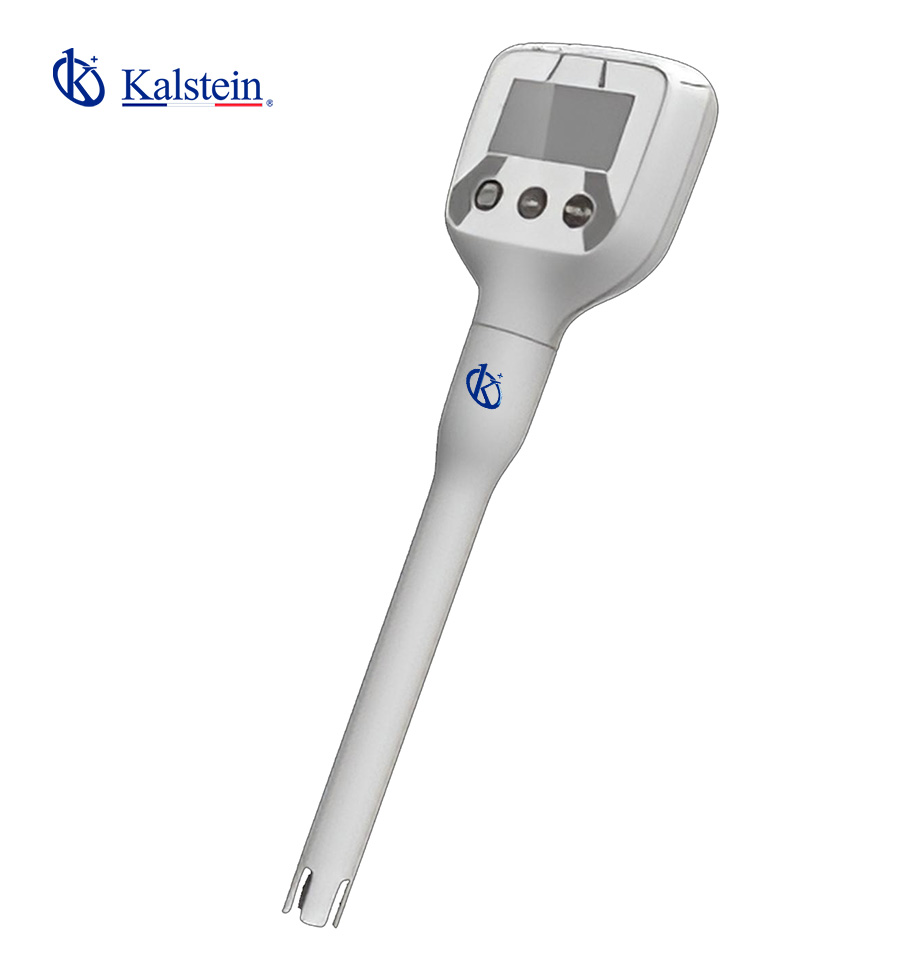
Portable conductivity meters are essential tools for measuring the electrical conductivity of solutions, which correlates with the concentration of ions in a sample. These devices are widely used in various fields, including environmental monitoring, food processing, and chemical laboratories. Their portability allows for on-site measurements, which is crucial for timely decision-making.
Importance of LIMS Integration
Integrating portable conductivity meters with LIMS facilitates seamless data transfer and real-time monitoring, significantly enhancing laboratory efficiency. By automating data capture, laboratories can reduce human error, improve traceability, and maintain compliance with industry standards. The connection between portable devices and LIMS allows for a smooth digital workflow, enabling scientists to focus on analysis rather than data entry.
Comparison of Available Models
| Model | Connectivity | Protocols Supported | Integration Effort | Best For |
|---|---|---|---|---|
| YR01805 | No | N/A | Low | Field measurements |
| YR01806 | USB | ASTM | Medium | Laboratory analysis |
| YR01808 | No | N/A | Low | General usage |
| YR01809 | Bluetooth | REST | High | Advanced laboratories |
| YR01810 | USB | ASTM | Medium | Field and lab |
| YR01811 | No | N/A | Low | Budget measurements |
Digitalization of Data Flow
Digitalization of data flow refers to the transition from manual data collection and entry to automated processes that utilize technology. Portable conductivity meters integrated with LIMS contribute to this digital transformation by allowing for automatic logging of results directly into the laboratory information system. This reduces the likelihood of transcription errors and allows for immediate access to data for analysis and reporting.
Connectivity Protocols for Effective Integration
Connectivity protocols are the backbone of effective integration between portable conductivity meters and LIMS. Common protocols include ASTM and REST. For instance, the YR01806 model supports ASTM protocols, which are widely recognized in laboratory settings, ensuring compatibility with most LIMS systems. Understanding these protocols is crucial for a successful implementation that enhances data integrity and security.
Steps for Successful Integration
Integrating portable conductivity meters with LIMS involves several key steps: Assessing the compatibility of the device with existing LIMS, selecting the appropriate connectivity protocol, and establishing a clear data entry and validation process. Each step should be aligned with laboratory workflows to ensure minimal disruption and maximum efficiency.
Common Mistakes and How to Avoid Them
One common mistake in the integration process is underestimating the importance of protocol compatibility. Selecting a model that does not support the required protocol can lead to data transfer issues. Another mistake is neglecting user training on the new system, which can result in inefficient use of the integrated system. Proper training and thorough understanding of the chosen model's capabilities, like the YR01806's advanced features, are essential for successful integration.
Frequently Asked Questions
How can portable conductivity meters help in LIMS integration?
Portable conductivity meters streamline data entry into LIMS, enhancing efficiency. Models like YR01806 utilize USB connectivity, allowing for easy data transfer. This integration reduces transcription errors and provides real-time data access, optimizing laboratory workflows.
Which connectivity protocols are best for integrating conductivity meters with LIMS?
ASTM and REST are widely used protocols that facilitate LIMS integration. For example, the YR01806 supports ASTM, making it suitable for laboratories requiring standardized data formats for compliance and reporting.
What are the benefits of automating data flow with portable conductivity meters?
Automating data flow minimizes manual data entry errors and saves time. Using models like YR01809 with Bluetooth connectivity allows seamless data transfer to LIMS, thus improving accuracy and enhancing overall laboratory efficiency.
How does the YR01810 model support digitalization in laboratories?
YR01810 integrates multiple measurement modes, allowing for comprehensive data collection. Its USB connectivity facilitates easy integration with LIMS, making it a versatile tool for digitalization in laboratories focusing on conductivity measurements.
What are common pitfalls when integrating conductivity meters with LIMS?
Common pitfalls include choosing devices without necessary connectivity and inadequately training staff. For instance, opting for the YR01811 without ensuring compatibility with LIMS can hinder effective data management.
Why is protocol compatibility critical for LIMS integration?
Protocol compatibility ensures seamless data transfer and compliance. For example, the YR01806's adherence to ASTM protocols allows for reliable data logging and reporting in laboratories, making it crucial for effective integration.
How can I ensure efficient data handling with portable conductivity meters?
Implementing standardized protocols and training staff on the use of models like YR01810 can ensure efficient data handling. This enables laboratories to handle data accurately and with minimal errors during integration with LIMS.
Embracing Future Technologies
As laboratories continue to embrace digitalization, integrating portable conductivity meters with LIMS will become a standard practice. The trend towards automation and data accuracy highlights the need for these integrations, paving the way for improved laboratory practices.
By understanding the capabilities of different models such as YR01806 and their role in LIMS integration, laboratories can enhance their operational efficiency, ensure compliance, and ultimately contribute to better scientific outcomes.
If you are looking for a fusion of innovation and quality, you have come to the right place. At Kalstein, we offer you the luxury of exploring our exclusive catalog of laboratory equipment. We manufacture every device to the highest standards of excellence. Our intuitive and seamless online purchasing channels are designed for your convenience, securing the most competitive prices. Hesitate no longer — we bring science to life, it is time to become part of our community.