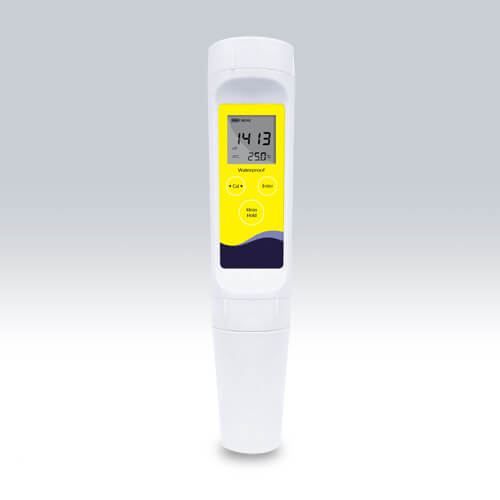
How to Interpret Results and Read Measurements with the YR01810 Conductivity Meter
The YR01810 is a versatile pocket conductivity meter designed for accurate measurement of Total Dissolved Solids (TDS) and salinity. Understanding how to interpret the results from this device is crucial for obtaining reliable data in various applications. In this article, we will delve into the specifics of reading measurements, the significance of each parameter, and how to avoid common misinterpretations.
Technical Overview of the YR01810
| Model | YR01810 |
|---|---|
| Conductivity Range | 0 to 20.00, 200.0, 2000µS/cm, 20.00mS/cm |
| Resolution | 0.01, 0.1, 1 |
| Accuracy | ±1% F.S. |
| Calibration Points | 1 to 3 points |
| TDS Range | 0 to 10.00, 100.0, 1000ppm, 10.00, 20.00ppt |
| Salinity Range | 0.00 to 10.00ppt |
| Temperature Range | 0 to 60°C / 32 to 140°F |
Understanding Conductivity and Its Significance
Conductivity is a measure of a material's ability to conduct electric current, which is crucial in assessing water quality in various applications. The YR01810 measures conductivity in microsiemens per centimeter (µS/cm) and millisiemens per centimeter (mS/cm), providing a clear indication of the level of dissolved salts and minerals in a solution.
A high conductivity reading typically indicates a high concentration of dissolved ions, which could signify potential impurities in water. In contrast, low conductivity suggests low levels of dissolved solids, ideal for specific processes requiring pure water.
How to Read Measurements Accurately
The YR01810 features a dual LCD display, which allows users to view multiple measurements simultaneously. When interpreting results, consider the following:
- Units of Measurement: Ensure you are familiar with the units being displayed (µS/cm, ppm, ppt). Each unit serves a different context depending on the application.
- Calibration: Verify the calibration points set in the device. Accurate readings heavily rely on proper calibration, which can be performed using standard solutions specific to the measurement range.
- Temperature Compensation: The YR01810 automatically compensates for temperature variations, which is critical since conductivity readings can vary with temperature. Be mindful that results presented are adjusted to the standard reference temperature.
Common Misinterpretations of Results
Misunderstanding results can lead to incorrect conclusions about water quality. Here are some common misinterpretations:
- Assuming High Conductivity Always Indicates Contamination: While high conductivity suggests higher ion concentration, it does not automatically mean the water is contaminated. It may also be indicative of beneficial minerals.
- Ignoring Temperature Impact: If readings are taken at varying temperatures without considering the effects, they may lead to skewed interpretations of water quality.
- Overlooking Calibration Issues: Failing to recalibrate the device regularly can result in persistent measurement errors. Always check calibration, especially if results seem inconsistent.
Practical Applications of the YR01810 in Various Fields
The YR01810 is widely used in different sectors, each requiring precise measurements for specific purposes:
1. Clinical Applications
In clinical laboratories, the YR01810 is utilized to analyze samples from patients, ensuring that the quality of water used in tests meets required standards. Accurate TDS measurements can help assess the purity of water used in dialysis treatments.
2. Industrial Applications
Industries often need to monitor the conductivity of water in cooling systems and production processes. This device helps maintain optimal operational efficiency by ensuring that water quality remains within specified parameters.
3. Educational Use
In educational institutions, the YR01810 serves as a practical tool for teaching students about water quality and environmental science. Students can perform hands-on experiments to understand the effects of various solutes on conductivity.
4. Food and Beverage Industry
Ensuring that the water used in food preparation meets safety standards is crucial. The YR01810 can help monitor and maintain the quality of water in food production processes to prevent contamination.
Frequently Asked Questions
What parameters can be measured with the YR01810?
The YR01810 can measure conductivity, TDS (Total Dissolved Solids), and salinity. Each parameter gives insights into the quality of water by indicating the concentration of dissolved substances.
How do you calibrate the YR01810?
Calibration of the YR01810 can be performed using standard solutions. Users can select the number of calibration points (1 to 3) in the settings menu, ensuring that the readings are accurate at different measurement ranges.
What should I do if the YR01810 displays an error code?
Error codes may indicate issues like calibration failure or sensor problems. Refer to the user manual for specific error codes and troubleshooting steps to resolve the issue.
How can temperature affect the readings on the YR01810?
Temperature can significantly impact conductivity measurements. The YR01810 has an automatic temperature compensation feature that adjusts readings to standard conditions, ensuring accuracy despite temperature variations.
What maintenance does the YR01810 require?
Regular maintenance is essential for the YR01810 to ensure accurate readings. Users should clean the electrode regularly, check calibration, and store the device in a suitable environment to prolong its lifespan.
Is the YR01810 waterproof?
Yes, the YR01810 is designed with waterproof features, making it suitable for use in challenging environments. This ensures that the device remains functional even in wet conditions.
If you are looking for a fusion of innovation and quality, you have come to the right place. At Kalstein, we offer you the luxury of exploring our exclusive catalog of laboratory equipment. We manufacture every device to the highest standards of excellence. Our intuitive and seamless online purchasing channels are designed for your convenience, securing the most competitive prices. Hesitate no longer — we bring science to life, it is time to become part of our community.