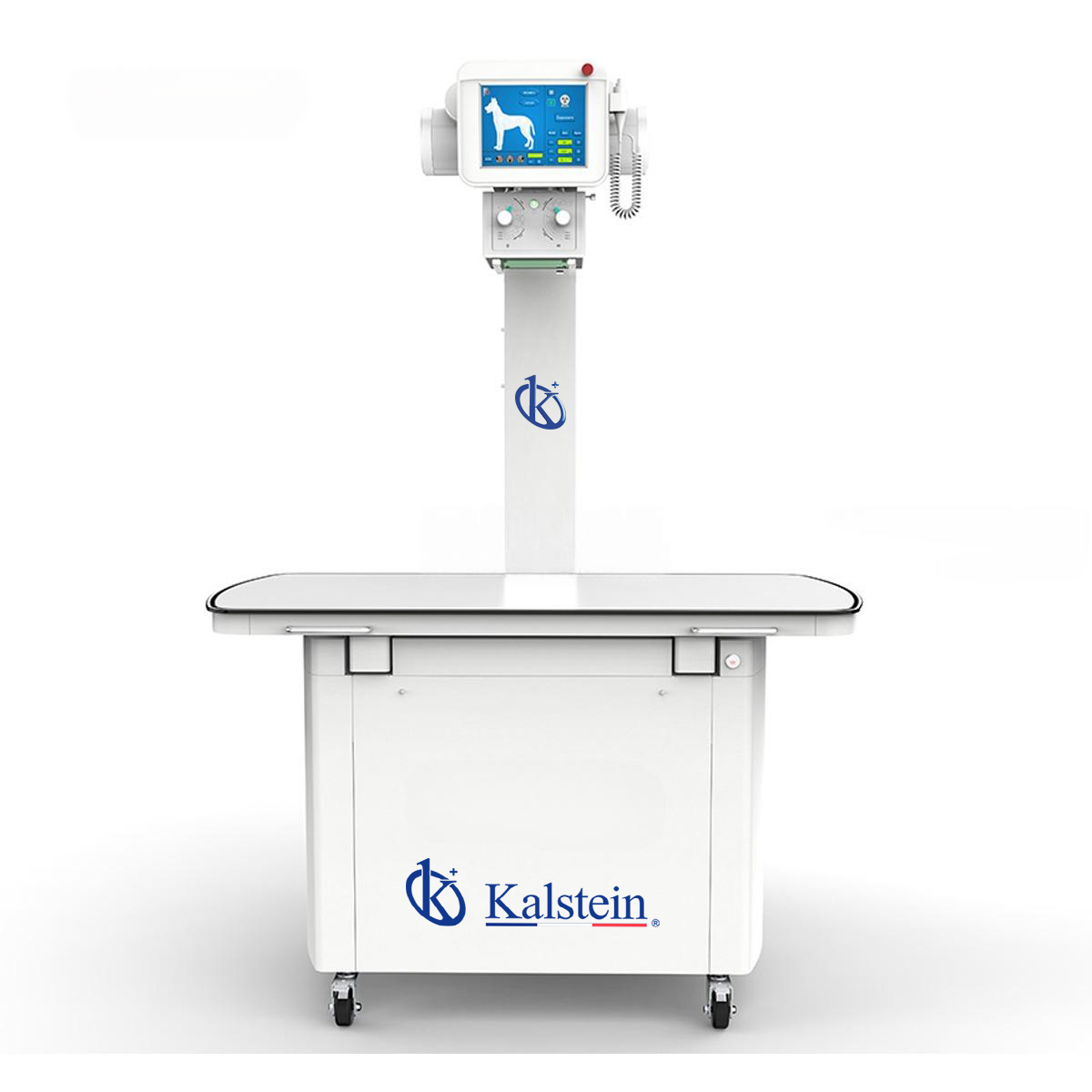
How to Interpret Results and Read Measurements with the YR06163 Veterinary X-ray System
The YR06163 Veterinary X-ray System is a sophisticated tool designed for accurate imaging in veterinary practices. Understanding how to interpret the results and read the measurements accurately is crucial for making informed decisions regarding animal health. This article will delve into the principles of measurement interpretation, key parameters displayed by the system, and common pitfalls when reading results.
Understanding the Key Features of the YR06163
The YR06163 is equipped with advanced features that facilitate the measurement and interpretation of X-ray results. It displays critical parameters such as kV, mAs, and exposure time on a user-friendly digital panel. Knowing how to interpret these parameters is essential for veterinary professionals.
Technical Specifications of the YR06163
| Specification | Details |
|---|---|
| Model | YR06163 |
| Maximum Output Power | 20 kW |
| Tube Current Range | 32~320 mA |
| Tube Voltage Range | 40 kV~120 kV |
| Exposure Time Range | 10 ms~5000 ms |
| mAs Range | 0.32 mAs~320 mAs |
| Input Voltage Range | AC 220V±22V |
| Communication Interface | RS-232 |
| Other Features | Automatic capacity lock, automatic fault diagnosis, self-protection |
| Max. Tube Voltage | 120 kV |
| Focus | Small focus: 1.0 mm; Large focus: 2.0 mm |
Reading the kV Measurements
The kV (kilovolt) setting is crucial for ensuring the right penetration of the X-ray beam through the subject. In general, a higher kV setting results in greater penetration and less contrast, while lower settings provide higher contrast images. Understanding how to select the appropriate kV based on the type of tissue being imaged is essential for accurate diagnoses.
For example, imaging denser tissues such as bones typically requires higher kV settings, while softer tissues may benefit from lower settings to enhance contrast. Familiarity with the anatomy and the type of tissue being examined will aid in selecting the optimal kV setting.
Interpreting the mAs Measurements
The mAs (milliampere-seconds) parameter controls the total amount of radiation exposure delivered during the imaging process. A higher mAs results in increased radiation exposure, leading to darker images. Conversely, lower mAs will yield lighter images due to reduced exposure.
It is essential to balance these readings with the desired image quality and clinical objectives. For example, if a high-quality image is needed for a detailed examination, increasing the mAs may be necessary. However, minimizing exposure to radiation is also a critical consideration, particularly in veterinary practices.
Common Errors in Measurement Interpretation
When interpreting results from the YR06163, several common errors can arise. One prevalent issue is misreading the kV and mAs values displayed, which can lead to incorrect exposure settings. Additionally, misunderstanding the relationship between image density and exposure factors can result in poor-quality images.
To mitigate these errors, veterinary professionals should develop a routine for double-checking settings before initiating an X-ray. Regular training and familiarization with the equipment can further enhance accuracy and confidence in reading measurements.
Best Practices for Reading Exposure Times
Exposure time is another critical parameter that affects the quality of the X-ray images. A longer exposure time can lead to motion blur, especially if the subject does not remain still. Understanding the appropriate exposure time for different applications is essential for obtaining sharp, clear images.
As a rule of thumb, exposure times should be minimized while ensuring sufficient exposure levels to achieve the desired image contrast and detail. Utilizing the automatic features of the YR06163 can help streamline this process and reduce the risk of errors.
Frequently Asked Questions
What are the main measurements displayed on the YR06163?
The YR06163 displays key measurements such as kV (kilovolts), mAs (milliampere-seconds), and exposure time. These parameters are essential for determining the appropriate settings for X-ray imaging.
How does kV affect the quality of X-ray images?
Kv affects the penetration of the X-ray beam. Higher kV results in lower contrast but better penetration, while lower kV provides higher contrast but less penetration. Choosing the correct kV is crucial for image quality based on the tissue type being examined.
Why is proper mAs selection important?
Proper mAs selection is important because it directly impacts the radiation dose delivered to the subject and the image darkness. Balancing mAs with the desired image quality is essential for effective imaging.
What common mistakes should be avoided when reading measurements?
Common mistakes include misreading kV and mAs settings, overlooking exposure time, and not understanding the relationship between exposure factors and image quality. Regular training and familiarization with the equipment can help prevent these errors.
How can I ensure consistent results with the YR06163?
To ensure consistent results, establish a routine for checking settings, familiarize yourself with the equipment, and adhere to best practices for exposure settings. Regular maintenance of the X-ray system will also contribute to reliable performance.
To learn more about the YR06163 and its applications in veterinary practices, don’t hesitate to request a quote.
If you are looking for a fusion of innovation and quality, you have come to the right place. At Kalstein, we offer you the luxury of exploring our exclusive catalog of laboratory equipment. We manufacture every device to the highest standards of excellence. Our intuitive and seamless online purchasing channels are designed for your convenience, securing the most competitive prices. Hesitate no longer — we bring science to life, it is time to become part of our community.