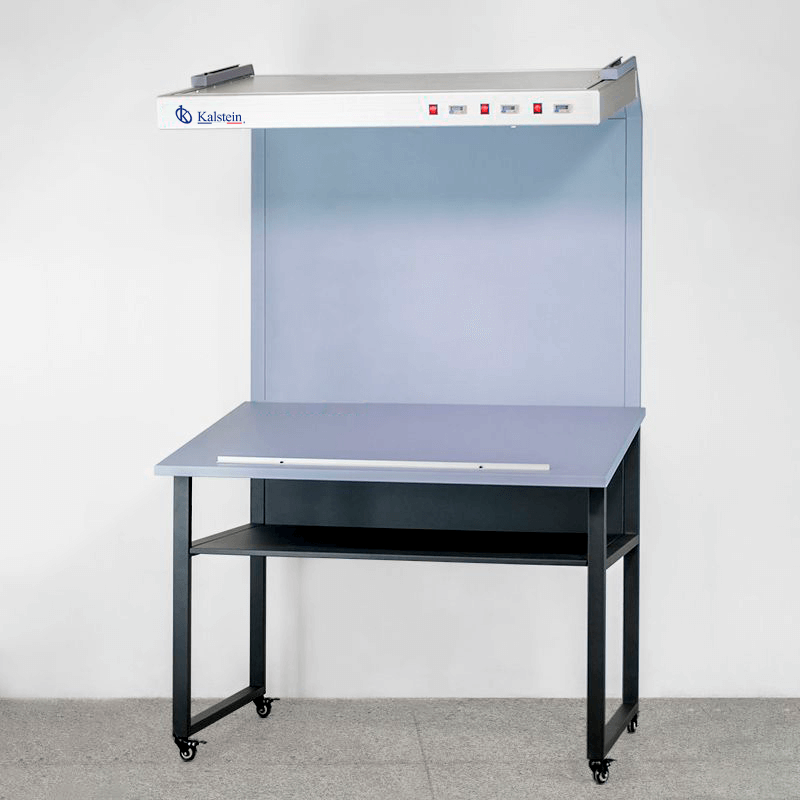
Interpreting Results and Measurement Readings with the YR05536 Color Test Station Light Box
The YR05536 Color Test Station Light Box is an essential tool for industries requiring precise color evaluation, such as printing and furniture manufacturing. This device is designed to provide accurate results by simulating various lighting conditions. Understanding how to interpret results and measurement readings is crucial for quality control and product validation. This article will delve into the operational principles, technical specifications, and practical applications of the YR05536 to enhance your color evaluation processes.
Principle of Operation: Understanding the YR05536
The YR05536 operates based on the principles of light and color perception. By utilizing multiple light sources, including D65, D50, and U30, the unit allows users to observe colors under different illumination conditions, which is essential for accurate color matching. When items are observed under various lighting, their perceived color may change, affecting judgment. The light box is controlled by a microcomputer that facilitates swift transitions between light sources, ensuring that users can conduct color evaluations efficiently.
The choice of light sources is critical, as different lighting can alter the way colors appear. For instance, daylight simulators (D65) closely mimic natural light, while others like TL84 may be used in specific industries. Understanding the physical principles of light interaction with surfaces and materials is vital. This allows for better comprehension of how to interpret results generated by the YR05536.
Technical Specifications and Setup of the YR05536
| Specification | Details |
|---|---|
| Model | YR05536 |
| Light Sources | D65 6500K 36W x 4, D50 5000K 36W x 4, U30 3000K 36W x 4 |
| Power | AC 220V 50HZ |
| Table Size (cm) | 135 x 90 |
| Overall Size (cm) | 135 x 99 x 217 |
When setting up the YR05536, ensure that the workspace is adequately arranged. This includes ensuring correct power supply specifications and adequate ventilation to avoid overheating. The light box should also be positioned away from direct sunlight or reflective surfaces to minimize ambient light interference.
Interpreting Measurement Readings
Measurement readings from the YR05536 should be interpreted with care. Users must familiarize themselves with the display readings, which could include numerical values representing color coordinates or descriptions of color matches based on the light source used. For example, values may indicate a color's position in an established color space such as CIELAB.
Common units include L*, a*, b* values, where L* represents lightness, and a* and b* indicate color positions on a green-red and blue-yellow axis, respectively. Understanding the significance of these units will empower users to make informed decisions based on the readings. For accurate assessments, users should compare results against standard references for the specific materials being evaluated.
Common Misinterpretations and How to Avoid Them
One of the most common misinterpretations when using the YR05536 involves assuming that colors will appear the same across different lighting conditions. To avoid this, always confirm that the light source is appropriate for the material being evaluated. Additionally, factors such as surrounding colors and the viewing angle can also influence perception.
Another frequent issue is neglecting lamp maintenance. As lamps age, their output can become unstable, leading to erroneous readings. Always monitor the operational hours of the lamps and replace them as necessary to maintain consistent performance. Users should regularly document lamp usage to anticipate replacements effectively.
Industry Applications of the YR05536
The YR05536 serves various industries, including printing, textiles, and furniture design. Each sector utilizes the light box differently to meet specific color evaluation needs. For instance, in printing, precise color matching is crucial for quality assurance, while in furniture design, color consistency across batches is necessary for customer satisfaction.
In clinical settings, the YR05536 can assist in assessing colors in specimen samples, ensuring that standardization is upheld. Each of these applications highlights the versatility of the YR05536 and the importance of correctly interpreting measurements within various contexts.
Frequently Asked Questions
What are the primary light sources used in the YR05536?
The YR05536 utilizes D65, D50, and U30 light sources, which are crucial for simulating natural and fluorescent lighting conditions for accurate color evaluation.
How should I maintain the YR05536 for optimal performance?
Regular maintenance involves monitoring the lamp hours, replacing lamps when they show signs of aging, and ensuring the workspace is clean to reduce dust interference.
Can the YR05536 be used for color matching in textiles?
Yes, the YR05536 is ideal for color matching in textiles, ensuring that fabric colors remain consistent across different production runs.
What should I do if the YR05536 does not power on?
Check the power supply to ensure it is connected properly and verify that the circuit is operational. If issues persist, consult the troubleshooting guide for further steps.
How does the YR05536 enhance color evaluation in clinical applications?
The YR05536 allows for accurate assessment of color in specimens, aiding in ensuring that clinical tests meet established color standards for diagnostics.
If you are looking for a fusion of innovation and quality, you have come to the right place. At Kalstein, we offer you the luxury of exploring our exclusive catalog of laboratory equipment. We manufacture every device to the highest standards of excellence. Our intuitive and seamless online purchasing channels are designed for your convenience, securing the most competitive prices. Hesitate no longer — we bring science to life, it is time to become part of our community.