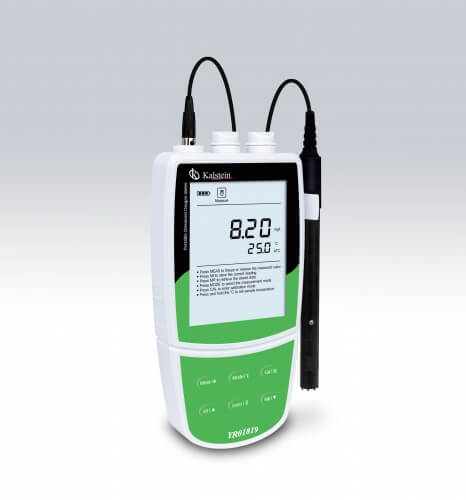
Interpreting Results and Reading Measurements with the YR01819 Portable Dissolved Oxygen Meter
The YR01819 Portable Dissolved Oxygen Meter is a valuable tool for professionals engaged in various fields, including water treatment, aquaculture, and industrial processes. Understanding how to interpret its measurements is crucial for making informed decisions based on the data it provides. This article will delve into the essential aspects of reading and interpreting results from the YR01819, along with its technical specifications and applications.
Technical Specifications of the YR01819
| Specification | Value |
|---|---|
| Model | YR01819 |
| Dissolved Oxygen Range | 0.00 to 20.00 mg/L |
| Resolution | 0.01 mg/L |
| Accuracy | ±0.5 mg/L |
| Calibration Points | 1 or 2 points |
| Temperature Compensation | 0 to 50°C (32 to 122°F), automatic |
| Memory Capacity | Stores up to 100 data sets |
| Power Supply | 3 AA batteries or 5V DC power adapter |
| Dimensions | 170(L) x 85(W) x 30(H) mm |
| Weight | 300g |
Understanding Measurements and Units
The YR01819 measures the concentration of dissolved oxygen in water, which is typically expressed in milligrams per liter (mg/L). This unit is crucial for assessing water quality, as it indicates the amount of oxygen available for aquatic organisms. The normal range of dissolved oxygen levels varies depending on the environment:
- Freshwater: 6 to 14 mg/L
- Marine water: 4 to 8 mg/L
- Estuarine water: 5 to 10 mg/L
When interpreting results, it's essential to consider these ranges to assess whether the water is suitable for its intended use. For instance, levels below 5 mg/L can indicate hypoxic conditions, which can negatively impact fish and other aquatic life.
Common Misinterpretations of Results
Operators may face challenges in interpreting readings from the YR01819. Some common misinterpretations include:
- Reading fluctuations: Operators might confuse natural fluctuations in dissolved oxygen levels due to environmental changes (e.g., temperature, barometric pressure) with faulty equipment readings. Understanding the calibration and environmental influences can help differentiate between the two.
- Assuming accuracy from a single measurement: A single reading may not provide a complete picture of water quality. It is crucial to take multiple measurements at different times or locations for a comprehensive assessment.
- Ignoring temperature effects: Temperature can significantly affect dissolved oxygen levels. Make sure to account for temperature effects when interpreting results.
Factors Affecting Dissolved Oxygen Measurements
Several factors can affect the accuracy and interpretation of dissolved oxygen measurements, including:
- Temperature: As temperature increases, the solubility of oxygen typically decreases, leading to lower dissolved oxygen levels.
- Salinity: Higher salinity levels can reduce the amount of dissolved oxygen in water, necessitating the use of salinity compensation in readings.
- Barometric pressure: Changes in atmospheric pressure can also affect dissolved oxygen readings, making it essential to calibrate the YR01819 accordingly.
Use Cases of the YR01819 in Various Industries
The YR01819 Portable Dissolved Oxygen Meter is versatile and can be used in several applications:
- Water Treatment: Assessing and monitoring dissolved oxygen levels in treatment facilities to ensure the proper functioning of aerobic processes.
- Aquaculture: Maintaining optimal oxygen conditions in fish farming environments to ensure healthy growth and survival rates.
- Industrial Processes: Monitoring dissolved oxygen levels during production processes where oxygen saturation is critical.
Frequently Asked Questions
How do I calibrate the YR01819 Portable Dissolved Oxygen Meter?
Calibration can be performed at one or two points using air-saturated water or zero-oxygen solution. Follow the instructions in the user manual for detailed steps on calibration procedures.
What should I do if the YR01819 gives inconsistent readings?
Inconsistent readings could indicate a need for recalibration, a faulty sensor, or environmental factors affecting the measurement. Check for any obstructions on the sensor and ensure proper calibration.
Can I use the YR01819 in field applications?
Yes, the YR01819 is designed for portability and field use, making it suitable for outdoor environments and various monitoring applications.
What maintenance is required for the YR01819?
Regular checks of the sensor's condition, cleaning, and timely calibration are essential for maintaining accuracy. Refer to the user manual for specific recommendations on maintenance practices.
What does the memory function do on the YR01819?
The memory function allows the YR01819 to store up to 100 data sets, enabling users to track measurements over time and analyze trends easily.
How does temperature compensation work in the YR01819?
The YR01819 automatically adjusts readings based on the temperature to ensure accurate results across its operational range.
Where can I request a quote for the YR01819?
You can request a quote by contacting our sales team or through our dedicated request form.
If you are looking for a fusion of innovation and quality, you have come to the right place. At Kalstein, we offer you the luxury of exploring our exclusive catalog of laboratory equipment. We manufacture every device to the highest standards of excellence. Our intuitive and seamless online purchasing channels are designed for your convenience, securing the most competitive prices. Hesitate no longer — we bring science to life, it is time to become part of our community.