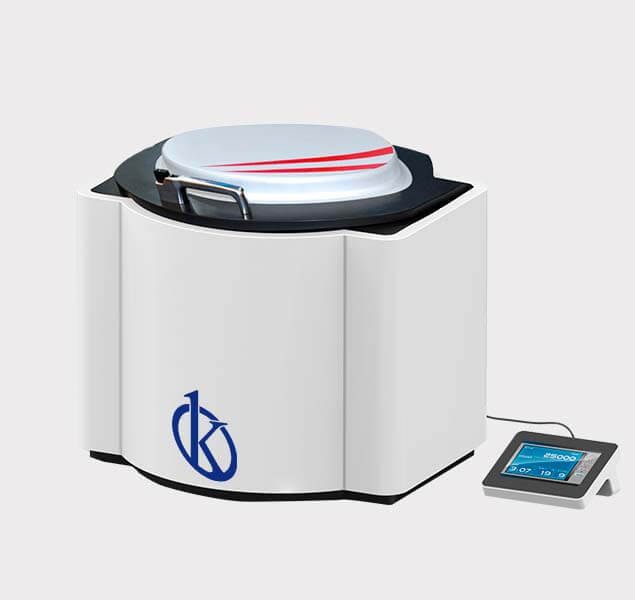
Interpreting Results and Reading Measurements with the YR04957 Microwave Digestion System
The YR04957 Microwave Digestion System is a state-of-the-art laboratory tool designed for efficient sample digestion. Understanding how to interpret results and accurately read measurements from this device is crucial for obtaining reliable data in various applications. This article will delve deeply into the system's features, focusing on how users can maximize its capabilities for precise measurements.
Understanding the YR04957 Microwave Digestion System
The YR04957 is equipped with advanced technology that allows for precise control over digestion processes, ensuring optimal sample preparation. With features like automatic pressure ventilation and a patented self-closing structure, it significantly reduces the risk of sample loss and contamination.
Key Features Influencing Measurement Accuracy
Real-Time Temperature and Pressure Monitoring
This system employs advanced non-contact infrared sensors to monitor both temperature and pressure in real time. Users can view these parameters throughout the digestion process, which is vital for interpreting results accurately. Any deviations from expected values can indicate issues with the digestion process or sample integrity.
Variable Power Adjustment
The YR04957 allows users to set microwave power between 0 to 3000W, tailored to the specific requirements of each digestion protocol. Understanding how power levels affect results is critical. Higher power may lead to rapid digestion but could also risk sample degradation, while lower power may be necessary for sensitive materials.
Interpreting Measurements from the YR04957
Understanding Measurement Units
The YR04957 displays temperature in degrees Celsius and pressure in megapascals (MPa). Familiarity with these units and their significance in the digestion process is essential. For instance, knowing the optimal temperature range (50-400°C) for various samples can help in interpreting results accurately.
Common Misinterpretations and How to Avoid Them
Operators may misinterpret readings due to fluctuations caused by environmental factors or incorrect calibration. It's essential to establish baseline measurements and understand normal ranges for specific types of samples to avoid misdiagnosis.
Technical Data Table for the YR04957
| Specification | Details |
|---|---|
| Model | YR04957 |
| Number of Vessels | 12 |
| Material of Digestion Vessel | Imported TFM |
| Reactor Volume | 100 ml |
| Temperature Control Range | 50-400°C |
| Power Supply | 220V±10%, 10A, 50/60Hz |
| Weight | 70KG |
| Dimensions (L×W×H) | 640×630×590 mm |
Common Use Cases for the YR04957
The YR04957 is utilized across various sectors including clinical, industrial, and educational environments. Each sector adapts the system to suit specific needs, enhancing the flexibility and effectiveness of measurements.
Clinical Applications
In clinical labs, the YR04957 is frequently used for sample homogenization and preparation for elemental analysis. Understanding the digestion parameters is critical for accurate results in blood, urine, and tissue samples.
Industrial Applications
For industrial testing, the YR04957 is pivotal in material testing and quality control. The ability to modify digestion parameters allows for tailored protocols that meet industry standards.
Frequently Asked Questions
What are the optimal temperature and pressure settings for the YR04957?
The optimal temperature range for the YR04957 is between 50°C and 400°C, while the pressure control range is 0 to 10MPa, depending on the type of samples being digested.
How can I ensure accurate measurements during operation?
To ensure accurate measurements, regularly calibrate the system, understand the normal ranges for your specific samples, and monitor both temperature and pressure during the digestion process.
What types of samples can be processed with the YR04957?
The YR04957 is suitable for a wide range of samples, including biological tissues, industrial materials, and food products, making it versatile for various applications.
How does the YR04957 prevent cross-contamination in samples?
With its non-contact monitoring system, the YR04957 minimizes the risk of cross-contamination by isolating the control systems from the sample itself, ensuring clean results.
What maintenance is required for the YR04957?
Regular maintenance includes cleaning the digestion vessels, checking the calibration of the sensors, and ensuring that the microwave cavity is free from contamination to uphold performance.
Conclusion: Maximizing the YR04957's Potential
By understanding the intricate features of the YR04957 Microwave Digestion System and properly interpreting measurements, operators can achieve precise and reliable results in their laboratory tasks. It is essential to familiarize oneself with the technical specifications, maintain the equipment, and adapt protocols specific to the application.
If you are looking for a fusion of innovation and quality, you have come to the right place. At Kalstein, we offer you the luxury of exploring our exclusive catalog of laboratory equipment. We manufacture every device to the highest standards of excellence. Our intuitive and seamless online purchasing channels are designed for your convenience, securing the most competitive prices. Hesitate no longer — we bring science to life, it is time to become part of our community.