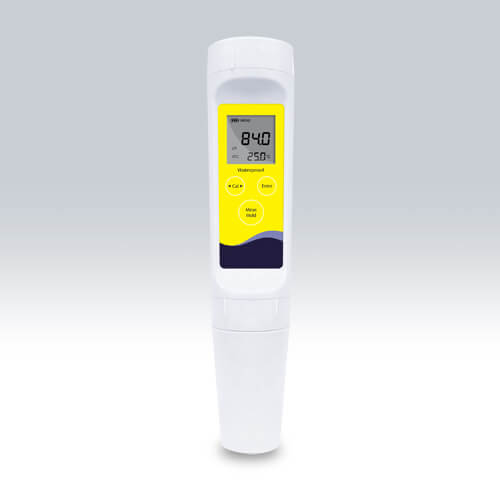
Interpreting Results and Measurement Readings with the YR01808 Conductivity Meter
The YR01808 Conductivity Meter is an essential tool for measuring the electrical conductivity of various solutions. Understanding how to interpret the readings provided by this device is crucial for obtaining accurate results in laboratory settings. This article delves into the principles of operation, measurement units, calibration techniques, and common misinterpretations associated with the YR01808.
Understanding Conductivity Measurements
Conductivity is a measure of the ability of a solution to conduct an electric current. It is affected by the presence of ions in the solution, making it a critical parameter in various applications such as water quality testing, chemical analysis, and food safety assessments. The YR01808 offers a range of measurements, allowing for readings from low to high conductivity levels.
The meter utilizes a platinum conductivity cell, which provides rapid and reliable results. The calibration process is essential for ensuring the accuracy of measurements, and the YR01808 supports 1 to 3 point calibration with automatic recognition of conductivity standards. Through proper calibration, users can enhance the accuracy of their readings, which is pivotal in achieving reliable outcomes.
Technical Specifications of the YR01808
| Specification | Value |
|---|---|
| Model | YR01808 |
| Conductivity Range | 0 to 20.00, 200.0, 2000 µS/cm, 20.00 mS/cm |
| Resolution | 0.01, 0.1, 1 |
| Accuracy | ±1% Full Scale |
| Calibration Points | 1 to 3 Points |
| Temperature Range | 0 to 60°C / 32 to 140°F |
| Battery Life | Approximately 200 Hours of Continuous Use |
Calibration Techniques for Accurate Measurements
To ensure accurate measurements, proper calibration of the YR01808 is imperative. The device allows for calibration using one to three points, which is beneficial for achieving precise and reliable results. During calibration, the user must select appropriate conductivity standards, such as 84 µS, 1413 µS, and 12.88 mS solutions.
The automatic temperature compensation feature of the YR01808 adjusts the conductivity readings based on the temperature of the solution being measured. This is particularly important since conductivity can vary significantly with temperature fluctuations. Users should ensure that the device is calibrated at the same temperature as the measurements to achieve optimal accuracy.
Interpreting the Display and Common Misinterpretations
The YR01808 features a dual-line LCD display that presents measurement readings clearly. Users must familiarize themselves with the display to avoid common misinterpretations. For instance, a sudden spike in conductivity might indicate contamination or improper calibration rather than an actual change in the solution’s ionic composition.
Moreover, understanding the measurement units is essential. Conductivity is typically measured in microSiemens per centimeter (µS/cm). Familiarity with normal ranges for specific applications can assist users in identifying outliers in their data. For example, potable water usually has a conductivity of less than 500 µS/cm, while industrial wastewater can have significantly higher levels.
Practical Applications and Use Cases
The YR01808 Conductivity Meter is employed across various sectors. In clinical laboratories, it is vital for assessing the quality of water used in experiments. In industrial contexts, it is utilized for monitoring the conductivity of cooling water to ensure efficient operation of machinery. Additionally, in food safety, the meter can be used to verify the quality of ingredients.
Each application has its specific protocols. For instance, in the food sector, regular calibration of the meter is essential to maintain compliance with health regulations. Understanding the appropriate use cases for the YR01808 ensures that it is operated effectively and efficiently across different environments.
FAQs about the YR01808 Conductivity Meter
What is the measurement range of the YR01808 Conductivity Meter?
The YR01808 can measure conductivity across a range of 0 to 20.00, 200.0, and 2000 µS/cm, extending to 20.00 mS/cm, making it suitable for various applications.
How do I calibrate the YR01808 for accurate readings?
Calibration can be performed using one to three points. Ensure to use standard calibration solutions and follow the device's calibration procedure to maintain accuracy.
What is the significance of temperature compensation in conductivity measurements?
Temperature compensation is crucial as it adjusts the conductivity readings based on the temperature of the solution, ensuring that measurements remain accurate despite temperature fluctuations.
How can I interpret high conductivity readings?
High conductivity readings may indicate a high concentration of ions, which could signal contamination or the presence of impurities in the solution.
What maintenance is required for the YR01808 Conductivity Meter?
Regular calibration, cleaning of the conductivity cell, and replacing the electrode module when necessary are key maintenance practices to ensure the longevity and reliability of the YR01808.
Can the YR01808 be used in industrial applications?
Yes, the YR01808 is versatile and can be effectively used in industrial applications, particularly for monitoring cooling water conductivity and ensuring operational efficiency.
What should I do if the YR01808 displays an error code?
If the device displays an error code, refer to the user manual to identify the error and follow the troubleshooting steps provided to resolve the issue.
If you are looking for a fusion of innovation and quality, you have come to the right place. At Kalstein, we offer you the luxury of exploring our exclusive catalog of laboratory equipment. We manufacture every device to the highest standards of excellence. Our intuitive and seamless online purchasing channels are designed for your convenience, securing the most competitive prices. Hesitate no longer — we bring science to life, it is time to become part of our community.