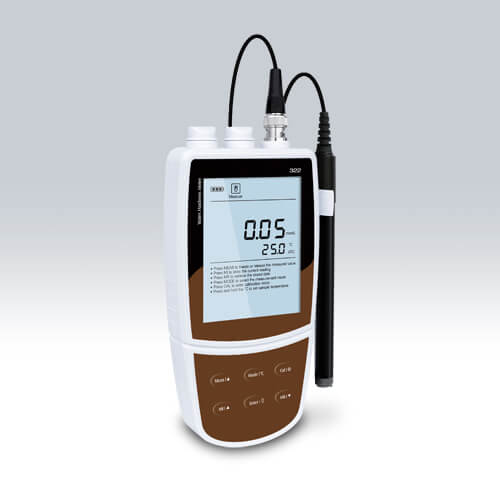
Interpreting Results and Reading Measurements with the YR01820-1 Portable Water Quality Meter
The YR01820-1 portable water quality meter is engineered for precision measurement of various parameters, including pH, ORP, ion concentration, conductivity, TDS, salinity, resistivity, and dissolved oxygen. Understanding how to interpret results and read measurements accurately is crucial for effective water quality assessment. This article will delve deeply into the methodologies for reading measurements, ensuring that operators can effectively utilize the YR01820-1 in practical scenarios.
Technical Data Table for YR01820-1
| Model | YR01820-1 |
|---|---|
| pH Range | -2.000 to 20.000 pH |
| Resolution | 0.001, 0.01, 0.1 pH, selectable |
| Accuracy | ±0.002 pH |
| Calibration Points | 1 to 5 points |
| ORP Range | ±1999.9 mV |
| Conductivity Range | 0.01 to 20.00, 200.0, 2000 µS/cm |
| Dissolved Oxygen Range | 0.00 to 20.00 mg/L |
| Temperature Range | 0 to 105°C / 32 to 221°F |
| Memory | Stores up to 500 data sets |
Understanding Measurement Parameters
The YR01820-1 measures various water quality parameters, each crucial for evaluating water conditions. Each measurement mode has specific units and expected ranges that operators must familiarize themselves with.
1. **pH Measurement**: pH is a measure of acidity or alkalinity. The YR01820-1 provides a range of -2.000 to 20.000 pH, which is useful for various applications. It is important to calibrate the meter correctly to ensure accuracy.
2. **ORP Measurement**: Oxidation-Reduction Potential (ORP) assesses the cleanliness of water and its ability to break down contaminants. The device measures ORP in mV, indicating the degree of oxidation or reduction reactions happening in the water.
3. **Conductivity, TDS, and Salinity**: Conductivity indicates the water's ability to conduct electricity, which is directly correlated to ion concentration. TDS (Total Dissolved Solids) is derived from conductivity readings, and salinity specifically measures the amount of salt in water.
4. **Dissolved Oxygen (DO)**: Critical for aquatic life, DO levels are measured in mg/L. Monitoring DO is essential in environmental studies and aquaculture.
Interpreting the Display Readings
The YR01820-1 features an LCD display that provides real-time measurements for each of its functions. Understanding how to interpret these readings is essential:
- **pH Readings**: The displayed value should be within the calibrated range. Values outside of this range indicate a need for recalibration or a potential issue with the sample being measured.
- **ORP Readings**: Positive values indicate oxidizing conditions, while negative values indicate reducing conditions. Operators should know the expected range for their specific applications.
- **Conductivity Readings**: High conductivity may indicate high levels of dissolved ions, while low readings suggest pure water. Operators should be aware of local water standards for comparison.
- **TDS Readings**: TDS values should be assessed against local regulations or quality standards. Understanding the conversion between conductivity and TDS is crucial.
- **DO Readings**: Measured in mg/L, these should align with environmental standards for aquatic life sustainability.
Common Misinterpretations and Solutions
Misinterpretations can lead to misguided conclusions. Here are common errors and how to address them:
| Measurement Type | Common Misinterpretation | Solution |
|---|---|---|
| pH | Reading indicates the sample is alkaline when it’s actually neutral. | Calibrate the meter before testing. |
| ORP | High ORP values are always positive. | Check the sample composition; it may be influenced by contaminants. |
| Conductivity | Assuming high conductivity is always detrimental. | Understand the source of conductivity; it may be due to beneficial ions. |
| DO | Reading is inconsistent with aquatic health. | Ensure the meter is calibrated for temperature and salinity. |
Operational Guidelines for Accurate Measurements
To achieve accurate measurements with the YR01820-1, follow these guidelines:
- **Calibration**: Regular calibration is critical. Follow the manufacturer’s guidelines for calibration intervals.
- **Sample Preparation**: Ensure samples are free from bubbles and contaminants. Use clean, dry containers for sample collection.
- **Environmental Conditions**: Measurements should be taken at stable temperatures and conditions. Avoid direct sunlight or vibrations during measurements.
- **Data Management**: Utilize the memory function for data storage. Regularly download and review data for trends and anomalies.
Sector-Specific Applications of YR01820-1
The YR01820-1 is versatile and can be applied across various sectors:
- **Clinical Labs**: Used for water quality assessments in laboratory settings, ensuring compliance with health standards.
- **Industrial Applications**: Monitors water quality in manufacturing processes, ensuring optimal conditions for production.
- **Environmental Studies**: Essential for aquatic research, ensuring water bodies maintain ecological balance.
- **Food and Beverage Industry**: Ensures quality control in water used for food production, maintaining health standards.
- **Educational Purposes**: Used in academic settings for teaching water quality assessment techniques.
Frequently Asked Questions
What is the calibration procedure for the YR01820-1?
The calibration procedure involves using standard buffer solutions to set the meter’s reference points. It is recommended to calibrate before each batch of measurements to ensure accuracy.
How do I interpret the TDS readings from the YR01820-1?
TDS readings indicate the total amount of dissolved solids in water, measured in ppm. Comparing these values against established local or national standards is crucial for interpretation.
Can the YR01820-1 be used for field measurements?
Yes, the YR01820-1 is designed to be portable and can be used for field measurements, making it ideal for environmental monitoring and research.
What maintenance is required for the YR01820-1?
Regular maintenance includes cleaning the electrodes, updating firmware if necessary, and performing routine calibrations to ensure consistent performance.
What types of electrodes are compatible with the YR01820-1?
The YR01820-1 is compatible with various electrodes, including pH electrodes, conductivity probes, and dissolved oxygen sensors, each designed for specific measurement types.
What should I do if the YR01820-1 displays an error code?
Refer to the user manual for troubleshooting steps specific to the displayed error code. Common solutions may include recalibrating the device or checking electrode connections.
How can I request a quote for the YR01820-1?
You can request a quote for the YR01820-1 by contacting our sales team or by using our online quote request form available on our platform.
If you are looking for a fusion of innovation and quality, you have come to the right place. At Kalstein, we offer you the luxury of exploring our exclusive catalog of laboratory equipment. We manufacture every device to the highest standards of excellence. Our intuitive and seamless online purchasing channels are designed for your convenience, securing the most competitive prices. Hesitate no longer — we bring science to life, it is time to become part of our community.