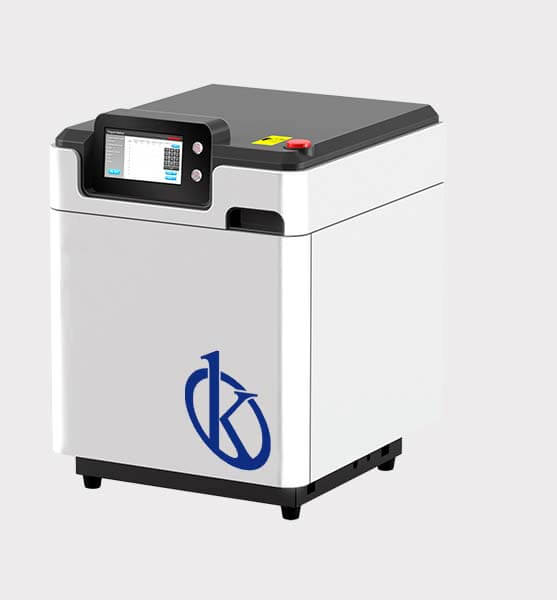
Interpreting Results and Reading Measurements with the YR04955 Microwave Digestion System
The YR04955 Microwave Digestion System is an advanced piece of laboratory equipment designed for efficient sample preparation through microwave digestion. This article will focus on the interpretation of results and reading measurements obtained from the YR04955, providing practical insights for operators to achieve accurate and reliable data.
Understanding Microwave Digestion and Its Impact on Measurement Results
Microwave digestion is a widely used technique in analytical chemistry, particularly for preparing samples prior to analysis using methods like ICP (Inductively Coupled Plasma) or AAS (Atomic Absorption Spectroscopy). The YR04955 utilizes controlled microwave energy to rapidly heat samples, resulting in the breakdown of complex matrices. Understanding the principles of microwave digestion is crucial for interpreting measurement results accurately.
The high temperatures and pressures involved in the digestion process can affect the composition of the sample. Thus, it is essential to apply correct methodologies while interpreting the analytical data. Operators should consider variables such as microwave power, digestion time, and pressure settings for obtaining optimal results.
Technical Specifications of the YR04955
| Specification | Details |
|---|---|
| Model | YR04955 |
| Temperature Monitoring System | Infrared non-contact sensor monitoring |
| Pressure Monitoring System | Non-contact pressure sensor monitoring |
| Control Temperature Range | 50~400℃ |
| Control Pressure Range | 0~15MPa |
| Container Volume | 100ml |
| Microwave Power | 0-1000W (adjustable) |
| Weight | 47KG |
| Dimensions | 490 × 560 × 630 mm |
Interpreting Measurement Readings from the YR04955
Reading measurement results from the YR04955 involves understanding the units and the expected range of values. Typically, results can be expressed in parts per million (ppm), concentration values, or other relevant metrics based on the analysis method used post-digestion.
Operators should be aware of the normal ranges for the specific elements or compounds being analyzed as it helps in assessing whether the results are within acceptable limits. For instance, if analyzing for heavy metals, understanding low, medium, and high concentration thresholds is essential.
Common Misinterpretations of Results
Misinterpretations can lead to erroneous conclusions about sample quality or safety. One common issue is overconfidence in measurement precision, leading to neglecting error margins. Data should always be presented considering possible error bars.
Additionally, it is essential to cross-reference results with historical data or standardized values to validate findings. Misinterpretations can also arise from improper calibration of the measuring instruments used post-digestion.
Best Practices for Reading Results
To ensure accurate interpretation of results from the YR04955, operators should follow these best practices:
- Regularly calibrate analytical instruments used for post-digestion measurements.
- Maintain a consistent method for sample preparation to reduce variability.
- Document all variables during the digestion process, including temperature and pressure settings.
- Use quality control samples to compare results and verify accuracy.
Frequently Asked Questions
How can I ensure accurate measurements using the YR04955?
To ensure accurate measurements with the YR04955, maintain regular calibration of your analytical equipment, utilize standardized procedures for sample preparations, and document all digestion parameters meticulously.
What are the common sources of error in measurements from the YR04955?
Common sources of error can include improper calibration of measuring instruments, neglecting to consider error margins, and variations in sample preparation methods that affect digestion efficiency.
How do I interpret results that are outside the expected range?
Results outside the expected range should be interpreted with caution. Investigate potential causes such as sample contamination, errors in the digestion process, or instrument calibration issues. Comparing with historical data can provide additional context.
What units are typically used in results from the YR04955?
Typically, results are expressed in parts per million (ppm), concentration values (mg/L), or as percentages depending on the type of analysis conducted post-digestion.
How can I avoid misinterpretations of results from the YR04955?
To avoid misinterpretations, always consider error margins, cross-check results with established standards, and ensure that your analytical methods are validated and reproducible.
What maintenance is required for the YR04955 to ensure consistent results?
Regularly scheduled maintenance should include cleaning the microwave chamber, checking seals and gaskets for integrity, and calibrating temperature and pressure sensors to ensure consistent performance.
Where can I request a quote for the YR04955 Microwave Digestion System?
You can request a quote for the YR04955 Microwave Digestion System through Kalstein’s dedicated channels for pricing and availability.
If you are looking for a fusion of innovation and quality, you have come to the right place. At Kalstein, we offer you the luxury of exploring our exclusive catalog of laboratory equipment. We manufacture every device to the highest standards of excellence. Our intuitive and seamless online purchasing channels are designed for your convenience, securing the most competitive prices. Hesitate no longer — we bring science to life, it is time to become part of our community.