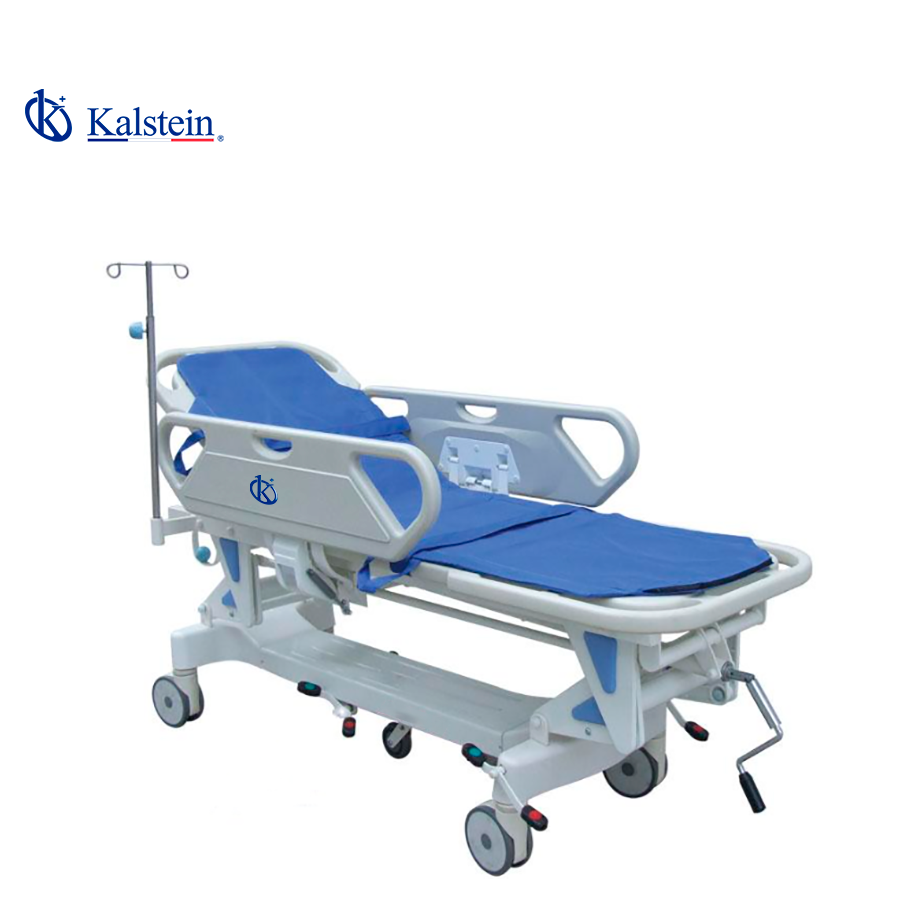
Interpreting Measurements and Results with the YR06287 Manual ABS Two Function Transfer Stretcher
The YR06287 Manual ABS Two Function Transfer Stretcher is designed for effective patient transport in medical settings. This article will focus on the interpretation of measurements and results derived from the use of this stretcher, ensuring that operators can maximize the efficiency and safety of their practices.
Technical Specifications of YR06287
| Specification | Details |
|---|---|
| Model | YR06287 |
| Size (L*W*H) | 1930*640*500/900 mm |
| Post Materials | Stainless Steel |
| Platform Materials | Technical PP |
| ABS Crank Height Range | 540 to 840 mm |
| Max Backrest Angle | 75° |
| Height Adjustment | 540-840 mm |
Understanding the Functionality of YR06287
The YR06287 is equipped with features tailored for patient safety and comfort during transfer. Its adjustable height and backrest angle allow operators to accommodate various patient needs. Understanding how these adjustments impact patient positioning is vital for ensuring effective transport.
Height Adjustment and Its Impact
The height adjustment feature ranges from 540 mm to 840 mm, which is crucial for aligning with other medical equipment such as beds or examination tables. Proper height alignment minimizes strain on medical personnel and enhances patient safety.
Backrest Angle and Patient Comfort
The backrest can be adjusted up to 75 degrees. This angle is particularly important when transporting patients with specific medical conditions that require head elevation, ensuring comfort and reducing the risk of further complications.
Interpreting Measurements During Use
Operators must accurately interpret the measurements displayed on the stretcher. Understanding how to read and apply these measurements directly influences patient outcomes.
Reading Height Measurements
Operators should familiarize themselves with the height indicators on the stretcher. These readings are crucial during patient transfer, ensuring they align correctly with other medical apparatuses.
Evaluating Backrest Position
Monitoring the backrest's angle during use is essential, particularly for patients with respiratory issues, as an improper angle may hinder airflow and lead to distress.
Common Misinterpretations and Solutions
Misinterpreting measurements on the YR06287 can lead to operational inefficiencies and potential patient harm. Below are common misinterpretations and their solutions:
| Misinterpretation | Potential Consequence | Solution |
|---|---|---|
| Incorrect height setting | Injury to staff or patient | Double-check alignment with adjacent equipment |
| Misreading backrest angle | Patient discomfort or complications | Use guidelines for proper angle settings based on patient condition |
Protocol for Patient Transfer using YR06287
Establishing a standardized protocol for using the YR06287 ensures consistent and safe patient transfers. Operators should follow these steps:
- Ensure the stretcher is properly assembled and stable.
- Adjust the height to match the receiving surface.
- Test the backrest angle based on the patient's medical requirements.
- Secure the patient safely using safety straps.
- Communicate with team members to coordinate the movement.
Best Practices for Maintenance and Calibration
Regular maintenance and calibration of the YR06287 are vital for ensuring accuracy in measurements. Operators should adhere to the following best practices:
- Inspect the stretcher before each use for any signs of wear or damage.
- Calibrate height and angle indicators monthly to ensure accuracy.
- Clean the stretcher regularly to maintain hygiene standards.
Frequently Asked Questions
How can I ensure the YR06287 is safe for patient transport?
To ensure the safety of the YR06287 for patient transport, conduct pre-use inspections, ensure all adjustments are secure, and verify that the safety straps are functioning correctly.
What is the maximum weight capacity for the YR06287?
The YR06287 has a weight capacity that should be verified with the manufacturer’s specifications or user manual to ensure safe operation.
How do I perform routine maintenance on the YR06287 stretcher?
Routine maintenance should include checking for any loose parts, ensuring mechanisms operate smoothly, and cleaning the stretcher according to hygiene protocols.
What are the common error codes for the YR06287 and their meanings?
Common error codes can be found in the user manual, detailing issues such as height adjustment failures or mechanical malfunctions, and should be addressed immediately.
Can the YR06287 be used for pediatric patients?
Yes, the YR06287 can be adjusted to accommodate pediatric patients, but careful attention must be given to securing them safely during transport.
What training is necessary for staff operating the YR06287?
Staff should receive training on how to properly adjust the stretcher, safely transfer patients, and conduct maintenance checks to ensure safe operations.
Where can I request a quote for the YR06287?
For quotes on the YR06287 and other medical equipment, please reach out through our official channels.
If you are looking for a fusion of innovation and quality, you have come to the right place. At Kalstein, we offer you the luxury of exploring our exclusive catalog of laboratory equipment. We manufacture every device to the highest standards of excellence. Our intuitive and seamless online purchasing channels are designed for your convenience, securing the most competitive prices. Hesitate no longer — we bring science to life, it is time to become part of our community.