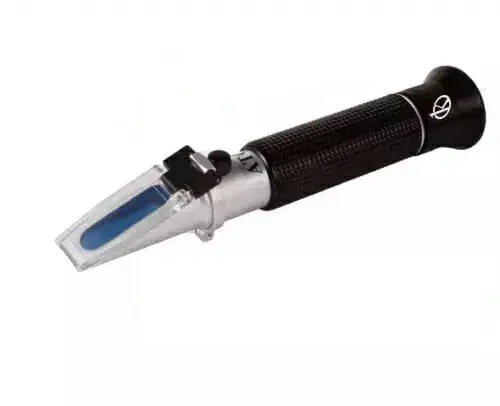
How to Ensure ISO/IEC Compliance in Brix Refractometers for Laboratory Use
Brix refractometers are essential tools in laboratories, particularly for industries like winemaking, food processing, and agriculture. Compliance with ISO/IEC standards is critical for ensuring quality, safety, and reliability in laboratory measurements. This article examines how laboratories can ensure compliance with ISO/IEC regulations while selecting and using Brix refractometers.
Understanding ISO/IEC Standards Relevant to Brix Refractometers
ISO/IEC standards provide frameworks and requirements for various laboratory practices. Key standards relevant to Brix refractometers include:
- ISO 17025: This standard specifies the general requirements for the competence of testing and calibration laboratories. It emphasizes the importance of method validation and traceability.
- ISO 15189: This standard specifically addresses the requirements for quality and competence in medical laboratories, including testing methodologies.
- IEC 61010: This standard relates to the safety requirements for electrical equipment used in measurement, control, and laboratory processes.
Comparison of Available Models
| Model | ISO/IEC Clauses Covered | Traceability Features | Best For |
|---|---|---|---|
| YR05872 | ISO 17025 | Built-in calibration standards | Fruits and vegetables testing |
| YR05873 | ISO 17025 | Traceable to national standards | Brewing applications |
| YR05874 | ISO 17025, ISO 15189 | Periodic calibration records | Food industry applications |
| YR05875 | ISO 17025 | Integrated traceability log | Liquid sugar testing |
| YR05876 | IEC 61010 | Safety marked calibration | High-sugar beverages |
| YR05877 | ISO 17025 | Calibration certificates available | General lab use |
Key Compliance Considerations for Selecting Brix Refractometers
When selecting a Brix refractometer, laboratories must consider several compliance factors:
- Method Validation: Each model must undergo method validation according to ISO 17025 standards. This ensures that the results produced are accurate and reliable.
- Calibration: Regular calibration is vital for maintaining compliance. Models like YR05873 and YR05874 offer traceable calibration that aligns with ISO requirements.
- Documentation: Keeping thorough records of calibration, maintenance, and usage is crucial for compliance and for facilitating audits.
How Brix Refractometers Assist in Regulatory Compliance
Brix refractometers play a significant role in achieving compliance with regulatory requirements:
- Quality Control: Regular use of these instruments helps in monitoring sugar levels, essential for quality control in food and beverage production.
- Traceability: Many models include built-in features to ensure results can be traced back to specific calibration standards, fulfilling regulatory expectations.
- Data Logging: Advanced models may offer data logging features that help maintain accurate records required by regulatory bodies.
Common Mistakes and How to Avoid Them
While working with Brix refractometers, laboratories may encounter various pitfalls:
- Neglecting Calibration: Failing to regularly calibrate the instruments can lead to inaccurate results. Laboratories should implement a strict calibration schedule.
- Inadequate Training: Personnel must be properly trained on how to use refractometers and interpret results for compliance. Regular training sessions help mitigate this risk.
- Ignoring Documentation: Lack of proper documentation can lead to non-compliance during audits. Establishing a detailed logging system for calibration and usage is essential.
Best Practices for ISO/IEC Compliance in Brix Refractometers
To ensure compliance with ISO/IEC standards, consider the following best practices:
- Regular Training: Conduct training programs for staff on compliance requirements and proper usage of Brix refractometers.
- Implement Standard Operating Procedures (SOPs): SOPs should be developed for the operation, calibration, and maintenance of refractometers.
- Audit Preparation: Regular internal audits can help identify potential compliance issues before the official audits occur.
Frequently Asked Questions
How can I ensure my Brix refractometer meets ISO 17025 requirements?
To ensure your Brix refractometer, such as the YR05874, meets ISO 17025 requirements, it should undergo regular calibration and validation. Keep detailed records of these processes as part of your quality management system.
Which Brix refractometer is best for compliance with IEC 61010 safety standards?
The YR05876 model is designed to comply with IEC 61010 safety standards. It includes built-in safety features ensuring it aligns with regulatory safety requirements for laboratory equipment.
What documentation is essential for Brix refractometers in laboratories?
Essential documentation includes calibration certificates, maintenance logs, and training records for personnel using Brix refractometers like the YR05875. This documentation is vital for demonstrating compliance during audits.
How often should Brix refractometers be calibrated for compliance?
Brix refractometers should ideally be calibrated at least every six months to ensure compliance with ISO/IEC standards, although more frequent calibration may be necessary based on usage, especially for models like YR05873.
What are the key features to look for in a compliant Brix refractometer model?
Look for models that offer traceable calibration, safety certifications, and built-in validation features, such as those found in the YR05872 and YR05874 models, to ensure compliance with relevant standards.
How does regular training impact the compliance of Brix refractometers?
Regular training ensures that laboratory personnel correctly operate and maintain Brix refractometers, such as the YR05877, thus minimizing errors and enhancing compliance with ISO/IEC standards.
What role does traceability play in Brix refractometer compliance?
Traceability ensures that measurement results can be linked to recognized standards, which is crucial for compliance with ISO 17025. Models like the YR05874 facilitate this through built-in traceability features.
Why is it important to document calibration and maintenance for Brix refractometers?
Documentation of calibration and maintenance activities is critical to demonstrate compliance with ISO/IEC standards. This is particularly important during audits, where verification of these records reinforces quality management practices.
If you are looking for a fusion of innovation and quality, you have come to the right place. At Kalstein, we offer you the luxury of exploring our exclusive catalog of laboratory equipment. We manufacture every device to the highest standards of excellence. Our intuitive and seamless online purchasing channels are designed for your convenience, securing the most competitive prices. Hesitate no longer — we bring science to life, it is time to become part of our community.