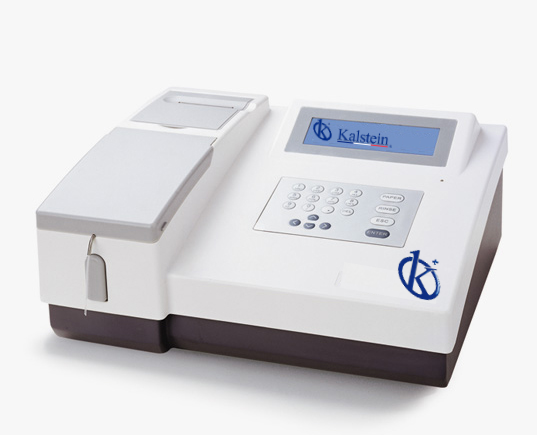
How to Ensure ISO/IEC Compliance with Chemical Analyzers
Laboratories seeking to maintain high standards of quality and reliability must adhere to ISO/IEC regulations. These standards not only guarantee the accuracy of test results but also ensure effective laboratory management, fostering trust among clients and stakeholders. In this article, we will explore how chemical analyzers can be pivotal in achieving compliance with ISO/IEC norms, particularly ISO 17025 and IEC 61010.
Understanding ISO/IEC Regulations in Laboratory Settings
ISO/IEC standards set forth requirements for the competence of testing and calibration laboratories. ISO 17025, for example, specifies the criteria for a laboratory's quality management system, technical competence, and ability to produce valid and reliable results. By implementing ISO standards, laboratories can enhance their operational efficiency and credibility.
IEC 61010 focuses on the safety requirements for electrical equipment used in measurement, control, and laboratory settings. Understanding these standards ensures that chemical analyzers are safe to operate and produce accurate results while minimizing any risks to laboratory personnel.
Key ISO/IEC Standards Relevant to Chemical Analyzers
ISO 17025
ISO 17025 is crucial as it lays down the general requirements for the competence of testing and calibration laboratories. It covers aspects such as management, technical competence, and the reliability of results. Compliance helps laboratories ensure that their chemical analyzers consistently provide valid results under defined conditions.
IEC 61010
IEC 61010 specifies the safety requirements for electrical equipment used in laboratory environments. This standard addresses essential safety aspects necessary for operating chemical analyzers, ensuring user protection and equipment reliability.
How Chemical Analyzers Support Compliance with ISO/IEC Norms
Different models of chemical analyzers come equipped with features designed to support compliance with ISO standards. For instance, models like the Semi-automatic Chemistry Analyzer YR05115 and the Automatic Chemistry Analyzer YR06075 offer advanced calibration functions that align with ISO 17025 requirements, enabling accurate and repeatable measurements.
Moreover, proper documentation and record-keeping are essential components of ISO compliance. Many chemical analyzers, including the Portable Chemical Analyzer YR06092, feature built-in data management systems that facilitate traceability of results and adherence to regulatory requirements, thus simplifying audit processes.
Comparison of Available Models
| Model | ISO/IEC Clauses Covered | Traceability Features | Best For |
|---|---|---|---|
| YR05115 | ISO 17025 | Real-time curve visualization | Routine chemical analysis |
| YR05114 | ISO 17025 | Memory for 10,000 results | Clinical laboratories |
| YR06092 | IEC 61010 | Digital LCD for temperature monitoring | Field testing |
| YR06075 | ISO 17025 | 10-step automatic washing system | High-volume labs |
| YR05116 | ISO 17025 | Windows operating system | Research applications |
| YR06078 | IEC 61010 | RS-232, USB, LAN interfaces | Versatile laboratory setups |
Common Mistakes and How to Avoid Them
One common mistake is failing to regularly calibrate chemical analyzers according to ISO 17025 requirements, which can lead to unreliable results. Laboratories should establish a routine calibration schedule and utilize models that feature automated calibration checks, such as the Automatic Chemistry Analyzer YR06075.
Another error is inadequate documentation of testing procedures and results. Implementing a laboratory management system that integrates with chemical analyzers can help maintain comprehensive records, thus supporting compliance without extensive manual effort.
Best Practices for Achieving Compliance
To ensure compliance with ISO/IEC standards, laboratories should regularly conduct internal audits and training sessions for staff. Familiarity with standards like ISO 17025 and IEC 61010 enhances the understanding of compliance requirements and promotes a culture of quality within the laboratory.
Investing in chemical analyzers with advanced features, such as the Semi-automatic Chemistry Analyzer YR05116, can further streamline compliance processes by offering built-in documentation and performance tracking.
Frequently Asked Questions
How can chemical analyzers help meet ISO 17025 requirements?
Chemical analyzers like the Semi-automatic Chemistry Analyzer YR05115 aid in meeting ISO 17025 requirements through features such as real-time data visualization and robust documentation practices, ensuring accurate and traceable results.
Which IEC standard is essential for laboratory safety with analyzers?
IEC 61010 is essential for laboratory safety, as it outlines the safety requirements for electrical equipment, including chemical analyzers, ensuring protection for users and reliable performance.
What features should I look for in compliant chemical analyzers?
Look for features like automated calibration, data management capabilities, and compliance documentation in chemical analyzers, such as those in the YR series, to support ISO/IEC requirements effectively.
How important is regular calibration for compliance?
Regular calibration is critical for compliance with ISO 17025, as it ensures the accuracy and reliability of results produced by chemical analyzers, helping maintain laboratory accreditation.
What documentation is required for ISO compliance in laboratories?
Documentation required for ISO compliance includes quality management system records, calibration logs, test reports, and training records, which help demonstrate adherence to standards like ISO 17025.
How can I ensure my lab's chemical analyzers are safe?
Ensuring safety in your lab's chemical analyzers involves adhering to IEC 61010 standards, which govern the safety requirements for electrical equipment, thus minimizing risks to users.
What are the benefits of using compliant chemical analyzers?
Using compliant chemical analyzers enhances laboratory credibility, ensures accurate results, reduces risks of non-compliance penalties, and improves overall operational efficiency, supporting standards like ISO 17025.
How do I choose a chemical analyzer for my laboratory needs?
Choosing a chemical analyzer involves evaluating features such as compliance with ISO/IEC standards, technical specifications, throughput capacity, and compatibility with your laboratory's specific testing requirements.
If you are looking for a fusion of innovation and quality, you have come to the right place. At Kalstein, we offer you the luxury of exploring our exclusive catalog of laboratory equipment. We manufacture every device to the highest standards of excellence. Our intuitive and seamless online purchasing channels are designed for your convenience, securing the most competitive prices. Hesitate no longer — we bring science to life, it is time to become part of our community.