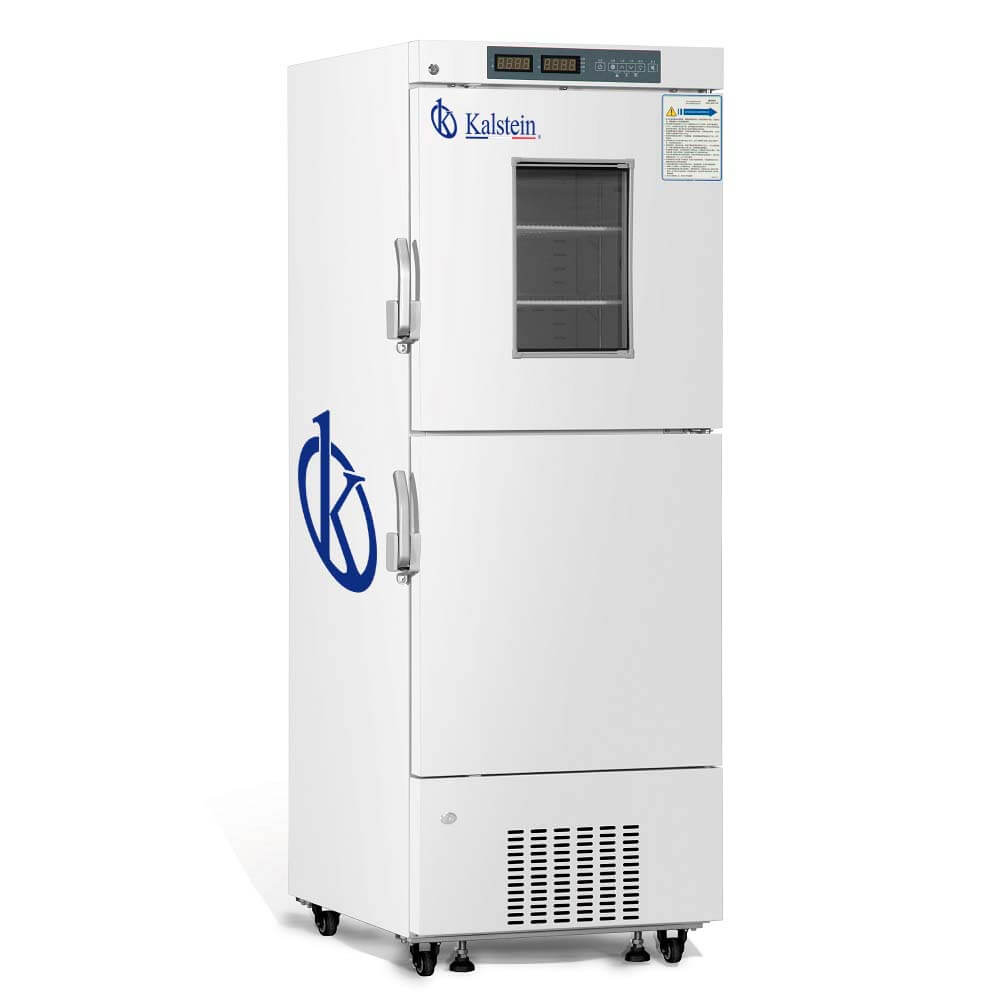
How to Ensure ISO/IEC Compliance in Combined Freezers for Laboratories
In a laboratory setting, maintaining compliance with ISO/IEC standards is paramount, especially when it comes to the proper storage of temperature-sensitive materials. Combined freezers, which facilitate the storage of a range of biological specimens, must meet stringent regulatory requirements to ensure the safety and efficacy of their contents. This article delves into the essential ISO/IEC standards relevant to combined freezers, analyzes various models available on the market, and provides practical guidance for optimizing laboratory operations.
ISO/IEC Standards and Regulatory Compliance in Laboratory Freezers
ISO/IEC standards provide a framework for ensuring quality and reliability in laboratory equipment. Among the most notable standards affecting combined freezers are ISO 17025, which pertains to testing and calibration laboratories, and ISO 15189, specifically for medical laboratories. Compliance with these standards ensures that laboratories can produce accurate and reliable results.
In addition, IEC 61010 outlines safety requirements for electrical equipment used in measurement, control, and laboratory environments. Understanding these standards is crucial for laboratories aiming to minimize risks associated with equipment failure and to ensure that their operations meet international benchmarks.
Key ISO/IEC Standards Relevant to Combined Freezers
Below is an overview of key ISO/IEC standards relevant to combined freezers, detailing how these regulations impact lab operations:
- ISO 17025: This standard covers the requirements for the competence of testing and calibration laboratories. It mandates rigorous testing protocols and documentation practices to ensure traceability and reliability.
- ISO 15189: Focused on medical laboratories, this standard emphasizes the need for quality management and continual improvement processes, crucial for labs handling medical samples.
- IEC 61010: Details safety requirements for electrical equipment, ensuring that combined freezers are designed to minimize risks to personnel and the environment.
Analysis of Available Combined Freezer Models
When selecting a combined freezer for laboratory use, it is essential to assess how each model aligns with ISO/IEC compliance requirements. Below, we discuss three models that exemplify compliance with these standards:
Comparison of Available Models
| Model | ISO/IEC Clauses Covered | Traceability Features | Best For |
|---|---|---|---|
| YR05320 | ISO 17025, IEC 61010 | Digital display for temperature monitoring | Pharmaceutical storage and biological samples |
| YR05321 | ISO 15189, IEC 61010 | Independent temperature control for each chamber | Blood banks and clinical laboratories |
| YR05321-1 | ISO 17025, ISO 15189 | Data logger for temperature tracking | Research laboratories and medical facilities |
Common Mistakes and How to Avoid Them
Laboratories often face challenges in maintaining compliance with ISO/IEC standards when using combined freezers. Here are some common mistakes and strategies to avoid them:
- Neglecting Regular Calibration: Ensure that the temperature sensors in your combined freezers are calibrated regularly to meet ISO 17025 standards. This prevents inaccuracies in temperature readings.
- Lack of Documentation: Maintain comprehensive documentation of all processes and protocols, as required by ISO 15189. This includes records of temperature logs and maintenance activities.
- Inadequate Training: Provide training for staff on compliance requirements and the proper handling of specimens to reduce risks and ensure safety in laboratory operations.
Cost-Benefit Analysis for Combined Freezers
Understanding the financial implications of acquiring a combined freezer is crucial for laboratories. A detailed cost-benefit analysis can help in decision-making:
| Model | CAPEX (USD) | OPEX (Annual Costs) | Payback Period (Months) |
|---|---|---|---|
| YR05320 | 1415.00 | 500.00 | 12 |
| YR05321 | 1060.00 | 450.00 | 10 |
| YR05321-1 | 745.00 | 400.00 | 8 |
Optimizing Energy Efficiency in Laboratory Freezers
Energy efficiency is a growing concern for laboratories, particularly regarding regulatory compliance and sustainability. The following strategies can be employed to reduce energy consumption:
- Regular Maintenance: Ensure that the combined freezers are regularly maintained to operate at optimal efficiency, which includes checking seals and cleaning coils.
- Temperature Settings: Set the combined freezers to the minimum necessary temperature for storing specific materials, to reduce energy usage while maintaining compliance with storage requirements.
- Smart Technology: Consider models like the YR05321 that offer advanced temperature control systems to improve energy efficiency and monitoring capabilities.
Frequently Asked Questions
How can I ensure my laboratory freezer meets ISO 17025 compliance?
To ensure ISO 17025 compliance, choose the YR05320 model which features a digital display for continuous temperature monitoring while keeping comprehensive records of calibration and maintenance.
What are the best practices for maintaining combined freezers in compliance with IEC standards?
Utilize the YR05321 model with independent temperature controls to adhere to IEC standards, ensuring each compartment is regularly monitored and documented to meet safety regulations.
Which combined freezer is suitable for blood bank applications and ISO 15189 compliance?
The YR05321 is recommended for blood banks as it provides independent temperature controls and meets ISO 15189 compliance requirements, ensuring safe storage of blood products.
What documentation do I need to maintain for my laboratory freezers?
Documentation requirements typically include temperature logs, calibration records, and maintenance schedules, especially for models like the YR05320, which must adhere to ISO 17025 standards.
How often should I calibrate my combined freezer for regulatory compliance?
Calibration should occur at least annually or more frequently if required by specific regulations. Models like the YR05321 come equipped with features that facilitate easier calibration checks.
What energy-saving features should I look for in a laboratory freezer?
Look for models like the YR05321-1 that offer energy-efficient cooling systems and digital monitoring capabilities to help reduce overall energy consumption while maintaining compliance.
How much does a compliant combined freezer cost for laboratories?
The cost varies by model, with the YR05320 priced at $1415.00 and the YR05321-1 at $745.00, each designed to meet specific laboratory requirements while ensuring compliance with ISO/IEC standards.
What are the regulations concerning the installation of combined freezers in laboratories?
Regulations typically require proper installation to align with IEC 61010 standards, ensuring that models like the YR05321 are set up in a way that minimizes hazards and meets operational requirements.
If you are looking for a fusion of innovation and quality, you have come to the right place. At Kalstein, we offer you the luxury of exploring our exclusive catalog of laboratory equipment. We manufacture every device to the highest standards of excellence. Our intuitive and seamless online purchasing channels are designed for your convenience, securing the most competitive prices. Hesitate no longer — we bring science to life, it is time to become part of our community.