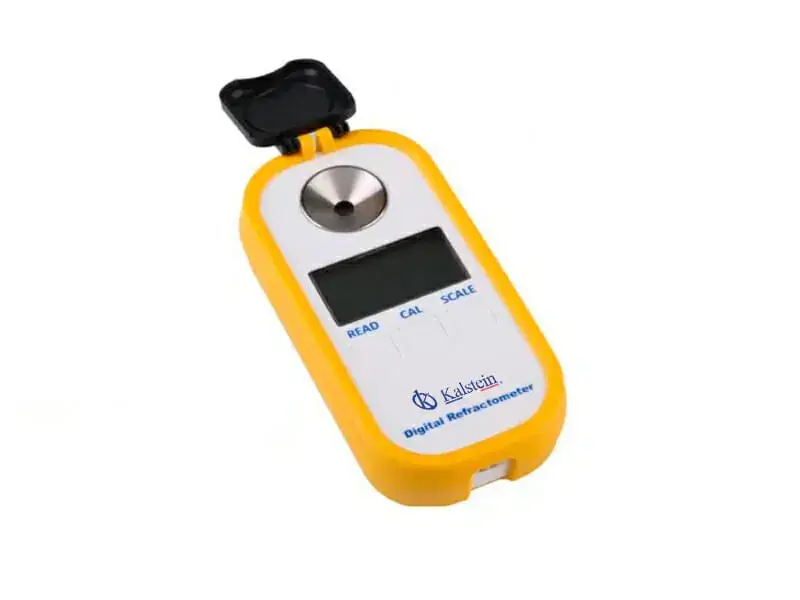
Navigating ISO/IEC Compliance with Digital BRIX Refractometers
In laboratories, especially those dealing with food and beverage products, maintaining compliance with ISO/IEC standards is paramount. Digital BRIX Refractometers play a crucial role in measuring the concentration of soluble solids in liquids, which aids in adherence to these regulatory standards. This article explores various models of digital BRIX refractometers, focusing on how they help laboratories meet ISO/IEC compliance, particularly in the context of their specific features and capabilities.
Understanding ISO/IEC Standards and Their Importance in Laboratories
ISO/IEC standards set the foundational requirements for laboratories to ensure quality, reliability, and safety. Key standards such as ISO 17025 and ISO 15189 lay out the criteria for laboratory competence and quality management systems. This compliance not only assures customers of the accuracy of test results but also facilitates international trade. By implementing standardized operating procedures, laboratories can enhance the efficiency and reliability of their operations.
How Digital BRIX Refractometers Aid in Compliance
Digital BRIX refractometers like the models YR05944, YR05945, and others help laboratories comply with ISO/IEC standards primarily by providing precise measurements of liquid concentrations. These devices feature automatic temperature compensation (ATC), ensuring accurate readings between temperatures of 0 and 40°C, which is crucial for compliance with various regulatory requirements. Their ability to measure Brix levels accurately means that laboratories can ensure their products maintain the required quality standards set by regulatory bodies.
Key ISO/IEC Standards Relevant to Digital BRIX Refractometers
Several ISO/IEC standards are relevant when discussing the compliance of digital BRIX refractometers in a laboratory setting:
- ISO 17025: This standard focuses on the competence of testing and calibration laboratories, requiring them to have quality management systems in place.
- ISO 15189: Pertains to medical laboratories, focusing on the quality and competence of laboratory services.
- IEC 61010: This standard relates to the safety requirements for electrical equipment used in measurement, control, and laboratory use, ensuring safety protocols are followed.
Comparison of Available Models
| Model | Brix Measurement Range | Precision | ATC | Best for |
|---|---|---|---|---|
| YR05944 | 0.0-50.0% | ±0.2% | Yes | Juice and syrup measurement |
| YR05945 | 0.0-90.0% | ±0.2% | Yes | Broader applications in beverage industry |
| YR05946 | 1.3330-1.5177 nD | ±0.0003nD | Yes | Precise refractive index measurements |
| YR05947 | 0.0-10.6% (Dextran) | ±0.2% | Yes | Specialty applications |
| YR05948 | 0.0-68.9% (Fructose) | ±0.2% | Yes | Fruit juice analysis |
| YR05949 | 0.0-59.9% (Glucose) | ±0.2% | Yes | Glucose concentration in beverages |
Common Mistakes and How to Avoid Them
Laboratories often face challenges in maintaining compliance due to common mistakes. Here are a few to watch out for:
- Neglecting Calibration: Regular calibration of refractometers is essential for accuracy. Ensure a schedule is maintained.
- Improper Training: Operators must be trained in both the use of the refractometer and the relevant ISO/IEC standards.
- Ignoring Documentation: Keeping thorough records of measurements and calibrations is vital for compliance. Utilize software or systems to manage this data efficiently.
Regulatory Compliance through Traceability
Traceability in laboratory results is fundamental for compliance. Each digital BRIX refractometer model supports traceability through their precise measurements, ensuring that results can be traced back to defined standards. For example, the YR05945 provides a Brix measurement range of 0.0-90.0%, offering reliable data for compliance audits.
Benefits of Digital BRIX Refractometers in a Compliance Context
Using digital BRIX refractometers provides several benefits in maintaining compliance with ISO/IEC standards:
- Accuracy: High precision measurements prevent errors in compliance reporting.
- Efficiency: Quick readings and data output improve laboratory throughput.
- Cost-Effectiveness: Reduces the cost per test, enhancing budget management without compromising quality.
Frequently Asked Questions
How do digital BRIX refractometers help meet ISO/IEC compliance in laboratories?
Digital BRIX refractometers like the YR05944 and YR05945 provide precise Brix measurements that are essential for ensuring product quality and compliance with ISO/IEC standards. Their automatic temperature compensation feature ensures accuracy across various temperatures, further supporting regulatory adherence.
What is the role of traceability in ISO/IEC standards for digital BRIX refractometers?
Traceability in ISO/IEC standards ensures that laboratory results are verifiable against recognized standards. Models such as YR05946 support this by providing reliable measurements that can be traced back to specific calibration standards, thereby reinforcing compliance.
Which model of digital BRIX refractometer is best for beverage applications?
The YR05945 is highly suitable for beverage applications as it offers a wide measurement range of 0.0-90.0%. This versatility makes it effective for various products, enabling compliance with industry standards.
How often should digital BRIX refractometers be calibrated for compliance?
Calibration frequency for digital BRIX refractometers should be determined based on usage and manufacturer recommendations. Regular checks at least every six months are advisable to ensure accuracy and compliance with ISO 17025.
What are the key benefits of using digital BRIX refractometers in laboratories?
Digital BRIX refractometers provide accurate measurements, enhance efficiency, and reduce costs per test. Models like YR05944 facilitate compliance with ISO/IEC standards by ensuring reliable and precise data outputs.
How can laboratories ensure proper training on digital BRIX refractometers?
Laboratories can ensure proper training by implementing comprehensive training programs that cover both operational aspects and the relevant ISO/IEC standards. Regular workshops can further enhance understanding and compliance.
What documentation is necessary for ISO/IEC compliance with digital BRIX refractometers?
Documentation should include calibration logs, measurement records, and compliance checklists. This information is critical for audits and ensuring adherence to standards like ISO 17025.
How do digital BRIX refractometers impact laboratory efficiency?
Digital BRIX refractometers significantly impact laboratory efficiency by providing quick measurements that speed up testing processes. Models such as YR05949 allow for rapid analysis, facilitating productivity in compliance environments.
If you are looking for a fusion of innovation and quality, you have come to the right place. At Kalstein, we offer you the luxury of exploring our exclusive catalog of laboratory equipment. We manufacture every device to the highest standards of excellence. Our intuitive and seamless online purchasing channels are designed for your convenience, securing the most competitive prices. Hesitate no longer — we bring science to life, it is time to become part of our community.