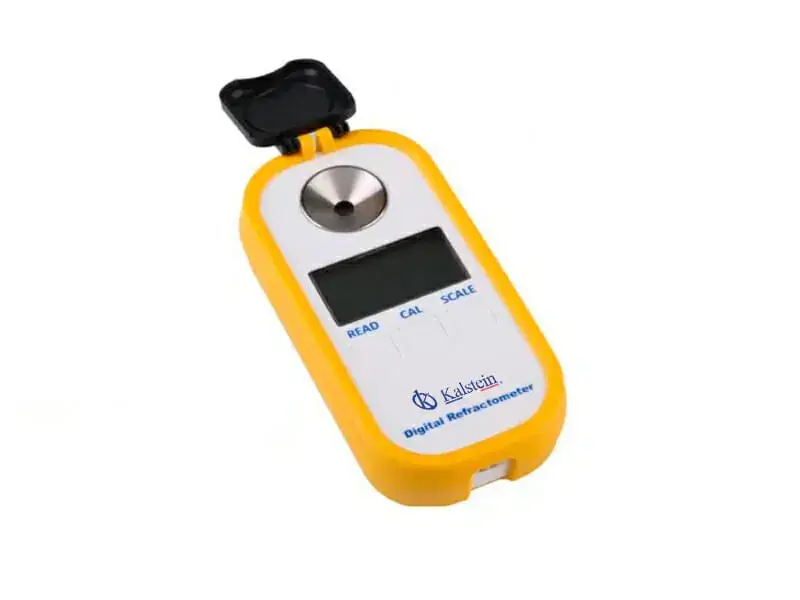
How to Ensure ISO/IEC Compliance with Digital BRIX+ Salinity Refractometers
In modern laboratory environments, adherence to ISO/IEC standards is crucial for ensuring consistency, quality, and reliability in test results. Digital BRIX+ Salinity Refractometers serve as invaluable tools in this regard, providing precise measurements that are essential for compliance. This article delves into the specifics of how these refractometers aid in meeting regulatory requirements and improving laboratory practices.
Understanding ISO/IEC Norms Relevant to Refractometry
ISO/IEC standards dictate various aspects of laboratory operations, including measurement accuracy, instrument validation, and data integrity. Key standards applicable to refractometers include ISO 17025, which outlines general requirements for testing and calibration laboratories, and ISO 15189, which focuses on the quality management systems in medical laboratories.
ISO 17025 and Digital BRIX+ Salinity Refractometers
ISO 17025 emphasizes the need for reliable measurement results. Digital BRIX+ Salinity Refractometers like the YR05961 and YR05962 provide automatic temperature compensation (ATC) and high precision, ensuring that measurements are accurate within ±0.2% across the specified ranges. This level of performance is essential for laboratories aiming to comply with ISO 17025 requirements.
ISO 15189 Standards for Medical Laboratories
ISO 15189 outlines quality management in medical laboratories, including the need for traceability of measurements. Digital BRIX+ Salinity Refractometers are designed to include features for traceability, making them suitable for laboratories that perform tests on fruit juices, syrups, or saline solutions. Models such as YR05963 and YR05964 ensure consistent results that can be traced back to standard measurements, fulfilling this standard's requirements.
IEC 61010: Safety Standards for Laboratory Equipment
IEC 61010 establishes safety requirements for electrical equipment used in laboratories. Digital BRIX+ Salinity Refractometers must adhere to these safety standards to ensure user protection during operation. All models discussed here meet these safety criteria, ensuring that they are safe for everyday laboratory use.
Documenting Compliance and Calibration Procedures
Proper documentation is essential for demonstrating compliance with ISO/IEC standards. Laboratories should maintain records of calibration procedures, which can include calibration schedules for each refractometer model. For instance, ensuring that the YR05965 is calibrated at regular intervals helps maintain the integrity of the measurements and supports compliance documentation.
Traceability in Measurements
Traceability is critical for compliance with ISO standards. Digital BRIX+ Salinity Refractometers facilitate traceability through consistent calibration against known standards. Laboratories should implement a traceability matrix that links each measurement back to international standards, ensuring compliance with ISO 17025 and ISO 15189.
Comparison of Available Models
| Model | Measurement Range | Minimum Division | Precision | ATC |
|---|---|---|---|---|
| YR05961 | 0-50% Brix | 0.10% | ±0.2% | Yes |
| YR05962 | 0--280‰ Salinity | 0.10% | ±0.2% | Yes |
| YR05963 | 0--280‰ Salinity | 1‰ | ±2‰ | Yes |
| YR05964 | 1.000-1.217 Density | 0.001 | ±0.002 | Yes |
| YR05965 | 1.3330--1.4200 nD | 0.0001 nD | ±0.0003 nD | Yes |
Common Mistakes and How to Avoid Them
One common mistake laboratories make is neglecting regular calibration of their Digital BRIX+ Salinity Refractometers. Without adherence to a structured calibration schedule, compliance with ISO standards can be compromised. Labs should establish a clear calibration protocol and designate personnel responsible for maintaining compliance.
Frequently Asked Questions
How can Digital BRIX+ Salinity Refractometers aid in ISO 17025 compliance?
Digital BRIX+ Salinity Refractometers like the YR05961 offer precise measurement capabilities, essential for compliance with ISO 17025. Their automatic temperature compensation ensures accurate results within ±0.2%, thus supporting reliable data for testing processes.
Which models are best for salinity measurement in compliance with ISO 15189?
The YR05962 and YR05963 models are specifically designed for salinity measurement, making them ideal for laboratories focusing on compliance with ISO 15189. Both models provide high precision and are suitable for various saline solutions.
What key features should I look for in a refractometer for laboratory use?
When selecting a refractometer, look for features such as automatic temperature compensation (ATC), range of measurement, and precision. The YR05965 offers advanced refractive index measurement capabilities, making it a versatile choice for laboratories.
How often should Digital BRIX+ Salinity Refractometers be calibrated for compliance?
Calibration frequency can vary, but a best practice is to calibrate your refractometer monthly or before critical tests. This ensures compliance with standards like ISO 17025, maintaining the integrity of measurements provided by models like the YR05964.
What documentation is necessary for ISO compliance regarding refractometers?
Documentation should include calibration records, measurement protocols, and maintenance logs. For models like YR05961, these records are vital for demonstrating compliance with ISO standards during audits.
How do Digital BRIX+ Salinity Refractometers ensure data integrity?
Data integrity is ensured through precise measurements and automatic documentation features. Models such as the YR05962 support traceability, linking measurements back to calibration standards, thus enhancing overall data reliability in laboratory practices.
What are the safety standards applicable to Digital BRIX+ Salinity Refractometers?
Digital BRIX+ Salinity Refractometers must adhere to IEC 61010 safety standards, ensuring user safety during operation. This compliance is critical for laboratories to maintain a safe working environment for personnel.
If you are looking for a fusion of innovation and quality, you have come to the right place. At Kalstein, we offer you the luxury of exploring our exclusive catalog of laboratory equipment. We manufacture every device to the highest standards of excellence. Our intuitive and seamless online purchasing channels are designed for your convenience, securing the most competitive prices. Hesitate no longer — we bring science to life, it is time to become part of our community.