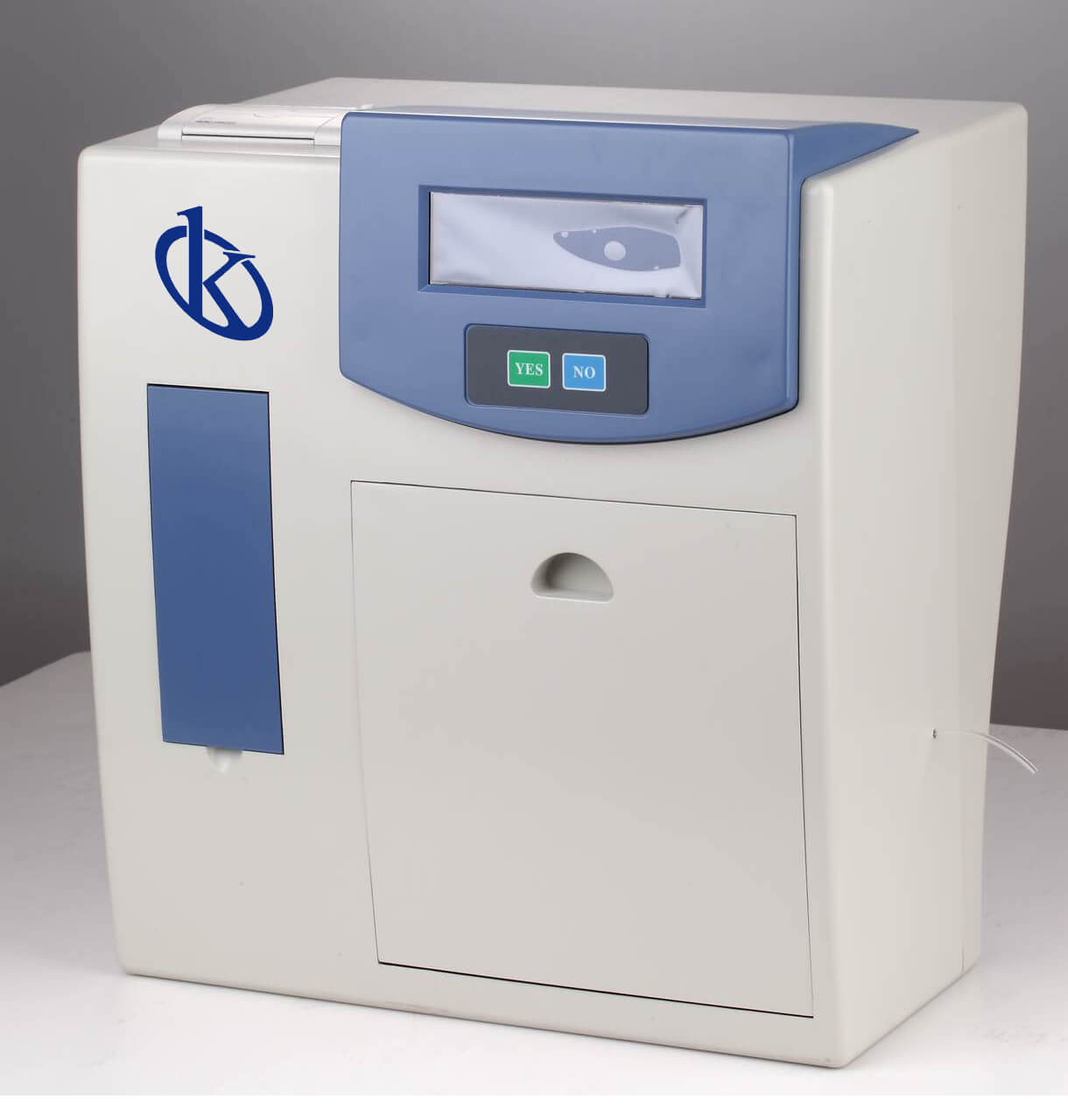
How to Ensure ISO/IEC Compliance in Electrolyte Analyzers
Electrolyte analyzers play a crucial role in clinical diagnostics, providing critical data on electrolyte levels in various bodily fluids. As laboratories strive for accuracy and reliability, ensuring compliance with ISO/IEC standards is paramount. This article explores various ISO/IEC standards relevant to electrolyte analyzers and highlights specific models that meet these requirements.
Understanding ISO/IEC Standards Relevant to Electrolyte Analyzers
ISO/IEC standards provide a framework for ensuring the quality and reliability of laboratory equipment. The key standards relevant to electrolyte analyzers include:
- ISO 17025: This standard specifies the requirements for the competence of testing and calibration laboratories. It emphasizes the need for consistent results and the ability to demonstrate compliance with international standards.
- IEC 61010: This standard covers safety requirements for electrical equipment for measurement, control, and laboratory use. It ensures that electrolyte analyzers operate safely and reliably in a laboratory environment.
- ISO 15189: This standard outlines the requirements for quality and competence in medical laboratories, focusing on the management of laboratory processes.
Key Features of Electrolyte Analyzers for Compliance
Electrolyte analyzers must possess specific features to ensure compliance with ISO/IEC standards:
- Automatic Calibration: Models like the YR05169 implement automatic two-point calibration, ensuring accurate measurements and adherence to ISO 17025 requirements.
- Real-Time Diagnostics: Advanced models, such as the YR06391, offer real-time diagnostics to monitor system performance, which is crucial for maintaining compliance with regulatory standards.
- Traceability: Compliance with standards necessitates traceability of measurements. The YR05169 ensures traceability through automatic error detection and reporting of residual liquids.
Comparison of Available Models
| Model Code | ISO/IEC Clauses Covered | Traceability Features | Best For |
|---|---|---|---|
| YR05169 | ISO 17025, IEC 61010 | Automatic error detection | High-volume testing |
| YR06391 | ISO 15189, ISO 17025 | Real-time diagnostics | Clinical settings |
| YR06392 | ISO 17025 | Calibration validation | Routine analysis |
| YR06393 | IEC 61010 | System performance monitoring | Emergency diagnostics |
| YR06394 | ISO 15189 | Certified calibration | Research laboratories |
| YR06395 | ISO 17025 | Comprehensive logging | Multi-user environments |
Common Mistakes and How to Avoid Them
Laboratories often face challenges in achieving and maintaining ISO/IEC compliance. Here are common pitfalls and strategies to avoid them:
- Neglecting Documentation: One common mistake is failing to maintain proper documentation for calibration and testing processes. Ensure that all procedures are documented, as required by ISO 17025.
- Ignoring Training: Staff training is critical for compliance. Regular training sessions on equipment use and safety protocols can mitigate risks associated with non-compliance.
- Failing to Conduct Regular Audits: Regular internal audits help identify compliance gaps. Schedule annual audits to ensure all ISO/IEC requirements are consistently met.
Advantages of Compliance with ISO/IEC Standards
Compliance with ISO/IEC standards offers numerous benefits, including:
- Improved Accuracy: Adhering to these standards ensures that electrolyte analyzers provide accurate and reliable results, which is crucial for patient care.
- Increased Credibility: Laboratories that demonstrate compliance gain credibility and trust from stakeholders, including patients, regulatory bodies, and healthcare providers.
- Enhanced Efficiency: Compliance fosters a culture of continuous improvement, leading to enhanced operational efficiency and reduced errors in testing and reporting.
Implementation of a Quality Management System (QMS)
Establishing a QMS tailored for electrolyte analyzers can streamline compliance efforts. Key elements to incorporate include:
- Standard Operating Procedures (SOPs): Develop SOPs for each process to ensure consistency and compliance with ISO standards.
- Risk Management: Implement a risk management framework to identify and mitigate risks associated with test processes.
- Customer Feedback Mechanism: Establish a feedback mechanism to capture insights from users, which can aid in refining processes and enhancing compliance.
Strategies for Continuous Improvement
Continuous improvement is essential for maintaining compliance with ISO/IEC standards. Consider these strategies:
- Regular Training and Development: Invest in continuous education for staff to ensure they remain up to date with the latest standards and best practices.
- Utilization of Advanced Technology: Leverage technology to automate processes, reduce human errors, and enhance data integrity.
- Benchmarking: Regularly benchmark against best-in-class laboratories to identify areas for improvement and implement best practices.
Frequently Asked Questions
How can I ensure my electrolyte analyzer meets ISO 17025 standards?
To ensure your electrolyte analyzer, such as the YR05169, meets ISO 17025 standards, implement a rigorous calibration schedule, maintain detailed documentation of all tests and calibrations, and conduct regular audits to assess compliance with the specified requirements.
What features should I look for in an IEC 61010 compliant electrolyte analyzer?
When selecting an IEC 61010 compliant electrolyte analyzer, prioritize models like the YR06391 that offer safety features such as overvoltage protection, user-friendly interfaces, and comprehensive diagnostics to ensure safe operation in the laboratory environment.
Which electrolyte analyzer is best for ISO 15189 compliance in clinical labs?
The YR06395 is highly recommended for ISO 15189 compliance in clinical labs due to its advanced features, including real-time diagnostics, which ensure consistent performance and adherence to quality management requirements.
How often should I calibrate my electrolyte analyzer to maintain compliance?
To maintain compliance, ensure your electrolyte analyzer, like the YR05169, undergoes calibration at least every six months, or more frequently based on usage and manufacturer recommendations, as outlined in ISO 17025.
What is the role of documentation in ISO compliance for electrolyte analyzers?
Documentation plays a crucial role in ISO compliance for electrolyte analyzers. It provides a legal record of calibration, maintenance, and testing procedures, helping labs like those using the YR06394 demonstrate adherence to ISO standards during inspections.
How can I improve the compliance of my laboratory with ISO/IEC standards?
Improving compliance with ISO/IEC standards can be achieved by implementing a Quality Management System, training staff regularly, and utilizing reliable models like the YR06391, which features robust diagnostics to support compliance efforts.
What are the consequences of non-compliance with ISO/IEC standards for electrolyte analyzers?
Non-compliance with ISO/IEC standards can lead to reputational damage, legal repercussions, and decreased funding. Additionally, it may result in inaccurate testing outcomes, compromising patient safety and quality of care.
How do I choose the right electrolyte analyzer for regulatory compliance?
Choosing the right electrolyte analyzer for regulatory compliance involves assessing models like the YR05169 and YR06391, which offer essential features such as automatic calibration, traceability, and compliance with ISO/IEC standards, ensuring reliable and accurate results.
If you are looking for a fusion of innovation and quality, you have come to the right place. At Kalstein, we offer you the luxury of exploring our exclusive catalog of laboratory equipment. We manufacture every device to the highest standards of excellence. Our intuitive and seamless online purchasing channels are designed for your convenience, securing the most competitive prices. Hesitate no longer — we bring science to life, it is time to become part of our community.