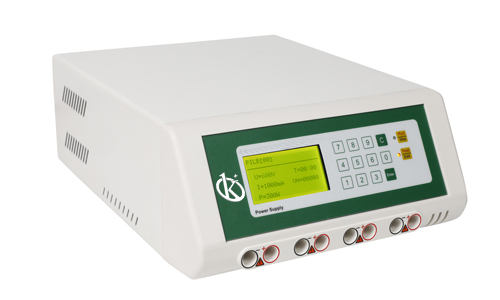
Ensuring ISO/IEC Compliance in High-Voltage Power Supply for Laboratories
In laboratory settings, high-voltage power supplies play a critical role in various applications, including electrophoresis, testing, and experimental setups. As laboratories aim to achieve regulatory compliance, understanding and implementing ISO/IEC standards is crucial. This article delves into the specific requirements of ISO/IEC regulations affecting high-voltage power supply systems, exploring the capabilities of various models to ensure compliance.
Understanding ISO/IEC Standards for High-Voltage Power Supplies
ISO/IEC standards are internationally recognized regulations that provide guidelines for equipment, including power supplies used in laboratory environments. Compliance with these standards ensures the reliability, safety, and quality of laboratory equipment. Relevant standards for high-voltage power supplies include ISO 17025, which focuses on testing and calibration laboratories, and IEC 61010, which addresses safety requirements for electrical equipment used in measurement and testing.
Comparison of Available Models
| Model | ISO/IEC Clauses Covered | Traceability Features | Best For |
|---|---|---|---|
| YR03409 | ISO 17025 | Real-time output tracking | Electrophoresis applications |
| YR03408 | IEC 61010 | Automatic fault detection | High-precision experiments |
| YR03405 | ISO 17025 | Memory for multiple methods | Routine testing |
| YR03406 | IEC 61010 | Temperature control | Temperature-sensitive applications |
| YR03407 | ISO 17025 | Advanced error notifications | Flexible laboratory setups |
Key ISO/IEC Standards Impacting High-Voltage Power Supply
The following ISO/IEC standards are particularly relevant for laboratories utilizing high-voltage power supplies:
- ISO 17025: Focuses on the competence of testing and calibration laboratories, ensuring reliability and accuracy of results.
- IEC 61010: Details safety requirements for electrical equipment used for measurement, ensuring the operational integrity of high-voltage supplies.
- ISO 15189: Specifies requirements for quality and competence in medical laboratories, relevant when high-voltage power supplies are used for medical testing.
Model Features Supporting Compliance
Each high-voltage power supply model comes equipped with features that facilitate compliance with ISO/IEC standards:
YR03409 Features
This model supports temperature control and offers a memory function for storing up to 10 electrophoresis methods, crucial for maintaining consistent test conditions in compliance with ISO 17025.
YR03408 Features
With its advanced error detection and a user-friendly interface, this model ensures safe operations in line with IEC 61010 standards, making it ideal for high-precision experiments.
YR03405 Features
Known for its ability to store multiple methods and provide real-time output tracking, this model is particularly useful for laboratories that require frequent testing and calibration.
YR03406 Features
This model includes temperature control features, monitoring the environment during operations, catering to applications sensitive to temperature variations.
YR03407 Features
With advanced notification systems for operational errors, this model offers flexibility and reliability, ensuring compliance in dynamic laboratory settings.
Common Mistakes and How to Avoid Them
Laboratories often face challenges in achieving compliance with ISO/IEC standards. Below are common pitfalls and strategies to avoid them:
- Inadequate Documentation: Keep meticulous records of testing and calibration procedures as per ISO 17025 requirements, ensuring traceability.
- Poor Maintenance Procedures: Implement regular maintenance schedules to comply with IEC 61010 standards, ensuring safety and reliability.
- Neglecting Staff Training: Ensure staff are trained on the operational protocols of high-voltage equipment to avoid errors and ensure compliance.
Frequently Asked Questions
What are the ISO/IEC standards applicable to high-voltage power supply in laboratories?
ISO 17025 and IEC 61010 are the primary standards that apply to high-voltage power supplies in laboratories, ensuring testing accuracy and safety compliance.
How does the YR03409 model facilitate compliance with ISO standards?
The YR03409 model supports temperature control and stores multiple electrophoresis methods, aligning with ISO 17025 requirements for consistent testing conditions.
Which high-voltage power supply model is best for IEC compliance?
The YR03408 model is best for IEC compliance due to its advanced safety features and error detection systems, ensuring safe operations.
What features help ensure traceability in high-voltage power supplies?
Models like the YR03405 come with memory functions that store testing procedures, which enhance traceability as required by ISO 17025.
How can I improve operational safety when using high-voltage power supplies?
Implementing models like YR03406, which include advanced safety notifications and controls, can significantly improve safety during operations.
What documentation is required for ISO/IEC compliance in high-voltage testing?
Document procedures, calibration records, and maintenance logs, ensuring traceability and adherence to ISO 17025 and IEC 61010 standards.
How can YR03407 enhance reliability in laboratory settings?
The YR03407 model's error notification feature helps maintain operational reliability, essential for laboratories needing consistent results.
What is the cost-effectiveness of high-voltage power supplies in achieving compliance?
Investing in reliable models like the YR03409 can reduce errors and improve testing efficiency, impacting overall compliance costs positively.
If you are looking for a fusion of innovation and quality, you have come to the right place. At Kalstein, we offer you the luxury of exploring our exclusive catalog of laboratory equipment. We manufacture every device to the highest standards of excellence. Our intuitive and seamless online purchasing channels are designed for your convenience, securing the most competitive prices. Hesitate no longer — we bring science to life, it is time to become part of our community.