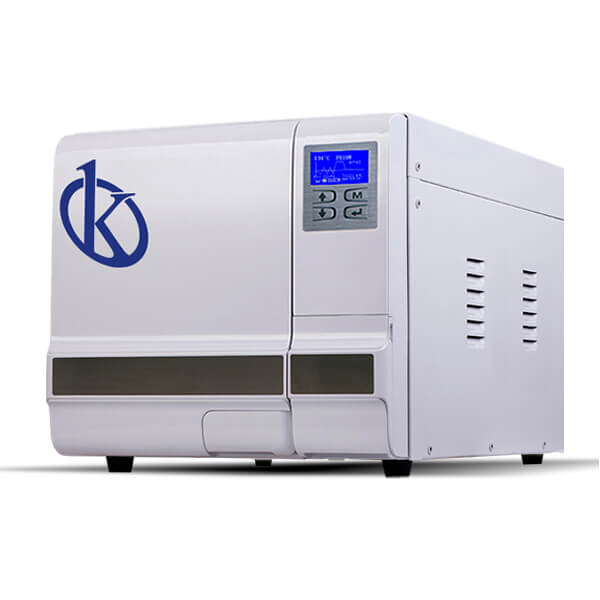
How to Achieve ISO/IEC Compliance with Horizontal Autoclaves
In the laboratory environment, adhering to ISO/IEC standards is critical for ensuring quality and safety in processes such as sterilization. Horizontal autoclaves are designed to meet these standards, and understanding how each model aligns with regulatory requirements is essential for laboratory professionals. This article will delve into specific ISO/IEC norms, explore the capabilities of various horizontal autoclave models, and provide a comprehensive comparison to guide your compliance efforts.
Understanding ISO/IEC Norms for Laboratories
ISO/IEC standards provide a framework for quality management in laboratories, ensuring processes are consistent and reliable. Key standards relevant to horizontal autoclaves include ISO 17025, which covers testing and calibration laboratories, and ISO 15189, focusing on medical laboratories. Compliance with these standards is fundamental not only for the certification process but also for maintaining the integrity of laboratory results.
ISO 17025: Quality Management
ISO 17025 specifies requirements for the competence of testing and calibration laboratories. Horizontal autoclaves like the Class B Table Autoclave YR03387 and YR03388 have features that support meeting these requirements, including pre-programmed sterilization cycles that ensure reproducibility and precision in sterilization processes.
ISO 15189: Medical Laboratory Requirements
ISO 15189 enhances medical laboratories' quality and competence, addressing aspects like personnel qualifications and laboratory processes. Horizontal autoclaves, such as the Class B Table Autoclave YR03389, are designed with user-friendly interfaces that streamline operations, thus supporting compliance by minimizing operator error and enhancing traceability.
Comparison of Available Models
| Model | ISO/IEC Clauses Covered | Traceability Features | Best For |
|---|---|---|---|
| YR03387 | ISO 17025, ISO 15189 | Data logging for sterilization cycles | Small laboratories |
| YR03388 | ISO 17025 | Integrated calibration protocols | Veterinary clinics |
| YR03389 | ISO 15189 | Real-time monitoring | Medical facilities |
| YR03390 | ISO 17025 | Audit-ready documentation | Research laboratories |
| YR03385C | ISO 15189 | Automated records | Beauty and wellness sectors |
| YR03385B | ISO 17025 | Cyclic performance verification | Small business setups |
Common Mistakes and How to Avoid Them
In laboratories striving for ISO/IEC compliance with horizontal autoclaves, various pitfalls can undermine efforts. Common mistakes include inadequate training for personnel, poor documentation practices, and neglecting regular maintenance. Ensuring thorough training on models like the Class B Table Autoclave YR03390 can prevent operational errors. Moreover, implementing a robust documentation system that tracks sterilization cycles and maintenance schedules will enhance compliance and audit readiness.
Benefits of Compliance with ISO/IEC Standards
Achieving compliance with ISO/IEC standards can significantly enhance a laboratory's reputation and operational efficiency. Models like the Class B Table Autoclave YR03385C offer advanced features such as automated sterilization cycles, which not only meet regulatory requirements but also improve throughput and reliability in sterilization procedures.
Energy Efficiency and Sustainability Considerations
With increasing focus on sustainability, choosing energy-efficient horizontal autoclaves is vital. The Class B Table Autoclave YR03388, for instance, is designed to minimize energy consumption while providing optimal sterilization performance. Understanding the energy footprint of each model can aid laboratories in making environmentally conscious choices.
Frequently Asked Questions
What are the key ISO standards for horizontal autoclaves used in laboratories?
ISO 17025 and ISO 15189 are the key standards for horizontal autoclaves in laboratories. The Class B Table Autoclave YR03387 supports these standards with precise sterilization capabilities, ensuring compliance in both testing and medical environments.
How can I ensure my horizontal autoclave meets ISO compliance?
To ensure ISO compliance, regularly calibrate your horizontal autoclave and maintain accurate records. The Class B Table Autoclave YR03390 has built-in documentation features that help maintain compliance with ISO standards by providing audit-ready records.
Which model is best for small veterinary clinics needing ISO compliance?
The Class B Table Autoclave YR03388 is ideal for small veterinary clinics, as it meets ISO 17025 standards and offers efficient, space-saving features, making it well-suited for small business environments.
What is the role of documentation in ISO compliance for autoclaves?
Documentation plays a crucial role in demonstrating compliance with ISO standards. Models like the Class B Table Autoclave YR03389 provide automated documentation features that facilitate compliance and traceability, ensuring all sterilization cycles are properly recorded.
How often do I need to calibrate my horizontal autoclave for ISO compliance?
Calibration frequency depends on usage, but regular checks, typically every 6 months, are recommended to ensure compliance. The Class B Table Autoclave YR03385C includes features that simplify the calibration process, making adherence to standards easier.
What are the benefits of using Class B autoclaves in laboratories?
Class B autoclaves, such as the Class B Table Autoclave YR03390, provide high sterilization efficiency and are suitable for a variety of instruments. They meet stringent ISO standards, ensuring safety and effectiveness in laboratory practices.
How can horizontal autoclaves improve laboratory workflow efficiency?
Horizontal autoclaves like the Class B Table Autoclave YR03389 streamline workflow by automating sterilization cycles and documentation. This reduces manual tasks and increases throughput, essential for busy laboratory environments.
Why is operator training important for ISO compliance in autoclave usage?
Operator training is crucial for ISO compliance as it minimizes errors during sterilization processes. The Class B Table Autoclave YR03388 features user-friendly controls, which, when combined with proper training, enhance compliance and operational safety.
If you would like to receive a quote for any of our horizontal autoclaves, please reach out to us. We are here to support your laboratory's compliance needs!
If you are looking for a fusion of innovation and quality, you have come to the right place. At Kalstein, we offer you the luxury of exploring our exclusive catalog of laboratory equipment. We manufacture every device to the highest standards of excellence. Our intuitive and seamless online purchasing channels are designed for your convenience, securing the most competitive prices. Hesitate no longer — we bring science to life, it is time to become part of our community.