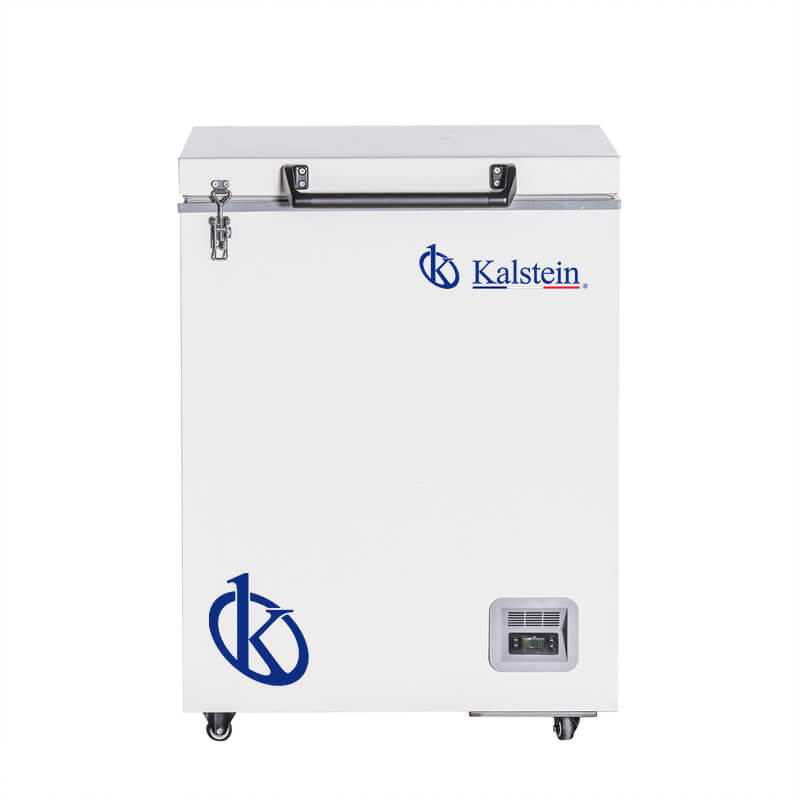
How to Ensure ISO/IEC Compliance in Laboratory Chest Freezers
In the rapidly evolving landscape of laboratory environments, compliance with ISO/IEC standards is fundamental to maintaining quality and reliability in equipment, especially in sensitive areas such as sample storage. Chest freezers play a crucial role in ensuring that biological samples, reagents, and other laboratory materials are stored at optimal temperatures. This article will explore the importance of ISO/IEC compliance in laboratory chest freezers and provide a detailed comparison of various models that meet these rigorous standards.
Understanding ISO/IEC Standards and Their Importance
ISO/IEC standards set forth guidelines and specifications that laboratories must adhere to ensure quality, safety, and efficiency. For instance, ISO 17025 is essential for laboratories that seek accreditation, as it outlines requirements for testing and calibration. Compliance ensures that the laboratory can produce valid results, which is crucial for maintaining trust and credibility in scientific work.
Laboratory chest freezers must adhere to specific ISO/IEC standards, including temperature control, energy efficiency, and safety features. Meeting these specifications not only enhances the reliability of sample preservation but also contributes to the overall operational efficiency of the laboratory.
Compliance Framework for Chest Freezers
When selecting a chest freezer, laboratories should consider various ISO/IEC standards that relate directly to their operations. Key compliance areas include:
- Temperature Control: Compliance with standards such as IEC 61010 ensures that temperature variations do not compromise sample integrity.
- Energy Efficiency: Many laboratories are turning towards sustainable practices, thus adhering to energy efficiency standards is vital.
- Safety Features: Compliance with safety standards ensures that equipment operates without risk to personnel or samples.
Comparison of Available Models
| Model | ISO/IEC Clauses Covered | Traceability Features | Best For |
|---|---|---|---|
| YR05102 | ISO 17025, IEC 61010 | Digital monitoring and alarms | General laboratory use |
| YR05103 | ISO 17025, IEC 61010 | Manual records with alerts | Medium-sized labs |
| YR05104 | ISO 17025, IEC 61010 | Digital monitoring with backup | High-throughput labs |
| YR05314 | ISO 17025, IEC 61010 | Advanced monitoring systems | Research institutions |
| YR05313 | ISO 17025, IEC 61010 | Comprehensive alarm systems | Small research projects |
| YR05315 | ISO 17025, IEC 61010 | Integrated traceability features | Biomedical applications |
Common Mistakes and How to Avoid Them
Laboratories often overlook critical compliance aspects when selecting chest freezers. Common mistakes include:
- Ignoring Temperature Ranges: Ensure the model covers the necessary temperature range. For instance, YR05102 offers temperatures from -10°C to -40°C, which is sufficient for many materials but may not suit ultra-low requirements.
- Overlooking Energy Efficiency: Many labs operate on tight budgets, and energy-efficient models like YR05314 should be prioritized. These can significantly reduce operational costs over time.
- Neglecting Digital Monitoring: Always opt for models such as YR05315 that provide advanced monitoring capabilities to ensure compliance without manual checks.
ISO/IEC Compliance Strategies for Chest Freezers
To achieve compliance, laboratories should implement the following strategies:
- Regular Audits: Conduct regular audits to ensure compliance with ISO standards. Use models equipped with alarms to alert staff to potential issues.
- Documentation: Maintain detailed records of temperature logs and maintenance checks. Models like YR05103 offer manual logging capabilities that are essential for traceability.
- Training: Ensure all staff are trained on the importance of compliance and the specific features of the chosen freezer model.
Energy Consumption Metrics for Chest Freezers
Energy efficiency is a critical factor in laboratory operations. Below is a breakdown of the energy consumption of selected models:
| Model | Energy Consumption (kWh/24h) | Noise Level (dB) | Temperature Range (°C) |
|---|---|---|---|
| YR05102 | 1.65 | 50 | -10 to -40 |
| YR05103 | 1.68 | 52 | -10 to -40 |
| YR05104 | 3.45 | 55 | -20 to -40 |
| YR05314 | 11.5 | 54.5 | -40 to -86 |
| YR05313 | 3.8 | 50 | -40 to -86 |
| YR05315 | 3.2 | 53 | -25 to -60 |
Frequently Asked Questions
What are the key ISO/IEC standards for chest freezers in laboratories?
Key ISO/IEC standards for laboratory chest freezers include ISO 17025, which focuses on testing and calibration requirements, and IEC 61010, ensuring safety and performance. Models like YR05102 are designed to meet these standards, helping labs maintain compliance and operational efficiency.
How does the energy consumption of chest freezers impact laboratory operations?
Energy consumption affects operational costs and sustainability. For instance, YR05102 consumes only 1.65 kWh/24h, making it an economical choice for labs focused on energy efficiency while maintaining compliance with ISO standards.
Which chest freezer model is best for biomedical applications in compliance with ISO standards?
The YR05315 is specifically designed for biomedical applications, providing temperatures down to -60°C and ensuring compliance with ISO standards. Its features make it suitable for storing sensitive biological materials like vaccines and blood samples.
What documentation is required for ISO compliance in chest freezers?
Documentation requirements include temperature logs, maintenance records, and calibration certificates. Models like YR05103 help laboratories maintain thorough documentation, which is crucial for meeting ISO 17025 compliance.
How can I ensure my chest freezer maintains compliance during operations?
Regular maintenance checks, using models with built-in monitoring systems like YR05314, and training personnel on compliance protocols are essential for ensuring ongoing compliance with ISO/IEC standards in laboratories.
What safety features should I look for in a laboratory chest freezer?
Safety features such as alarm systems for temperature fluctuations and power failures are critical. The YR05104 includes multiple alarms that enhance safety and help maintain compliance with IEC 61010 standards.
How do I select a chest freezer that meets ISO 17025 requirements?
When selecting a chest freezer, look for models like YR05102 that explicitly mention ISO 17025 compliance. Ensure the model offers sufficient temperature control, monitoring, and traceability features required by the standard.
What is the expected lifespan of a compliant laboratory chest freezer?
The lifespan of a compliant laboratory chest freezer varies by model and maintenance. Typically, models like YR05314 are designed for long-term use and can last over a decade if properly maintained and operated within compliance standards.
If you are looking for a fusion of innovation and quality, you have come to the right place. At Kalstein, we offer you the luxury of exploring our exclusive catalog of laboratory equipment. We manufacture every device to the highest standards of excellence. Our intuitive and seamless online purchasing channels are designed for your convenience, securing the most competitive prices. Hesitate no longer — we bring science to life, it is time to become part of our community.