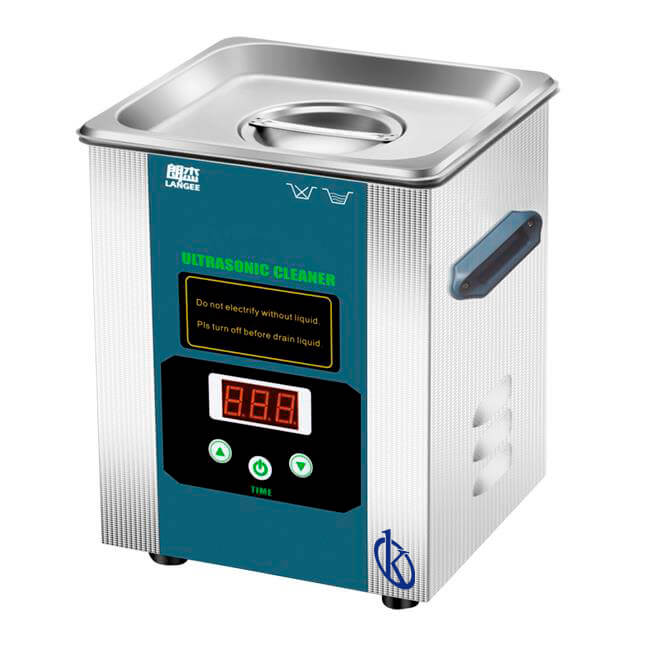
Understanding ISO/IEC Compliance for Mechanical Desktop Ultrasonic Cleaners
In laboratory settings, compliance with ISO/IEC standards has become increasingly vital for ensuring quality and reliability in testing and research. Mechanical desktop ultrasonic cleaners are no exception. These devices not only clean effectively but also adhere to stringent regulations that enhance their operational efficiency. This article delves into the importance of ISO/IEC compliance, exploring specific standards that apply to mechanical desktop ultrasonic cleaners, and showcasing various models available in the market.
The Role of ISO/IEC Standards in Laboratory Equipment
ISO (International Organization for Standardization) and IEC (International Electrotechnical Commission) standards form the backbone of quality assurance in laboratory equipment. Compliance with these standards ensures that the equipment meets international benchmarks for safety, reliability, and performance. Ultrasonic cleaners, particularly mechanical desktop models, are subject to these regulations as they play a crucial role in maintaining cleanliness and sterility in laboratory environments.
Key ISO/IEC Standards for Ultrasonic Cleaners
Several ISO/IEC standards are pertinent to mechanical desktop ultrasonic cleaners. Notably, ISO 17025 outlines the requirements for the competence of testing and calibration laboratories. Compliance ensures that ultrasonic cleaners produce consistent and reliable results in cleaning delicate items such as laboratory glassware, tools, and even electronic components.
ISO 17025
This standard demands a systematic approach to quality management, ensuring that ultrasonic cleaning processes are documented and traceable. By employing models like YR05206, which offers a substantial tank capacity and a robust frequency range, laboratories can guarantee adherence to the necessary protocols.
IEC 61010
IEC 61010 focuses on safety requirements for electrical equipment used in measurement, control, and laboratory processes. Mechanical desktop ultrasonic cleaners must comply with these safety norms to protect operators from electrical hazards. Models such as YR05203 are designed with these safety features in mind, ensuring user protection during operation.
Comparison of Available Models
| Model Code | Tank Capacity (L) | Frequency (kHz) | Power (W) | Price (USD) |
|---|---|---|---|---|
| YR05207 | 1.3 | 40 | 70 | 43.00 |
| YR05202 | 11 | 40/80/120 | 240 | 540.00 |
| YR05203 | 15 | 40/80/120 | 360 | 640.00 |
| YR05204 | 20 | 40/80/120 | 360 | 680.00 |
| YR05205 | 22 | 40/80/120 | 480 | 760.00 |
| YR05206 | 30 | 40/80/120 | 600 | 810.00 |
Common Mistakes and How to Avoid Them
Laboratories often overlook the importance of regular maintenance and adherence to ISO/IEC standards, which can lead to equipment failures and non-compliance. One common mistake is not documenting cleaning protocols properly. It is vital to maintain accurate records of maintenance and calibration schedules, especially for models like YR05202 that have multiple frequency settings. Regular audits and staff training on compliance will mitigate these risks.
Traceability in Ultrasonic Cleaning
Traceability is a critical aspect of compliance with ISO 17025. It involves maintaining a documented trail of processes, results, and findings associated with the use of ultrasonic cleaners. For instance, using YR05203 which supports multiple frequencies, laboratories can trace cleaning results back to specific settings and conditions, providing evidence of compliance with testing protocols.
Energy Consumption and Sustainability
As environmental concerns grow, laboratories are increasingly seeking energy-efficient equipment. Mechanical desktop ultrasonic cleaners vary in energy consumption, making it essential to consider operational costs. Models such as YR05206, with higher capacity and efficiency, can reduce overall energy consumption while maintaining compliance with ISO standards. Performing a lifecycle assessment can help laboratories understand the environmental impact and prioritize sustainable options.
Frequently Asked Questions
What are the ISO requirements for ultrasonic cleaners in laboratories?
The ISO requirements for ultrasonic cleaners, particularly ISO 17025, ensure that cleaning processes are standardized and traceable. Models like YR05206 are designed to meet these standards, providing reliable cleaning results crucial for laboratory compliance.
How can I ensure my ultrasonic cleaner is compliant with IEC 61010?
To ensure compliance with IEC 61010, it is important to choose ultrasonic cleaners that incorporate safety features, such as YR05203 which is built with operator safety in mind. Regular inspections and adherence to guidelines will further support compliance.
What maintenance practices enhance compliance with ISO 17025?
Regular maintenance practices such as calibrating ultrasonic cleaners like YR05207 and documenting cleaning cycles enhance compliance with ISO 17025. Maintaining accurate records helps in ensuring that the equipment meets the required standards during audits.
How can ultrasonic cleaners reduce environmental impact?
Ultrasonic cleaners, especially models like YR05206, can reduce environmental impact by using less water and energy compared to traditional cleaning methods. Implementing a lifecycle assessment can help identify further sustainability measures during usage.
What is the efficiency of ultrasonic cleaners in meeting cleaning standards?
Ultrasonic cleaners such as YR05202 and YR05204 are highly efficient at meeting cleaning standards due to their range of frequencies and power settings, making them ideal for ensuring that laboratory equipment is thoroughly cleaned and compliant.
Why is traceability important for ultrasonic cleaning processes?
Traceability is key for meeting ISO 17025 standards, as it allows laboratories to document cleaning processes and results. Models like YR05203 support this by providing detailed settings and performance metrics that can be easily recorded.
How do I choose the right ultrasonic cleaner for laboratory compliance?
When choosing an ultrasonic cleaner for laboratory compliance, consider models that meet ISO/IEC standards and have features suitable for your specific applications. Models like YR05206 provide robust features that enhance compliance and performance.
Conclusion
The importance of ISO/IEC compliance in mechanical desktop ultrasonic cleaners cannot be overstated. By understanding specific standards such as ISO 17025 and IEC 61010, laboratories can select the appropriate models that not only meet regulatory requirements but also enhance operational efficiency. Choosing the right equipment, like YR05206 or YR05203, is crucial for maintaining high standards of cleanliness and safety in laboratory environments.
If you are looking for a fusion of innovation and quality, you have come to the right place. At Kalstein, we offer you the luxury of exploring our exclusive catalog of laboratory equipment. We manufacture every device to the highest standards of excellence. Our intuitive and seamless online purchasing channels are designed for your convenience, securing the most competitive prices. Hesitate no longer — we bring science to life, it is time to become part of our community.