ISO/IEC Compliance in Laboratories: Choosing the Right Portable pH Meters
Regulatory compliance is a critical aspect of laboratory operations, especially in fields where precision and accuracy are paramount. Portable pH meters, used for measuring the acidity or alkalinity of solutions, play a vital role in various laboratory applications. Understanding ISO/IEC standards is crucial for laboratory professionals to ensure their equipment meets required regulatory guidelines.
Understanding ISO/IEC Standards and Their Importance in Laboratories
ISO (International Organization for Standardization) and IEC (International Electrotechnical Commission) standards provide frameworks for quality and safety in laboratory operations. Compliance with these standards ensures that laboratory results are reliable and reproducible. Specific standards relevant to portable pH meters include ISO 17025, which addresses the competence of testing and calibration laboratories, and ISO 15189, which pertains to medical laboratories.
Key ISO/IEC Standards for Portable pH Meters
For laboratories utilizing portable pH meters, several ISO/IEC standards must be considered:
- ISO 17025: Focuses on laboratory management and technical requirements to ensure accurate testing and calibration.
- ISO 15189: Specifies the requirements for quality and competence in medical laboratories, ensuring that portable pH meters are used appropriately in clinical settings.
- IEC 61010: Addresses the safety requirements for electrical equipment used in measurement, control, and laboratory processes.
Comparison of Available Models
| Model | ISO/IEC Clauses Covered | Traceability Features | Best For |
|---|---|---|---|
| YR01803 | ISO 17025 | 3-point calibration | Small sample volume measurements |
| YR01804 | ISO 17025 | 1-3 point calibration | Outdoor applications |
| YR01800 | IEC 61010 | Interchangeable electrodes | General lab use |
| YR01802 | ISO 15189 | Automatic temperature compensation | Measuring semi-solids |
How Portable pH Meters Help Meet Compliance Standards
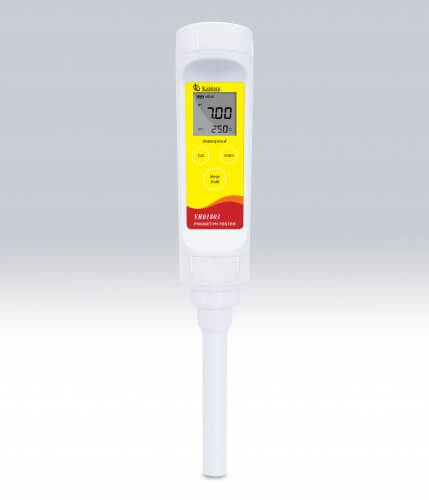
Portable pH meters, such as the YR01803, provide features that assist labs in meeting ISO/IEC standards. These meters enable precise calibration (1 to 3 points) and automatic temperature compensation, which helps ensure accurate readings. Compliance with ISO 17025 is particularly emphasized by this model, making it ideal for laboratories requiring stringent accuracy checks.
Documentation Requirements for ISO/IEC Compliance
Documentation is essential for demonstrating compliance with ISO/IEC standards. This includes calibration records, maintenance logs, and validation reports. Portable pH meters should provide traceable calibration to recognized standards, ensuring that readings are accurate and consistent. A model like YR01804 supports automatic buffer recognition and calibration, which simplifies the documentation process.
Common Errors in pH Measurements and Compliance
Laboratory professionals often encounter challenges that can lead to non-compliance. Common errors include improper calibration, neglecting temperature compensation, and using outdated buffer solutions. It's crucial to regularly check calibration using models like YR01802, which features an automatic compensation system to mitigate these issues.
Cost-Benefit Analysis of Portable pH Meters for Compliance
Investing in high-quality portable pH meters contributes to compliance with regulatory standards, which ultimately enhances laboratory credibility. Below is a cost matrix detailing the costs associated with different models in relation to their compliance capabilities:
| Model | Purchase Price (USD) | Annual Calibration Cost (USD) | Compliance Score |
|---|---|---|---|
| YR01803 | 77.00 | 20.00 | 95% |
| YR01804 | 75.00 | 15.00 | 90% |
| YR01800 | 18.00 | 50.00 | 80% |
Frequently Asked Questions
How can I ensure my portable pH meter complies with ISO 17025 standards?
To ensure compliance with ISO 17025 standards, use a portable pH meter like the YR01803 that offers features such as 3-point calibration and automatic temperature compensation. Regular calibration and maintaining documented records are essential for compliance.
What are the benefits of using the YR01802 portable pH meter for laboratory testing?
The YR01802 portable pH meter features high accuracy and a dual display, making it ideal for measuring semi-solids in compliance with ISO 15189. Its automatic temperature compensation ensures reliable results during lab tests.
Which portable pH meters provide traceability for regulatory compliance?
The YR01803 and YR01804 both feature 1-3 point calibration, providing traceability necessary for ISO compliance. This helps laboratories maintain accuracy and reliability in their measurements.
How often should I calibrate my portable pH meter to ensure compliance?
Calibration frequency depends on usage; however, it's generally recommended to calibrate portable pH meters like the YR01804 every month or after significant temperature changes to ensure compliance with ISO 17025.
What is the importance of temperature compensation in portable pH meters?
Temperature compensation is crucial for accurate pH readings, especially in varying conditions. Models like the YR01803 automatically compensate for temperature fluctuations, ensuring compliance with relevant standards.
How do I maintain my portable pH meter to meet compliance standards?
Regular maintenance of portable pH meters, including cleaning electrodes and performing routine calibrations, is essential. Using models like the YR01800, which offer robust features and durability, can support compliance efforts.
What features should I look for in a portable pH meter for laboratory use?
When selecting a portable pH meter, look for features such as automatic calibration, temperature compensation, and compliance with ISO standards. Models like the YR01802 excel in these areas, ensuring reliable laboratory measurements.
Common Mistakes and How to Avoid Them
Laboratory professionals often make mistakes that can lead to inaccurate pH readings and compliance issues. Some common errors include:
- Failing to calibrate regularly - Ensure frequent calibration with models like YR01804.
- Neglecting automatic temperature compensation - Use meters that offer this feature for accurate readings.
- Using expired buffer solutions - Always check the expiration dates on solutions used for calibration.
Conclusion
Choosing the right portable pH meter is essential for maintaining compliance with ISO/IEC standards in laboratory settings. Models like YR01803 and YR01802 offer features that support regulatory requirements, enhancing result accuracy and laboratory credibility. By avoiding common mistakes and ensuring proper documentation, laboratories can achieve compliance and improve overall operational efficiency.
If you are looking for a fusion of innovation and quality, you have come to the right place. At Kalstein, we offer you the luxury of exploring our exclusive catalog of laboratory equipment. We manufacture every device to the highest standards of excellence. Our intuitive and seamless online purchasing channels are designed for your convenience, securing the most competitive prices. Hesitate no longer — we bring science to life, it is time to become part of our community.