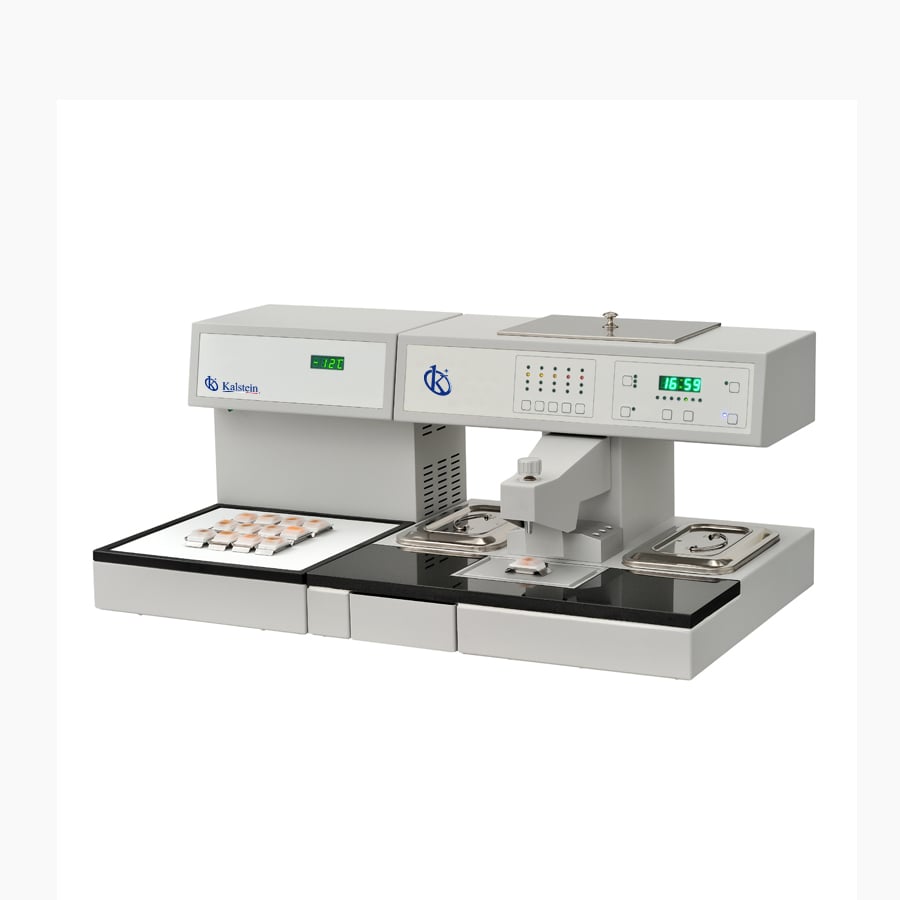
How to Ensure ISO/IEC Compliance with Tissue Embedding Systems in Laboratories?
In the realm of histopathology, adherence to ISO/IEC standards is not just a regulatory requirement but a crucial aspect for ensuring quality and reliability in laboratory operations. Tissue embedding systems play a significant role in this compliance, impacting the overall workflow and the quality of processed samples. This article delves deep into how specific models of tissue embedding systems align with ISO/IEC standards, offering insights into their features, benefits, and areas of application.
Understanding ISO/IEC Standards for Laboratories
ISO (International Organization for Standardization) and IEC (International Electrotechnical Commission) standards provide a framework that laboratories must follow to ensure quality, safety, and efficiency. These standards encompass various aspects of laboratory operations, including equipment selection, maintenance, and operational procedures. Compliance ensures that laboratories can offer reliable results that are trusted by healthcare professionals.
Importance of ISO/IEC Compliance in Tissue Embedding Systems
Tissue embedding systems, integral to histology labs, must comply with ISO/IEC standards to ensure that the sample processing is reproducible and traceable. Compliance aids in minimizing errors, ensuring that temperature control and other critical parameters are maintained within specified limits. This is essential for the integrity of the samples and the accuracy of diagnoses.
Key ISO/IEC Standards Relevant to Tissue Embedding Systems
Specific ISO/IEC standards are crucial in the context of tissue embedding systems. Some key standards include:
- ISO 17025: This standard specifies the general requirements for the competence of testing and calibration laboratories.
- ISO 15189: It sets the requirements for quality and competence in medical laboratories.
- IEC 61010: This standard covers the safety requirements for electrical equipment used in measurement, control, and laboratory use.
Comparing Features of Tissue Embedding Systems
When evaluating tissue embedding systems, it is critical to assess how each model adheres to ISO/IEC standards. Below, we present a comparison of multiple models:
| Model | ISO/IEC Clauses Covered | Traceability Features | Best For |
|---|---|---|---|
| YR441 | ISO 17025 | Microprocessor-controlled temperature | High throughput labs |
| YR447 | ISO 15189 | Integrated temperature monitoring | Advanced tissue processing |
| YR439 | IEC 61010 | Programmable ON/OFF control | Standard laboratory use |
| YR445 | ISO 15189 | Ergonomic design for better handling | Comfortable sample processing |
| YR439-1 | ISO 17025 | Computer-controlled temperature | Large sample volume |
| YR440B | IEC 61010 | Real-time temperature display | Cold storage needs |
Common Mistakes and How to Avoid Them
Several common missteps can jeopardize compliance with ISO/IEC standards in laboratories:
- Neglecting Equipment Calibration: Regular calibration of tissue embedding systems is necessary to maintain compliance with ISO 17025.
- Ignoring Documentation: Failing to keep thorough records of procedures can lead to non-compliance with ISO 15189 requirements.
- Inadequate Training: Ensuring that personnel are trained on the proper operation of equipment like the YR441 is vital for compliance.
Deep Dive: Meeting ISO 17025 with Tissue Embedding Systems
ISO 17025 emphasizes the need for accurate test results and the reliability of laboratory operations. Tissue embedding systems like the YR441 are designed to meet these stringent requirements through:
- Microprocessor Control: This feature ensures precise temperature regulation, essential for sample integrity.
- Automated Operations: With programmable start/stop functions, the YR441 aids in maintaining consistent performance.
Deep Dive: Compliance with ISO 15189 in Pathology Labs
ISO 15189 focuses on the quality management systems of medical laboratories, including histopathology. Tissue embedding systems like the YR447 can help fulfill these requirements through:
- Quality Control Measures: The integrated temperature monitoring in the YR447 ensures compliance with laboratory standards.
- Energy Efficiency: Utilizing silicon rubber heaters, this model reduces energy consumption while maintaining high performance.
Deep Dive: Ensuring Safety with IEC 61010 Standards
Compliance with IEC 61010 is essential for the safety of operators and equipment. Models such as the YR440B are designed with safety features like:
- Temperature Protection: This model offers temperature control that prevents overheating, safeguarding both samples and users.
- Stable Performance: The delayed protection feature enhances the life of the compressor and ensures stable operation.
Frequently Asked Questions
How does the YR441 comply with ISO 17025 standards for tissue embedding systems?
The YR441 meets ISO 17025 standards through its microprocessor-controlled temperature settings, ensuring precise temperature management necessary for reliable test results.
What features in the YR447 promote compliance with ISO 15189 in laboratories?
The YR447 supports ISO 15189 compliance by offering integrated temperature monitoring and automated functions that enhance the quality of laboratory operations and results.
Which tissue embedding system is best suited for IEC 61010 safety standards?
The YR440B is designed to comply with IEC 61010 with features that include temperature protection and stable operation, ensuring operator safety and equipment reliability.
How can laboratories improve compliance with ISO 17025 using embedding systems?
Using models like the YR441 that feature programmable functions and precise temperature control can significantly enhance compliance with ISO 17025 in laboratories.
What are the energy efficiency benefits of the YR447 in relation to ISO 15189 compliance?
The YR447 employs silicon rubber heaters that provide rapid and uniform heating, contributing to energy efficiency while complying with ISO 15189 requirements in medical laboratories.
How does the ergonomic design of the YR445 assist in meeting compliance in laboratories?
The ergonomic design of the YR445 aids in compliance with operational efficiency standards, allowing comfortable and effective sample processing in histopathology labs.
What is the significance of traceability features in tissue embedding systems?
Traceability features in systems like the YR439 ensure that temperature control and processing conditions are monitored and recorded, which is critical for maintaining compliance with ISO/IEC standards.
How can I request a quote for tissue embedding systems that comply with ISO/IEC standards?
You can easily request a quote for compliant tissue embedding systems by reaching out for assistance tailored to your laboratory needs.
If you are looking for a fusion of innovation and quality, you have come to the right place. At Kalstein, we offer you the luxury of exploring our exclusive catalog of laboratory equipment. We manufacture every device to the highest standards of excellence. Our intuitive and seamless online purchasing channels are designed for your convenience, securing the most competitive prices. Hesitate no longer — we bring science to life, it is time to become part of our community.