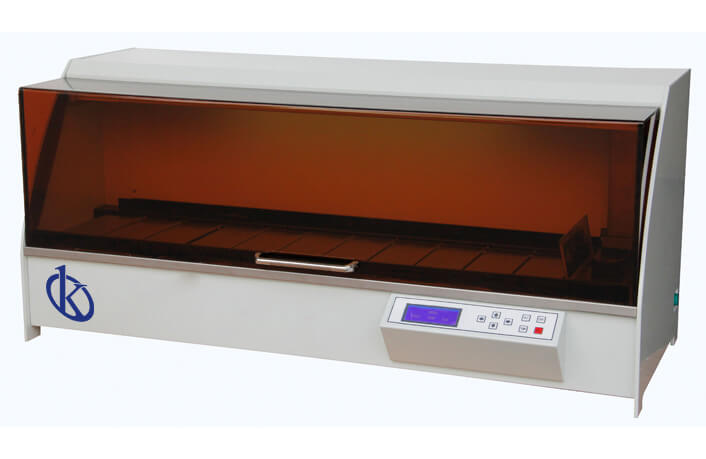
How to Achieve ISO/IEC Compliance in Tissue Processors for Laboratories
In today's regulatory environment, laboratory equipment must adhere to specific ISO/IEC standards to ensure quality and reliability. Tissue processors are crucial in pathological anatomy, and their compliance with norms such as ISO 17025 or IEC 61010 directly impacts laboratory efficacy. This article delves deep into these standards and compares several tissue processor models to guide laboratory professionals in making informed decisions.
Understanding ISO/IEC Standards Relevant to Tissue Processors
ISO/IEC standards dictate the operational and safety requirements for laboratory equipment. ISO 17025 outlines the general requirements for the competence of testing and calibration laboratories, ensuring their processes produce valid results. IEC 61010 focuses on the safety requirements for electrical equipment used in measurement, control, and laboratory settings. Understanding these standards is essential for any laboratory aiming to maintain regulatory compliance.
Model Overview for Tissue Processors
Several automated tissue processors in the market meet ISO/IEC requirements, each tailored for specific laboratory needs. The following models will be compared based on their compliance features and operational capabilities:
- Automated Fabric Processor YR431-1
- Automated Fabric Processor YR436-2
- Fabric Processor (Small) YR427
- Automated Fabric Processor YR428
- Automated Fabric Processor YR429
Comparison of Available Models
| Model | ISO/IEC Clauses Covered | Traceability Features | Best For |
|---|---|---|---|
| YR431-1 | ISO 17025, IEC 61010 | Integrated tracking system | Medium to large laboratories |
| YR436-2 | IEC 61010 | Basic traceability | Budget-conscious labs |
| YR427 | ISO 17025 | Memory program for protocols | Small labs with limited space |
| YR428 | ISO 17025, IEC 61010 | Automated alerts | Small laboratories needing quality sections |
| YR429 | ISO 17025, IEC 61010 | Advanced tracking capabilities | High-volume labs |
How Tissue Processors Support Regulatory Compliance
Tissue processors play a vital role in ensuring compliance with ISO/IEC standards. For instance, the YR431-1 model integrates advanced tracking systems that facilitate traceability of specimens, a critical requirement for ISO 17025 compliance. By implementing robust safety features, as mandated by IEC 61010, laboratories can enhance their operational safety and minimize risks associated with equipment malfunctions.
Documentation Requirements for Compliance
Proper documentation is essential for meeting ISO/IEC standards. Laboratories must maintain records of equipment calibration, operational procedures, and training sessions. The YR427 model, for example, features an integrated memory program that helps document operational parameters, facilitating easier compliance audits and inspections.
Common Mistakes and How to Avoid Them
Many laboratories fail to fully understand the nuances of ISO/IEC compliance, leading to oversight in operational practices. Common pitfalls include inadequate training of personnel on equipment use and failure to document compliance measures. To avoid these issues, laboratories should conduct regular training sessions and establish comprehensive documentation protocols.
Best Practices for Calibration and Maintenance
Regular calibration and maintenance of tissue processors are critical for compliance. Establishing a calibration schedule, such as annually for the YR431-1 and YR428 models, ensures that these devices operate within the required parameters. Labs should also maintain logs of all calibration activities to provide evidence during compliance checks.
Energy Efficiency and Sustainability in Compliance
In addition to operational compliance, laboratories must consider the environmental impact of their equipment. Models like the YR436-2 are designed for energy efficiency, which not only aids in regulatory compliance but also reduces operational costs. Implementing energy-saving practices can improve a lab’s sustainability profile while adhering to ISO standards.
Frequently Asked Questions
What are the key ISO standards for tissue processors in laboratories?
The key ISO standards for tissue processors include ISO 17025, which focuses on testing and calibration laboratories, and IEC 61010, which outlines safety requirements. Models like the YR431-1 and YR428 are designed to help laboratories meet these standards effectively.
How can I ensure my tissue processor meets ISO 17025 compliance?
To ensure ISO 17025 compliance, laboratories should implement stringent documentation practices, calibration schedules, and operational protocols. The YR427 model provides integrated memory features to support these compliance efforts effectively.
Which models have the best traceability features for laboratory compliance?
The YR431-1 and YR429 models offer advanced traceability features, allowing laboratories to maintain rigorous compliance with ISO standards. Their integrated tracking systems facilitate seamless documentation of specimen processing.
What are common errors when trying to comply with IEC standards?
Common errors include neglecting regular maintenance and calibration, as well as inadequate training of personnel. Utilizing models like the YR436-2, which have user-friendly interfaces, can help mitigate these risks through easier operation and management.
How does energy efficiency relate to ISO compliance in tissue processors?
Energy efficiency is increasingly important for ISO compliance, as it impacts operational costs and sustainability efforts. The YR436-2 model is a great example of a device designed to minimize energy consumption while maintaining compliance with operational standards.
What is the typical calibration schedule for a tissue processor?
A typical calibration schedule for tissue processors, such as the YR431-1 and YR428, is annually. Regular calibration ensures that the equipment maintains compliance with ISO/IEC standards and operates effectively.
How can I improve the efficiency of my tissue processing laboratory?
Improving efficiency can be achieved by optimizing the use of models like the YR431-1, which supports high specimen processing volumes and integrates automation features, significantly reducing turnaround times in tissue processing.
What features should I look for in a tissue processor to meet IEC compliance?
When looking for IEC-compliant tissue processors, consider features like safety mechanisms, operational controls, and energy efficiency. Models such as the YR428 offer robust safety features aligned with IEC standards, ensuring laboratory safety.
If you are looking for a fusion of innovation and quality, you have come to the right place. At Kalstein, we offer you the luxury of exploring our exclusive catalog of laboratory equipment. We manufacture every device to the highest standards of excellence. Our intuitive and seamless online purchasing channels are designed for your convenience, securing the most competitive prices. Hesitate no longer — we bring science to life, it is time to become part of our community.