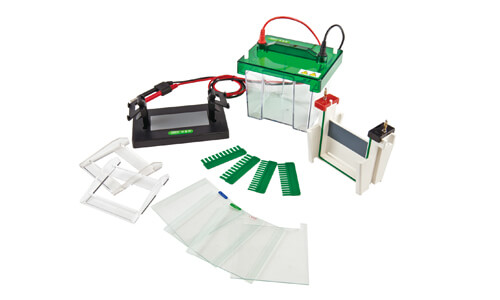
ISO/IEC Regulations and Compliance in Vertical Electrophoresis: A Comprehensive Guide
In the fast-evolving field of laboratory science, adherence to ISO/IEC standards is paramount for ensuring reliability, accuracy, and safety. This article delves into the requirements and implications of ISO/IEC regulations specifically in the context of vertical electrophoresis systems, an essential tool in protein analysis.
Understanding ISO/IEC Standards Relevant to Vertical Electrophoresis
The ISO/IEC 17025 standard is the most crucial for laboratories, outlining requirements for quality and competence in testing and calibration. This standard is vital for laboratories using vertical electrophoresis systems, as it dictates the necessary protocols to ensure accurate and reliable results.
Another important standard is ISO 15189, which focuses on medical laboratories, emphasizing the importance of quality management and technical competence. Compliance with these standards in vertical electrophoresis not only enhances the credibility of lab results but also ensures safety and efficacy in experiments.
Key ISO/IEC Clauses Addressed by Vertical Electrophoresis Systems
Vertical electrophoresis systems are designed to meet several key clauses of ISO/IEC standards. These include:
- Clause 5: Management Requirements - Ensures the laboratory has an effective management system to support its operations.
- Clause 6: Technical Requirements - Focuses on the technical competence of personnel and equipment used in testing.
- Clause 7: Process Requirements - Outlines the importance of maintaining traceability and proper documentation of results.
Comparison of Available Models
| Model | ISO/IEC Clauses Covered | Traceability Features | Best For |
|---|---|---|---|
| YR03425 | ISO 17025, ISO 15189 | Built-in calibration standards | Protein separation |
| YR03426 | ISO 15189 | Real-time monitoring | Multiple gel casting |
| YR03427 | ISO 17025 | Integrated documentation system | High-throughput analysis |
| YR03428 | ISO 15189 | Sample traceability | Clinical applications |
| YR03429 | ISO 17025 | Comprehensive audit trail | Research applications |
| YR03430 | ISO 17025, ISO 15189 | Automated logging | Rapid analysis |
Common Mistakes and How to Avoid Them
Many laboratories encounter pitfalls when aligning their practices with ISO/IEC standards. Common mistakes include inadequate documentation, failing to calibrate equipment regularly, and neglecting training for personnel. To avoid these issues, ensure your laboratory maintains comprehensive records, adheres to strict calibration schedules, and implements regular training sessions on compliance and safety procedures.
Traceability in Vertical Electrophoresis
Traceability is a critical aspect of compliance with ISO/IEC standards. It ensures that results can be linked back to recognized standards. In vertical electrophoresis, this means using calibrated equipment and maintaining clear records of all procedures and results.
Models like YR03427 and YR03429 provide features that facilitate traceability, such as integrated documentation systems and comprehensive audit trails, ensuring every step of the process is recorded and verifiable.
Documentation Requirements for Compliance
ISO/IEC standards require strict documentation to ensure all laboratory processes can be audited. This includes maintaining records of protocols, calibration data, and training certifications.
For example, the YR03426 model allows for real-time monitoring, which can be crucial for documenting changes and maintaining compliance with ISO 15189. Setting up a centralized documentation system can also streamline this process.
Calibration and Maintenance Protocols
Calibration is a necessary procedure to ensure the accuracy of vertical electrophoresis systems. The ISO/IEC standards recommend regular calibration intervals to maintain compliance.
For instance, a calibration schedule can be established as follows:
| Model | Calibration Frequency | Last Calibration Date | Next Scheduled Calibration |
|---|---|---|---|
| YR03425 | Monthly | 2023-10-01 | 2023-11-01 |
| YR03426 | Quarterly | 2023-09-15 | 2023-12-15 |
| YR03427 | Bi-Annually | 2023-08-30 | 2024-02-28 |
| YR03428 | Monthly | 2023-10-05 | 2023-11-05 |
| YR03429 | Bi-Annually | 2023-07-20 | 2024-01-20 |
| YR03430 | Monthly | 2023-10-10 | 2023-11-10 |
FAQs
How do ISO/IEC standards impact the use of vertical electrophoresis models in labs?
ISO/IEC standards ensure that vertical electrophoresis models like YR03425 and YR03430 operate with accuracy and reliability, which is crucial for scientific data integrity. Compliance with these standards enhances the credibility of laboratory results.
What are the common compliance issues faced in vertical electrophoresis laboratories?
Common compliance issues include inadequate documentation and failure to follow calibration protocols. Utilizing models like YR03427, which has integrated compliance features, can help mitigate these risks.
Which vertical electrophoresis model offers the best traceability for ISO compliance?
The YR03429 model offers robust traceability features, including comprehensive audit trails and integrated documentation systems, making it ideal for laboratories aiming for ISO compliance.
How can laboratories ensure proper calibration of vertical electrophoresis equipment?
Laboratories can establish a calibration schedule, as demonstrated in the calibration protocol section, ensuring that models like YR03426 and YR03430 are calibrated regularly to maintain compliance.
What documentation is required for ISO 17025 compliance in electrophoresis labs?
ISO 17025 compliance requires maintaining records of protocols, calibration data, and training certifications. Implementing a centralized documentation system can streamline this process, particularly for models like YR03428.
How can I optimize my vertical electrophoresis process for regulatory compliance?
Optimizing your vertical electrophoresis process involves adhering to ISO/IEC standards, regular equipment calibration, and ensuring proper documentation. Models such as YR03430 can facilitate compliance through automated logging features.
What are the best practices for maintaining ISO compliance in electrophoresis?
Best practices include regular training for staff, maintaining calibration schedules, and keeping detailed documentation of all processes. Utilizing compliant models like YR03427 can enhance laboratory practices.
If you are looking for a fusion of innovation and quality, you have come to the right place. At Kalstein, we offer you the luxury of exploring our exclusive catalog of laboratory equipment. We manufacture every device to the highest standards of excellence. Our intuitive and seamless online purchasing channels are designed for your convenience, securing the most competitive prices. Hesitate no longer — we bring science to life, it is time to become part of our community.