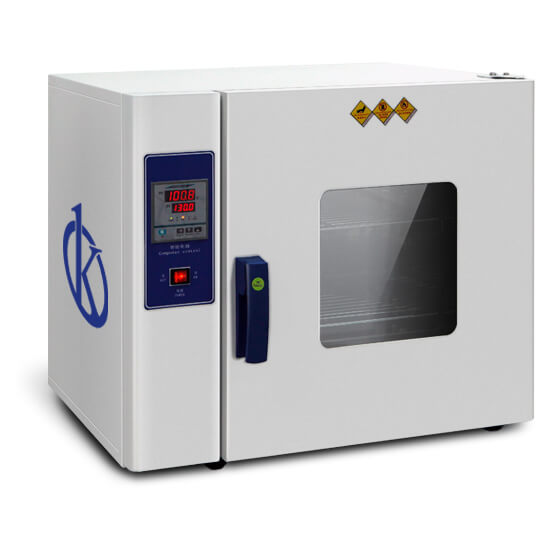
Understanding ISO/IEC Standards and Regulatory Compliance in Laboratory Drying Ovens
Laboratories increasingly face stringent quality assurance requirements, driven by ISO/IEC standards and regulatory frameworks. Among critical equipment, drying ovens play a fundamental role in ensuring reliable results in various applications, including drying, sterilization, and thermal treatment. This article will delve into the importance of ISO/IEC compliance in laboratory drying ovens, discussing specific standards, key features of various models, and practical use cases.
ISO/IEC Standards: A Foundation for Laboratory Practices
ISO/IEC standards provide a framework for quality assurance and consistency in laboratories. These guidelines ensure that equipment, processes, and personnel meet specified requirements. For drying ovens, compliance with standards such as ISO 17025 and IEC 61010 is vital for ensuring accuracy and safety in laboratory operations.
The Role of ISO 17025 in Laboratory Drying Ovens
ISO 17025 outlines the general requirements for the competence of testing and calibration laboratories. Compliance with this standard ensures that drying ovens produce reliable and reproducible results. Key aspects include:
- Traceability of measurements
- Regular calibration and maintenance protocols
- Documented operational procedures
For instance, using models like the Electric Heating Drying Stove YR05244 can help labs maintain compliance through precise temperature control and built-in calibration features.
IEC 61010: Safety and Performance Standards
IEC 61010 addresses safety requirements for electrical equipment in laboratory settings. Compliance ensures that drying ovens are safe to operate and minimizes risks of overheating or electrical failure.
Features such as over-temperature alarms and insulated casings in models like the Electric Heating Drying Stove YR05247 are essential for adhering to these safety standards.
Comparison of Available Models
| Model | Temperature Range (℃) | Precision (℃) | Voltage (V) | Price (USD) | Best for |
|---|---|---|---|---|---|
| YR05244 | RT+5~250 | ±0.1 | 220 | 295.00 | Uniform temperature applications |
| YR05245 | RT+5~250 | ±0.1 | 220 | 364.00 | Routine drying tasks |
| YR05246 | RT+5~250 | ±0.1 | 220 | 486.00 | Heavy-duty laboratory use |
| YR05247 | RT+5~250 | ±0.1 | 220 | 598.00 | High-precision drying |
| YR05248-A | RT+5~250 | ±1 | 220 | 162.00 | Cost-effective routine use |
| YR05249-A | RT+5~250 | ±1 | 220 | 180.00 | Versatile laboratory tasks |
Common Mistakes and How to Avoid Them
When operating drying ovens, laboratories often make several common mistakes that can lead to compliance issues and unsafe conditions:
- Overlooking Calibration: Regular calibration is essential for precision. Schedule periodic checks using certified standards.
- Improper Use: Ensure that operators are trained on safe operating procedures and understand the specifications of each model.
- Neglecting Documentation: Maintain thorough records of usage, maintenance, and calibration to ensure compliance with ISO/IEC standards.
Predictive Maintenance and Calibration Strategies
Predictive maintenance for drying ovens involves monitoring performance to prevent failures. Establishing a calibration schedule can help maintain high operational standards. Below is a sample calibration schedule:
| Model | Calibration Frequency | Standard Used |
|---|---|---|
| YR05244 | Every 6 months | ISO 17025 |
| YR05245 | Every 6 months | ISO 17025 |
| YR05246 | Annually | ISO 17025 |
| YR05247 | Annually | ISO 17025 |
| YR05248-A | Every 6 months | ISO 17025 |
| YR05249-A | Every 6 months | ISO 17025 |
Frequently Asked Questions
What are the benefits of using ISO 17025 compliant drying ovens in laboratories?
ISO 17025 compliant drying ovens, such as the YR05244, ensure high precision and reliability in test results. Compliance aids in maintaining traceability and enhances the laboratory's credibility in producing valid results.
How can laboratories ensure drying ovens meet IEC 61010 safety standards?
To meet IEC 61010 safety standards, laboratories must regularly inspect drying ovens like the YR05247 for safety features, including over-temperature alarms and proper insulation, ensuring safe operation during use.
What calibration protocols should be followed for drying ovens according to ISO standards?
Calibration protocols for drying ovens, including models like YR05245, should follow ISO 17025 guidelines, ensuring regular checks and adjustments to maintain accuracy within the specified temperature range.
How do regulatory compliance issues affect laboratory drying oven operations?
Regulatory compliance issues can lead to operational suspensions. Using models like YR05246, which adhere to specific ISO standards, helps mitigate risks associated with non-compliance, ensuring smooth lab operations.
What are common temperature ranges for laboratory drying ovens under ISO compliance?
Common temperature ranges for ISO compliant laboratory drying ovens are typically RT+5 to 250 °C. Models like YR05248-A provide versatility in handling various drying applications within this range.
How often should drying ovens be calibrated to maintain ISO compliance?
Drying ovens should generally be calibrated every 6 to 12 months depending on usage intensity. For example, the YR05244 model should be calibrated every 6 months to ensure compliance with ISO 17025 standards.
If you are looking for a fusion of innovation and quality, you have come to the right place. At Kalstein, we offer you the luxury of exploring our exclusive catalog of laboratory equipment. We manufacture every device to the highest standards of excellence. Our intuitive and seamless online purchasing channels are designed for your convenience, securing the most competitive prices. Hesitate no longer — we bring science to life, it is time to become part of our community.