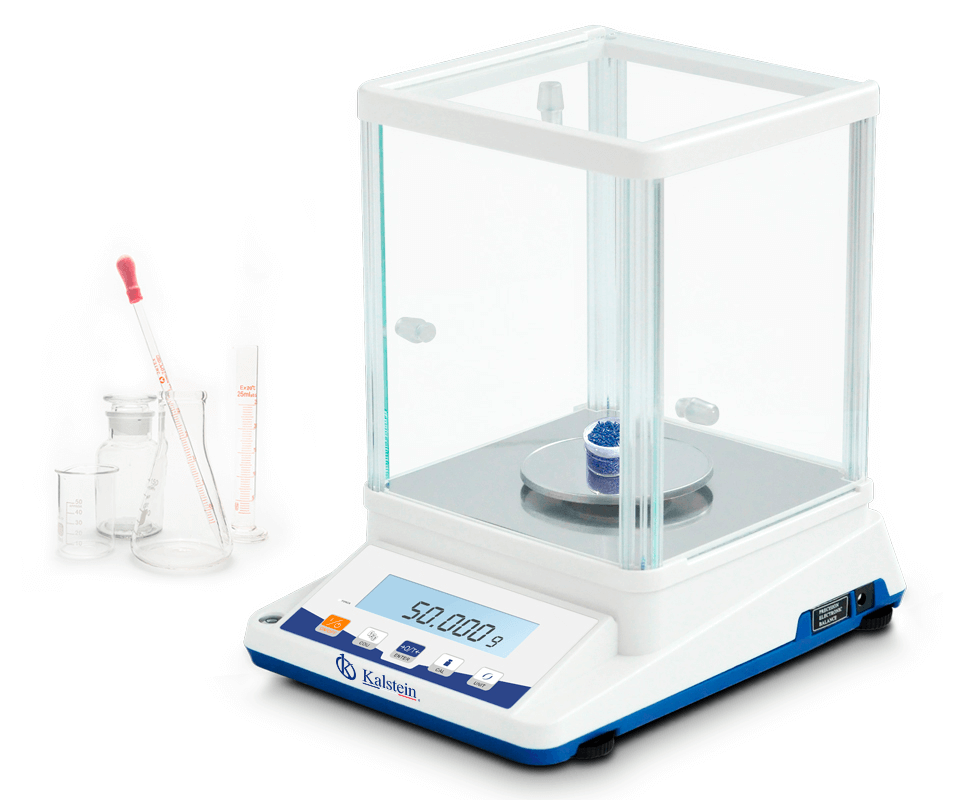
Understanding ISO/IEC Standards and Regulatory Compliance in Laboratory Precision Balances
In laboratory settings, precision balances play a vital role in ensuring accurate measurements that meet strict regulatory compliance standards. The ISO/IEC standards, particularly ISO 17025, define the requirements for testing and calibration laboratories, directly impacting how precision balances are operated, maintained, and validated. This article delves into various aspects of ISO/IEC norms related to precision balances, focusing on how to achieve compliance while ensuring optimal laboratory performance.
ISO/IEC Standards Overview and Their Importance
The ISO/IEC 17025 standard specifies the general requirements for the competence of testing and calibration laboratories. It is essential for laboratories seeking to demonstrate their ability to produce valid and reliable results. Compliance with these standards ensures that laboratory operations are consistent and reliable, which is critical for maintaining quality assurance in laboratory measurements.
Key ISO/IEC Standards Relevant to Precision Balances
Several ISO/IEC standards specifically affect the operation and calibration of precision balances:
- ISO 17025: This standard outlines the necessary management and technical requirements for laboratories to ensure accurate results.
- IEC 61010: Specifies safety requirements for electrical equipment used in measurement, control, and laboratory environments.
- ISO 15189: Provides specific quality and competence requirements for medical laboratories, including the use of balances in clinical settings.
How Precision Balances Meet ISO/IEC Compliance
To align with ISO/IEC standards, precision balances must have features that enhance measurement reliability and safety. Models such as:
- Precision Balance YR05584: Offers a dual display option and overload alarm, ensuring compliance with safety regulations.
- Precision Balance YR05585: With a capacity of 210g and high readability, this model supports precise measurements essential for laboratories.
- Precision Balance YR05588: It features a stainless steel pan and overload alarm, crucial for maintaining compliance in high-stakes environments.
Comparison of Available Models
| Model | ISO/IEC Clauses Covered | Traceability Features | Best For |
|---|---|---|---|
| YR05584 | ISO 17025, IEC 61010 | External calibration | General laboratory use |
| YR05585 | ISO 17025, IEC 61010 | Dual calibration | Clinical applications |
| YR05586 | ISO 17025, IEC 61010 | External calibration | Research environments |
| YR05587 | ISO 17025, IEC 61010 | Internal calibration | High precision tasks |
| YR05588 | ISO 17025, IEC 61010 | External calibration | Field applications |
| YR05589 | ISO 17025, IEC 61010 | Manual calibration | General lab settings |
Documentation Requirements for Compliance
Documenting processes and maintaining records is crucial for compliance with ISO/IEC standards. This includes calibration records, measurement reports, and maintenance logs. Each precision balance model must have proper documentation to ensure traceability and repeatability of results.
Common Mistakes and How to Avoid Them
One common mistake laboratories make is neglecting regular calibration of precision balances. It's vital to follow a calibration schedule that aligns with ISO/IEC 17025 requirements to avoid discrepancies in measurements. Additionally, laboratories often fail to maintain complete records, which can lead to issues during audits. Implementing robust documentation practices can help mitigate these risks.
Best Practices for Maintaining Compliance
To ensure compliance with ISO/IEC standards, laboratories should adopt best practices such as:
- Regular calibration and maintenance of precision balances.
- Implementing a robust quality management system.
- Training personnel on compliance requirements and operational procedures.
Frequently Asked Questions
How do I ensure my precision balance meets ISO 17025 requirements?
To ensure compliance with ISO 17025, perform regular calibration of models like YR05584, maintain detailed records of operations, and adhere to traceability procedures. This helps guarantee measurement accuracy and reliability.
What are the calibration intervals for precision balances under IEC 61010?
Calibration intervals for precision balances, such as YR05587, should be conducted at least once a year or whenever there is a change in the environment that may affect measurements, per IEC 61010.
How can I document compliance for precision balances in the laboratory?
Documentation for compliance involves maintaining calibration records, operational procedures, and quality control logs for each precision balance model like YR05585. This ensures traceability and accountability during audits.
Which ISO/IEC standards apply to laboratory precision balances?
Laboratory precision balances are primarily governed by ISO 17025 and IEC 61010. Models like YR05586 and YR05588 must align with these standards to ensure accuracy and safety in measurements.
What role does traceability play in using precision balances?
Traceability is vital in ensuring that measurements from precision balances, such as the YR05584, can be attributed to recognized standards, enhancing the reliability of results and compliance with ISO/IEC regulations.
How often should I calibrate my precision balance to remain compliant?
To remain compliant, calibration of precision balances like YR05589 is recommended at least annually, or more frequently if conditions change, following the guidelines of ISO 17025.
What features should I look for in a precision balance for ISO compliance?
Look for features that support compliance, such as overload alarms and dual calibration options available in models like YR05585, which enhance measurement accuracy and safety.
How can I integrate precision balances into my laboratory's quality management system?
Integrate precision balances like YR05586 into your quality management system by establishing protocols for calibration, routine checks, and documentation, ensuring adherence to ISO standards.
If you are looking for a fusion of innovation and quality, you have come to the right place. At Kalstein, we offer you the luxury of exploring our exclusive catalog of laboratory equipment. We manufacture every device to the highest standards of excellence. Our intuitive and seamless online purchasing channels are designed for your convenience, securing the most competitive prices. Hesitate no longer — we bring science to life, it is time to become part of our community.