Navigating ISO/IEC Standards and Regulatory Compliance in Veterinary Surgical Tools
In the veterinary surgical field, compliance with ISO/IEC standards is essential to ensure that surgical tools not only meet safety and quality benchmarks but also enhance the effectiveness of veterinary procedures. This article delves into the specific ISO/IEC standards relevant to veterinary surgical tools, the importance of regulatory compliance, and how specific models can help achieve these standards.
Understanding ISO/IEC Standards in Veterinary Surgery
ISO/IEC standards provide frameworks for quality, safety, and efficiency in veterinary surgical practices. For example, ISO 17025 outlines the requirements for laboratories to ensure consistent and reliable results. Compliance with these standards is crucial for veterinary practices aiming to deliver high-quality care. Standards such as ISO 15189 focus on the quality management systems in the medical laboratory sector, emphasizing the need for accurate and reliable testing, which is particularly relevant in surgical applications.
Regulatory Compliance: Importance and Implications
Regulatory compliance in veterinary surgery not only ensures safety and quality but also protects the facility from legal consequences. Compliance with ISO/IEC standards promotes trust among clients and enhances the facility's reputation. Moreover, adhering to these standards can improve operational efficiency, reduce costs, and increase the overall quality of veterinary services.
Key ISO/IEC Standards for Veterinary Surgical Tools
Several ISO/IEC standards are crucial for veterinary surgical tools:
- ISO 13485: This standard specifies requirements for a quality management system where an organization needs to demonstrate its ability to provide medical devices and related services consistently.
- ISO 15189: Focuses on the quality management in medical laboratories, ensuring consistency in laboratory testing and results.
- IEC 61010: Covers safety requirements for electrical equipment used in medical environments, ensuring that veterinary tools are safe for both animals and operators.
How Veterinary Surgical Tools Comply with ISO/IEC Standards
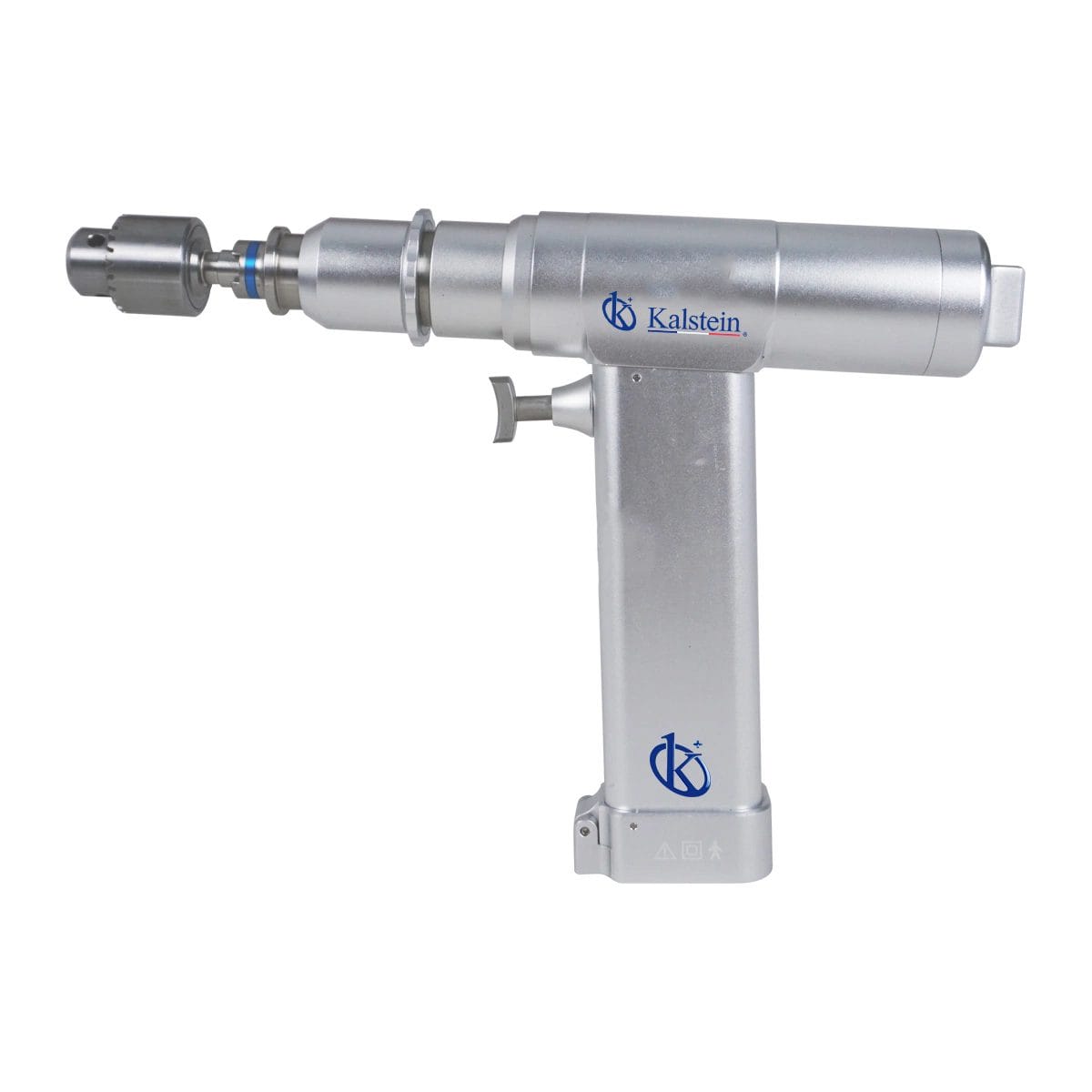
Modern veterinary surgical tools are designed with compliance in mind. For instance, the Electric Multifunction Tool for Veterinary Surgery YR06126 integrates multiple functionalities suitable for various surgical applications, adhering to ISO standards related to safety and quality. Its ergonomic design and efficient performance contribute to compliance with ISO 13485, ensuring that it meets quality management standards.
Similarly, the Micro/Mini Multifunctional Veterinary Tool for Small Animals YR06127 is designed to be lightweight and durable, which is essential for compliance with quality management standards. Its fast mandrel and ergonomic design enhance operational efficiency, which is a significant aspect of regulatory compliance.
Comparison of Available Models
| Model | ISO/IEC Clauses Covered | Traceability Features | Best For |
|---|---|---|---|
| YR06126 | ISO 13485, ISO 15189 | Advanced tracking system for maintenance and calibration | Joint and cardiac surgeries |
| YR06127 | ISO 13485 | Integrated calibration logs | Small animal surgeries |
| YR06128 | IEC 61010 | Compliance documentation | TPLO surgeries in dogs |
Common Mistakes and How to Avoid Them
In the pursuit of ISO/IEC compliance, veterinary hospitals often make several common mistakes:
- Neglecting Documentation: Failing to maintain detailed records of compliance can lead to serious consequences. Implementing a robust documentation process for all surgical tools is essential.
- Overlooking Training: Staff should be adequately trained on compliance protocols and the proper use of surgical tools to ensure safety and quality.
- Ignoring Updates: Regularly reviewing and updating compliance practices to align with the latest ISO/IEC standards is crucial for ongoing certification.
Frequently Asked Questions
What ISO standards should be considered when selecting veterinary surgical tools?
When selecting veterinary surgical tools, consider ISO 13485 for quality management and ISO 15189 for laboratory standards. For instance, the Electric Multifunction Tool for Veterinary Surgery YR06126 is designed to meet these standards, ensuring quality and safety.
How does the compliance of veterinary surgical tools impact animal safety?
Compliance with ISO/IEC standards enhances animal safety by ensuring that tools are designed and maintained according to high-quality standards. For example, the Veterinary TPLO Saw YR06128 adheres to IEC 61010, promoting safety during procedures.
Which models are best for achieving compliance with ISO 13485?
The Electric Multifunction Tool for Veterinary Surgery YR06126 and Micro/Mini Multifunctional Veterinary Tool for Small Animals YR06127 are both designed to meet the requirements of ISO 13485, making them excellent choices for compliance in veterinary surgical settings.
What are the key features to look for in ISO-compliant surgical tools?
Key features include ergonomic design, integrated calibration logs, and robust maintenance tracking systems. The Micro/Mini Multifunctional Veterinary Tool for Small Animals YR06127 exemplifies these features, ensuring compliance and user comfort.
How do veterinary surgical tools ensure traceability in compliance?
Surgical tools like the Electric Multifunction Tool for Veterinary Surgery YR06126 feature advanced tracking systems that document maintenance and calibration, ensuring compliance with traceability standards required by ISO/IEC.
What is the impact of ISO compliance on veterinary practice costs?
ISO compliance can reduce costs over time by minimizing errors and enhancing operational efficiency. Tools such as the Veterinary TPLO Saw YR06128 help achieve compliance, potentially lowering long-term spending through improved outcomes.
How often should veterinary surgical tools be tested for compliance?
Veterinary surgical tools should be tested regularly, according to the schedule outlined in ISO standards. Typically, tools like the Micro/Mini Multifunctional Tool for Small Animals YR06127 require testing every six months to ensure ongoing compliance.
What are the benefits of using ISO-compliant veterinary surgical tools?
Using ISO-compliant tools ensures safety, increases operational efficiency, and enhances the quality of care provided to animals. For instance, the Electric Multifunction Tool for Veterinary Surgery YR06126 supports these benefits through its multifunctional design.
If you are looking for a fusion of innovation and quality, you have come to the right place. At Kalstein, we offer you the luxury of exploring our exclusive catalog of laboratory equipment. We manufacture every device to the highest standards of excellence. Our intuitive and seamless online purchasing channels are designed for your convenience, securing the most competitive prices. Hesitate no longer — we bring science to life, it is time to become part of our community.