How to Achieve Effective LIMS Integration with Bath Circulators
In the modern laboratory, the integration of laboratory instruments with Laboratory Information Management Systems (LIMS) is crucial for streamlining workflows and enhancing data management. Bath circulators, such as the YR04985, YR04999, YR04996, YR04988, and others, play an essential role in providing precise temperature control for various applications. This article delves into how effective LIMS integration with bath circulators can optimize laboratory operations, improve data accuracy, and ensure regulatory compliance.
Understanding LIMS Integration for Bath Circulators
LIMS integration involves connecting laboratory instruments to a central system that manages samples, associated data, and workflows. For bath circulators, this integration ensures that temperature readings, run times, and other critical parameters are automatically recorded within the LIMS. Such a connection minimizes manual data entry errors and enhances overall efficiency. Models like the YR04999, known for its PID control and efficient cooling capabilities, are particularly well-suited for this integration.
Benefits of LIMS Integration with Bath Circulators
Integrating bath circulators with LIMS provides several significant benefits. Firstly, it facilitates real-time monitoring and control of temperature adjustments, critical for experiments requiring high precision. Secondly, it enhances compliance with standards like ISO 17025 by ensuring that all temperature data is accurately logged and traceable. Lastly, it improves laboratory productivity by allowing staff to allocate more time to critical tasks, as automated data collection reduces the burden of manual logging.
Key Features to Look for in Bath Circulators for LIMS Integration
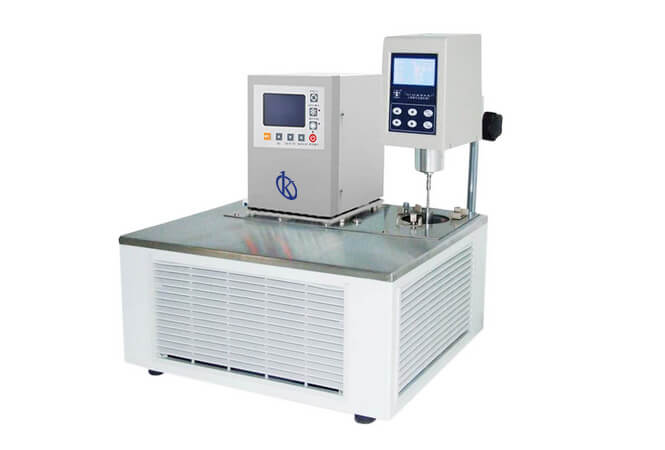
When selecting bath circulators for LIMS integration, consider models that offer robust connectivity options. The YR04985 features an advanced LCD display for clear parameter monitoring and has built-in protections against overheating. Additionally, the YR04996 has high-efficiency compressors and alarms for low water levels, ensuring consistent operation without interruption. Such features greatly simplify integration into your LIMS.
Common LIMS Integration Protocols for Bath Circulators
For successful LIMS integration, bath circulators must support common data communication protocols. These may include HL7, ASTM, and RESTful APIs. The YR04999 model, for instance, can be configured to communicate via standard protocols, ensuring seamless data exchange between the circulator and the LIMS. Understanding these protocols is crucial for achieving a reliable integration that meets your lab's specific needs.
Comparison of Available Models
| Model | Temperature Range (°C) | Stability (°C) | Flow Rate (L/min) | Best for |
|---|---|---|---|---|
| YR04985 | -5 ~ 99.9 | ±0.1 | Not specified | Viscometer applications |
| YR04999 | -30 ~ 100 | ±0.05 | 14 | General laboratory applications |
| YR04996 | -5 ~ 100 | ±0.05 | 30 | Electronic component testing |
| YR04988 | -20 ~ 100 | ±0.05 | Not specified | Life sciences experiments |
| YR04989 | -30 ~ 100 | ±0.05 | Not specified | Chemical synthesis |
Common Mistakes and How to Avoid Them
When integrating bath circulators with LIMS, laboratories often encounter several common pitfalls. A frequent error is selecting models without verifying their compatibility with existing LIMS protocols, which can lead to data silos and inefficiencies. Additionally, failing to properly configure alarm settings, such as those in the YR04999, can result in equipment failure and data loss. Always ensure thorough testing and validation of the integration process to avoid these issues.
Frequently Asked Questions
How does LIMS integration enhance data accuracy in bath circulators?
LIMS integration improves data accuracy in bath circulators by automating data entry, thus minimizing human error. For instance, the YR04996 model can send real-time temperature readings directly to the LIMS, ensuring all data is logged accurately and consistently.
Which protocols should be used for LIMS integration with bath circulators?
Common protocols for LIMS integration include HL7 and ASTM. Models like the YR04999 are equipped with these protocols, facilitating seamless data exchange and helping laboratories maintain compliance with standards such as ISO 17025.
How can I ensure compliance with regulatory standards using bath circulators?
To ensure compliance, select bath circulators like the YR04985 that feature built-in temperature logging and stability controls. Integrating these models with LIMS allows for easier tracking of compliance with ISO standards, as all data is automatically recorded and readily accessible.
What are the benefits of PID control in bath circulators?
PID control in bath circulators, such as the YR04999, allows for precise temperature regulation, reducing fluctuations that can affect experimental results. This feature is essential for maintaining consistent conditions in sensitive laboratory applications.
How do high flow rates impact laboratory efficiency with bath circulators?
High flow rates, like those offered by the YR04996, enhance laboratory efficiency by ensuring rapid temperature stabilization and consistent delivery of heated or cooled fluids. This efficiency is crucial for time-sensitive experiments in various fields.
What are the implications of using stainless steel in bath circulators?
Stainless steel construction, as seen in models like the YR04988, provides durability and resistance to corrosion, which is vital for maintaining equipment integrity over time. This durability ensures that the bath circulator can operate effectively in demanding laboratory environments.
How can I optimize temperature control in my laboratory using bath circulators?
Optimizing temperature control can be achieved by selecting bath circulators with advanced features such as PID control and real-time monitoring capabilities. The YR04985 model excels in these areas, allowing for precise adjustments and consistent experimental conditions.
What is the cost-benefit ratio of integrating bath circulators with a LIMS?
The cost-benefit ratio of integrating bath circulators with a LIMS is favorable due to increased efficiency and reduced manual labor. By automating data collection with models like YR04999, laboratories can save time and reduce errors, leading to improved productivity.
If you are looking for a fusion of innovation and quality, you have come to the right place. At Kalstein, we offer you the luxury of exploring our exclusive catalog of laboratory equipment. We manufacture every device to the highest standards of excellence. Our intuitive and seamless online purchasing channels are designed for your convenience, securing the most competitive prices. Hesitate no longer — we bring science to life, it is time to become part of our community.