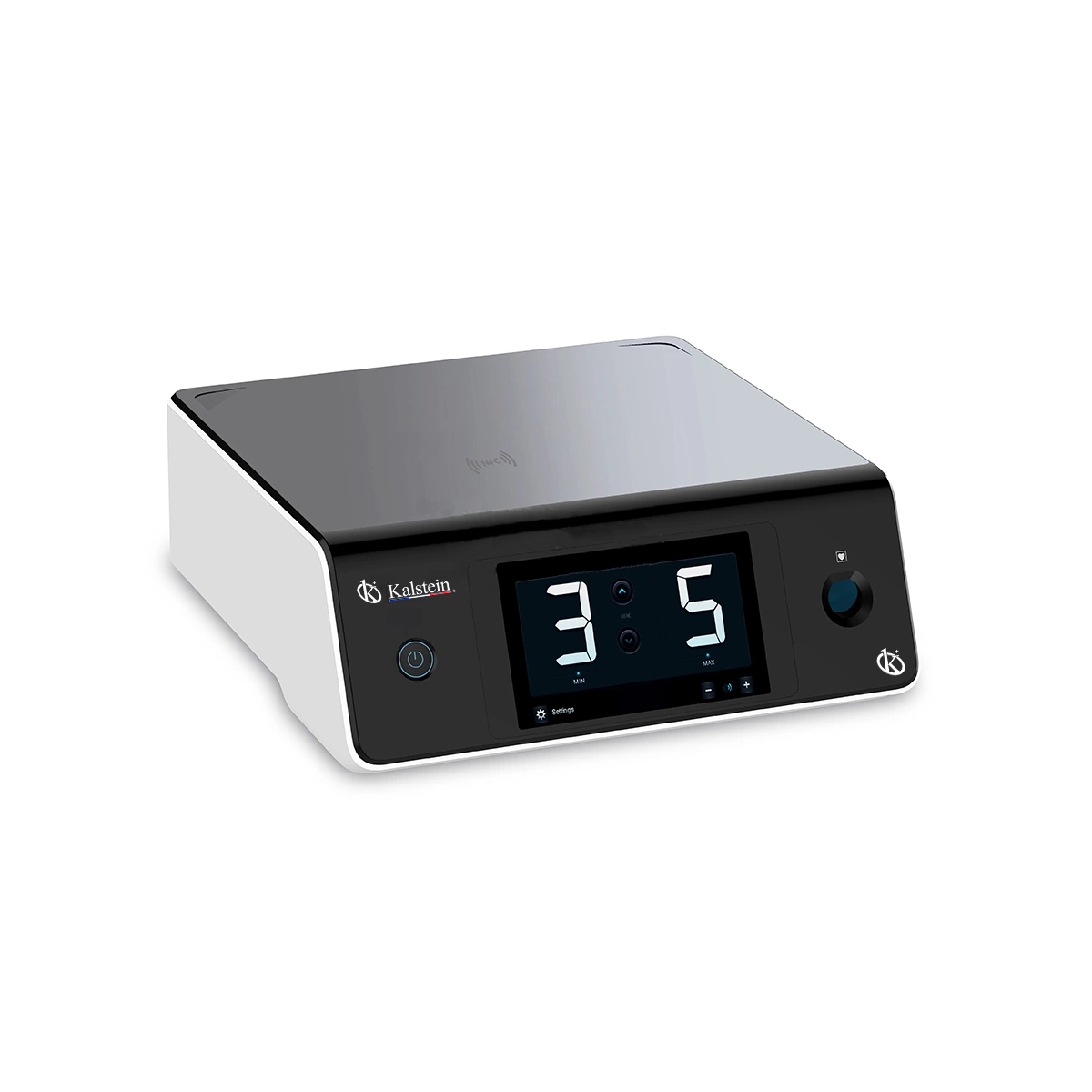
LIMS Integration and Data Flow Digitalization in Veterinary Electrosurgical Units
In the evolving landscape of veterinary surgical practices, the integration of Laboratory Information Management Systems (LIMS) is increasingly becoming a cornerstone for operational efficiency. Veterinary electrosurgical units (ESUs) are essential tools that facilitate a range of surgical procedures, and as practices become more digitized, the need for enhanced data flow and management has never been more critical. This article delves into the various models of veterinary electrosurgical units and their capabilities in integrating with LIMS, focusing on their impact on data management, operational efficiency, and patient outcomes.
Understanding LIMS Integration in Veterinary Electrosurgical Units
LIMS integration is vital in veterinary practices for streamlining data flow and ensuring seamless management of surgical information. By digitizing information, veterinary practices can automate various processes, reduce errors, and enhance overall efficiency. This section focuses on how LIMS can interact with different veterinary electrosurgical units, allowing for data collection, analysis, and reporting that can significantly improve surgical workflows.
Benefits of Integrating LIMS with Veterinary Electrosurgical Units
Integrating LIMS with veterinary electrosurgical units offers numerous advantages including improved data accuracy, faster access to patient records, and enhanced reporting capabilities. For instance, models like the Veterinary Ultrasonic Scalpel YR06129 can track changes in tissue effectively during surgeries, and when connected with a LIMS, this data can be recorded automatically, minimizing the risk of human error.
Key Technologies Supporting LIMS Integration
Modern LIMS systems utilize various technologies such as HL7 and RESTful APIs to ensure efficient data exchange between equipment and databases. Veterinary electrosurgical units that offer these capabilities can significantly improve data interoperability and ease of access. For example, the Veterinary Blood Vessel Sealing Generator YR06130 supports data reporting that can be directly integrated into a LIMS for more streamlined data management.
Comparison of Available Models
| Model | Connectivity | Protocols Supported | Integration Effort | Best For |
|---|---|---|---|---|
| YR06129 | USB, Serial | HL7, ASTM | Medium | Soft tissue surgeries |
| YR06130 | Wi-Fi, USB | REST API | Low | General surgeries |
| YR06131 | Bluetooth | HL7 | High | Laparoscopic procedures |
| YR06132 | Wired | Custom Protocols | Medium | Open surgeries |
| YR06133 | Wireless | API Integration | Low | Portable surgeries |
| YR06134 | USB | REST API | Medium | Mobile surgeries |
Common Mistakes and How to Avoid Them
When integrating LIMS with veterinary electrosurgical units, common mistakes can hinder the overall efficiency of the system. One such error is underestimating the importance of proper training for staff on both the electrosurgical equipment and the LIMS software. Additionally, not evaluating the compatibility of the electrosurgical units, such as the Vascular Blood Vessel Sealing Generator (YR06131), with existing LIMS systems can lead to operational challenges. Ensuring thorough testing and validation of the integration process is crucial for a successful implementation.
Exploring Data Flow Digitalization in Veterinary Electrosurgery
Data flow digitalization is a transformative process that enhances surgical practices by ensuring that all relevant data is captured and analyzed effectively. In veterinary electrosurgery, this means that every incision and tissue response can be monitored and recorded in real-time, leading to better outcomes. Models like the Veterinary Electrosurgical Unit YR06132 are designed to enable such data capture, which can then be utilized for post-operative analysis and continuous improvement of surgical techniques.
Impact of Real-Time Data on Surgical Outcomes
The ability to gather real-time data during surgical procedures allows veterinary professionals to make informed decisions quickly. For instance, the Portable Diode Laser System for Veterinary Surgery (YR06133) can provide immediate feedback on tissue response during laser applications, which, when integrated with a LIMS, allows for adjustments on-the-fly to enhance patient safety and surgical efficacy.
Frequently Asked Questions
What are the essential features of LIMS-integrated veterinary electrosurgical units?
Essential features include real-time data capture, automated reporting, and connectivity protocols like HL7 and REST. For example, the Veterinary Blood Vessel Sealing Generator YR06130 is designed to streamline data integration, facilitating better surgical decision-making.
How can I optimize data management with veterinary electrosurgical units?
To optimize data management, choose units like the Veterinary Ultrasonic Scalpel YR06129 that support seamless integration with LIMS. This allows for automated data entry and reduces the likelihood of errors during surgical procedures.
What role does data flow digitalization play in veterinary surgeries?
Data flow digitalization enhances the accuracy and efficiency of surgical procedures, enabling real-time monitoring and documentation. The Veterinary Electrosurgical Unit YR06132 exemplifies how such systems can improve surgical outcomes through better data management.
Which veterinary electrosurgical unit is best for LIMS integration?
The Veterinary Blood Vessel Sealing Generator YR06130 is an excellent choice for LIMS integration due to its support for various connectivity options and ease of use, promoting efficient data management during surgeries.
How can LIMS improve the operational efficiency of veterinary practices?
LIMS can improve operational efficiency by automating data entry, streamlining workflows, and providing real-time access to patient data. Integrating it with models like the Veterinary Ultrasonic Scalpel YR06129 can enhance the surgical process significantly.
What challenges might arise during LIMS integration with electrosurgical units?
Challenges include compatibility issues between software and hardware, inadequate staff training, and the need for robust data validation. Choosing models like the Vascular Blood Vessel Sealing Generator (YR06131) that are designed for integration can mitigate some of these risks.
What are the cost implications of integrating LIMS with veterinary surgeries?
Integrating LIMS can involve initial costs related to software, hardware, and training. However, models like the Veterinary Electrosurgical Unit YR06132 can lead to long-term savings by improving operational efficiency and reducing errors.
How can I assess the ROI of LIMS integration in my veterinary practice?
To assess ROI, analyze metrics such as time saved, reduction in errors, and improved patient outcomes. Veterinary units such as the Portable Diode Laser System (YR06133) help gather data to evaluate these metrics effectively.
If you are looking for a fusion of innovation and quality, you have come to the right place. At Kalstein, we offer you the luxury of exploring our exclusive catalog of laboratory equipment. We manufacture every device to the highest standards of excellence. Our intuitive and seamless online purchasing channels are designed for your convenience, securing the most competitive prices. Hesitate no longer — we bring science to life, it is time to become part of our community.