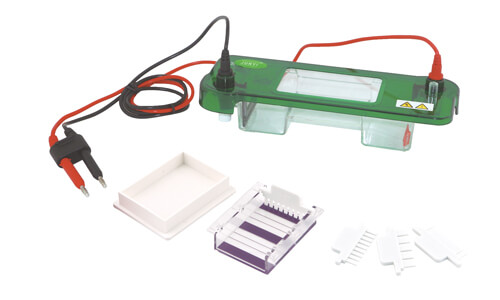
How to Achieve Seamless LIMS Integration with Horizontal Electrophoresis Systems
In the fast-evolving landscape of laboratory operations, the integration of Horizontal Electrophoresis systems with Laboratory Information Management Systems (LIMS) has become a pivotal focus for enhancing data flow and operational efficiency. This article delves into the best practices for achieving this integration, the models available in the Horizontal Electrophoresis category, and how they can optimize your laboratory workflow.
Introduction to Horizontal Electrophoresis and LIMS Integration
Horizontal Electrophoresis is widely used in various laboratory settings for DNA and RNA analysis. The integration of these systems with LIMS allows for improved data management, traceability, and streamlined laboratory workflows. This section will outline the significance of LIMS integration and the benefits it provides to laboratories that utilize horizontal electrophoresis systems.
Benefits of LIMS Integration with Horizontal Electrophoresis
Integrating LIMS with Horizontal Electrophoresis systems benefits laboratories in multiple ways:
- Improved Data Management: LIMS provides a centralized data repository, reducing the risk of data loss and improving access to information.
- Enhanced Traceability: Integration allows for better tracking of samples and results, ensuring compliance with industry standards.
- Streamlined Workflow: Automating data entry and result reporting minimizes human error and saves time.
Key Features of Horizontal Electrophoresis Models
The following models of Horizontal Electrophoresis equipment are prominent in the market, each offering unique specifications that make them suitable for integration with LIMS:
- Horizontal Electrophoresis Cell YR03415: This model features a gel size of 186x205mm and a sample volume capacity of 3, 5, or 9. It is ideal for various electrophoresis experiments.
- Horizontal Electrophoresis YR03416: With a gel size of 78x100mm and a sample volume capacity of 10 or 15, this model is designed for more focused experiments and supports a larger buffer volume.
- Horizontal Electrophoresis YR03417: This versatile model supports multiple gel sizes and sample volumes, allowing for flexibility in experimental design.
- Horizontal Electrophoresis YR03418: With a maximum buffer volume of 900ml, this model is suitable for larger experiments, enhancing the efficiency of DNA analysis.
- Horizontal Electrophoresis YR03419: Ideal for labs requiring flexibility, this model supports various gel sizes and offers robust design features for durability.
- Horizontal Electrophoresis YR03420: This model is designed for large-scale analyses, boasting high sample capacity and substantial buffer volume, making it perfect for high-throughput environments.
Comparison of Available Models
| Model | Gel Size (mm) | Sample Volume | Buffer Volume (ml) | Dimensions (mm) | Net Weight (Kg) |
|---|---|---|---|---|---|
| YR03415 | 186x205 | 3, 5, 9 | ~150 | 250 x 90 x 50 | 0.4 |
| YR03416 | 78x100 | 10, 15 | ~400 | 365 x 105 x 55 | 0.6 |
| YR03417 | Various | 3, 6, 8, 11, 13, 18, 25 | ~550 | 300 x 160 x 75 | 1.1 |
| YR03418 | Various | 1, 2, 3, 6, 14, 8, 17, 13, 29 | ~900 | 390 x 187 x 63 | 2.0 |
| YR03419 | Various | 3, 5, 10, 15, 13, 26 | ~600 | 305 x 152 x 80 | 1.7 |
| YR03420 | Various | 17, 22, 36, 44 | ~1,800 | 397 x 230 x 93 | 3.3 |
Common Mistakes and How to Avoid Them
Laboratories often encounter pitfalls during the integration of Horizontal Electrophoresis with LIMS. Here are common mistakes and strategies to avoid them:
- Ignoring Compatibility: Ensure that the electrophoresis model is compatible with your existing LIMS software. Conduct thorough checks of supported protocols.
- Overlooking Training: Staff may require training on new software integrations. Providing comprehensive training sessions can enhance team confidence and effectiveness.
- Neglecting Data Management Practices: Establish clear guidelines for data entry and management to maximize the benefits of LIMS integration.
Best Practices for LIMS Integration
To achieve a successful LIMS integration, consider the following best practices:
- Assess Laboratory Needs: Understand your laboratory’s specific requirements and choose a Horizontal Electrophoresis model that meets those needs.
- Utilize Standardized Protocols: Adopt standardized connection protocols (e.g., HL7, ASTM) to facilitate seamless data exchange.
- Regular System Updates: Keep both your LIMS and electrophoresis systems updated to ensure the latest functionalities and security features.
Frequently Asked Questions
How can I ensure my Horizontal Electrophoresis system complies with LIMS requirements?
To ensure compliance, select models like YR03420 that support various protocols and have robust integration capabilities. Ensure that data management practices align with LIMS standards, facilitating seamless tracking and reporting of samples.
What are the top Horizontal Electrophoresis models for LIMS integration?
Models such as YR03416 and YR03419 stand out for their compatibility with LIMS, offering features that enhance data management and sample tracking, crucial for effective laboratory operations.
How does the YR03415 model enhance data flow in laboratories?
The YR03415 model, with its flexible gel size and sample volume options, allows easy integration with LIMS, which streamlines data entry and facilitates quick access to experimental results.
Which protocols should be supported for effective LIMS integration?
Effective LIMS integration requires support for protocols such as HL7 and ASTM. Models like YR03418 are designed with these protocols in mind, enhancing compatibility with existing systems.
What challenges might I face when integrating Horizontal Electrophoresis with LIMS?
Challenges may include compatibility issues and data management inefficiencies. However, using models like YR03417, which offer standardized protocols, can mitigate these challenges.
What is the expected ROI from integrating Horizontal Electrophoresis with LIMS?
ROI can be significant, with reduced errors and increased efficiency. For instance, utilizing YR03420 can enhance throughput, saving time and resources, thus improving the overall financial performance of the lab.
How do I choose the right Horizontal Electrophoresis model for my laboratory?
Select a model based on your laboratory's specific needs, considering factors such as sample volume capacity and compatibility with LIMS. Models like YR03416 are ideal for focused experiments, while YR03420 is suited for high-throughput tasks.
What impact does LIMS integration have on data accuracy?
LIMS integration significantly improves data accuracy by automating data entry and reducing human error. Models like YR03419 facilitate real-time data tracking, enhancing overall precision in experimental results.
If you are looking for a fusion of innovation and quality, you have come to the right place. At Kalstein, we offer you the luxury of exploring our exclusive catalog of laboratory equipment. We manufacture every device to the highest standards of excellence. Our intuitive and seamless online purchasing channels are designed for your convenience, securing the most competitive prices. Hesitate no longer — we bring science to life, it is time to become part of our community.