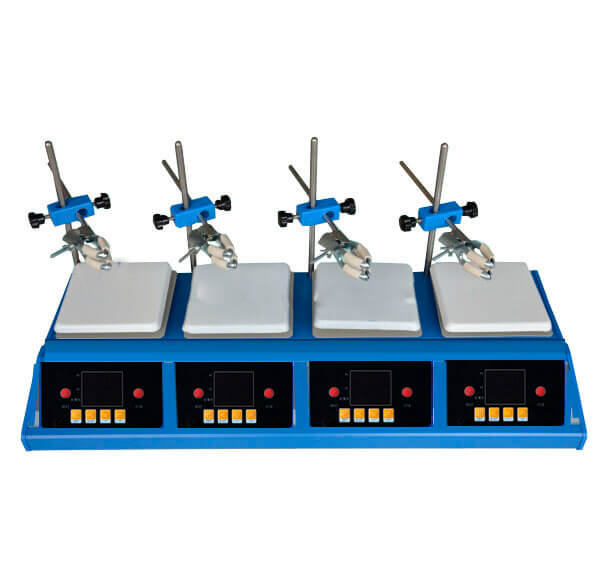
How to Optimize Data Flow with LIMS Integration in Multiposition Intelligent Digital Display Ceramic Hotplate Stirrers?
In modern laboratory environments, the integration of laboratory information management systems (LIMS) with multiposition intelligent digital display ceramic hotplate stirrers represents a significant improvement in workflow efficiency and data management. This integration offers laboratories the ability to streamline processes, reduce human error, and ensure compliance with standards. The Multiposition Intelligent Digital Display Ceramic Hotplate Stirrers, including models YR02953, YR02954, YR02955, YR02947, YR02948, and YR02949, provide versatile solutions for various laboratory applications.
Understanding LIMS Integration and Its Importance
LIMS integration involves connecting laboratory instruments, such as multiposition hotplate stirrers, to a centralized digital system that manages data, samples, and workflows. This connectivity ensures that data collected from experiments is accurately recorded and easily accessible, fostering efficient laboratory operations. Integrating tools like the YR02955 allows researchers to automate data collection, enhancing accuracy and saving time.
Key Features of Multiposition Intelligent Digital Display Ceramic Hotplate Stirrers
Each model of the Multiposition Intelligent Digital Display Ceramic Hotplate Stirrers offers unique features tailored to meet the demands of laboratory workflows:
- YR02953: Ideal for chemistry applications, it features a digital display and supports temperature ranges from ambient to 400°C.
- YR02954: With similar specifications as YR02953, it provides enhanced capacity and is suitable for larger sample sizes.
- YR02955: This model supports up to six positions, making it perfect for batch processing and high-throughput laboratories.
- YR02947: Known for its compact design, it's suitable for environments with limited space.
- YR02948: Offers robust performance with improved temperature control, ideal for sensitive experiments.
- YR02949: Provides excellent value with flexible configurations, accommodating various laboratory needs.
Benefits of LIMS Integration with Hotplate Stirrers
LIMS integration provides several advantages when combined with multiposition intelligent digital display ceramic hotplate stirrers:
- Improved Data Accuracy: Automated data logging reduces human error, ensuring that temperature and stirring rates, monitored by models like YR02954, are always recorded accurately.
- Streamlined Workflows: By integrating with LIMS, researchers can easily manage samples and track their processing times, which is particularly useful for high-throughput setups with the YR02955.
- Enhanced Compliance: Many laboratories must adhere to regulatory standards. Using LIMS ensures all experiments conducted with models like YR02948 remain compliant with applicable protocols.
Common Challenges in LIMS Integration
While LIMS integration offers significant benefits, it also poses challenges that laboratories must navigate:
- Data Migration: Transitioning historical data into a new LIMS can be complex and time-consuming.
- Training Requirements: Staff must be adequately trained to utilize both LIMS and the multiposition hotplate stirrers effectively.
- Cost Implications: Initial investment in LIMS software and hardware can be substantial, particularly when integrating multiple devices.
Implementation Steps for LIMS Integration
To successfully integrate LIMS with multiposition hotplate stirrers, follow these implementation steps:
- Assess Current Infrastructure: Evaluate existing laboratory equipment and determine compatibility with LIMS.
- Select the Right LIMS: Choose a LIMS software that supports the specific requirements of your laboratory applications.
- Plan Integration: Collaborate with IT experts to create a detailed plan for integration, specifying connectivity protocols and data flow.
- Conduct Training: Invest in proper training for laboratory staff to ensure they can effectively use the new system.
- Monitor and Optimize: After implementation, continuously monitor the integration for any issues and optimize processes based on feedback.
Comparison of Available Models
| Model | Positions | Temperature Range | RPM Range | Best For |
|---|---|---|---|---|
| YR02953 | 4 | Ambient to 400°C | 100-1800 | Chemistry applications |
| YR02954 | 4 | Ambient to 400°C | 100-1800 | Sample processing |
| YR02955 | 6 | Ambient to 400°C | 100-1800 | High-throughput labs |
| YR02947 | 2 | Ambient to 400°C | 0-2000 | Limited space environments |
| YR02948 | 2 | Ambient to 400°C | 0-2000 | Sensitive experiments |
| YR02949 | 2 | Ambient to 400°C | Varied | Flexible applications |
Common Mistakes and How to Avoid Them
When implementing LIMS integration, common mistakes can hinder effectiveness. Here are some pitfalls to avoid:
- Neglecting User Training: Inadequate training can lead to misuse of both LIMS and hotplate stirrers, such as models YR02953 and YR02954.
- Ignoring Compliance Needs: Failing to align LIMS data management with laboratory protocols can result in compliance issues.
- Underestimating Integration Time: Integration can take longer than anticipated; ensure ample time is allocated for this process.
Frequently Asked Questions
How can LIMS integration improve the efficiency of multiposition hotplate stirrers?
LIMS integration enhances efficiency by automating data collection and management. For example, the YR02955 model allows for seamless data logging of temperature and stirring speeds, reducing manual entry errors and saving time in high-throughput applications.
What are the best practices for integrating LIMS with multiposition hotplate stirrers?
Best practices include conducting a thorough assessment of current laboratory workflows, selecting compatible LIMS software, and providing comprehensive training for staff on how to operate both the LIMS and models like YR02954 effectively.
Which connectivity protocols should be considered for LIMS integration with hotplate stirrers?
When integrating LIMS with hotplate stirrers, consider protocols such as ASTM, HL7, and REST for effective data communication. Models like YR02948 can be configured to support these protocols, ensuring smooth data flow.
What challenges might arise during the LIMS integration process?
Challenges may include data migration complexities, resistance from staff due to changes in workflow, and costs associated with purchasing new software and hardware. It's important to address these factors proactively to ensure a smooth transition.
How does LIMS integration ensure compliance in laboratory settings?
LIMS integration helps maintain compliance by providing a centralized system for tracking data and processes. Models like YR02953 can log critical data needed for compliance with regulations, ensuring that all experiments are documented accurately.
What should laboratories consider when selecting a LIMS for hotplate stirrers?
Laboratories should consider compatibility with existing equipment, scalability to accommodate future growth, and specific features that cater to their unique needs. Choosing a LIMS that integrates well with models like YR02955 is essential for optimizing laboratory workflows.
How do multiposition hotplate stirrers streamline laboratory workflows?
Multiposition hotplate stirrers streamline workflows by allowing simultaneous processing of multiple samples, as seen in model YR02955. This capability reduces wait times and increases productivity, especially in high-throughput environments.
What features of multiposition hotplate stirrers improve data accuracy during experiments?
Key features that enhance data accuracy include precise temperature control and adjustable stirring speeds. For instance, the YR02954 provides reliable temperature readings and stirring rates, which can be automatically logged to LIMS for accurate data management.
If you are looking for a fusion of innovation and quality, you have come to the right place. At Kalstein, we offer you the luxury of exploring our exclusive catalog of laboratory equipment. We manufacture every device to the highest standards of excellence. Our intuitive and seamless online purchasing channels are designed for your convenience, securing the most competitive prices. Hesitate no longer — we bring science to life, it is time to become part of our community.