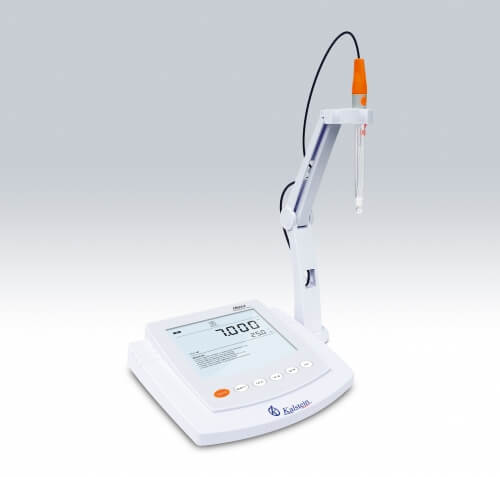
How to Achieve Effective LIMS Integration with Table Conductivity Controllers
As laboratories increasingly adopt digital solutions for data management and workflow optimization, the integration of table conductivity controllers with Laboratory Information Management Systems (LIMS) has become essential. This integration not only simplifies data flow but also enhances the accuracy and reliability of laboratory operations. This article delves into the specifics of achieving effective LIMS integration with table conductivity controllers, focusing on the models available, their unique features, and the best practices for implementation.
Understanding Table Conductivity Controllers in LIMS Environments
Table conductivity controllers are vital instruments in laboratories, used for measuring the conductivity of liquids, which is crucial in various applications, from water quality testing to chemical analysis. These devices are often integrated with LIMS to streamline data management, automate reporting, and improve regulatory compliance. The ability to connect these devices to LIMS allows for real-time data collection, minimizing human error and ensuring that all measurements are accurately recorded.
Key Features of Table Conductivity Controllers for LIMS Integration
When choosing a table conductivity controller for LIMS integration, several key features should be considered:
- Data Connectivity: Many modern controllers support USB and RS-232 connections, facilitating seamless data transfer to LIMS.
- Automatic Calibration: Models like the YR01836-1 and YR01836 provide automatic calibration options which enhance measurement accuracy and reduce manual intervention.
- User-Friendly Interfaces: Touchscreen interfaces, such as those found on the YR01829 and YR01828, allow for easy operation and monitoring of measurements.
Comparison of Available Models
| Model | Connectivity | Calibration Points | Best for |
|---|---|---|---|
| YR01836-1 | USB | 1-5 | Complex samples requiring multiple measurements |
| YR01836 | USB | 1-3 | Routine laboratory operations with standard samples |
| YR01829-1 | USB | 1-3 | Cost-effective solutions for daily testing |
| YR01829-2 | USB | 1-3 | Standard testing with reliable performance |
| YR01829 | Wireless | 1-3 | High-throughput environments requiring real-time data |
| YR01828 | Wireless | 1-3 | Advanced applications with multiple measurements |
Implementing LIMS Integration: Best Practices
Successful integration of table conductivity controllers with LIMS requires careful planning and execution. Here are some best practices to follow:
- Define Data Workflow: Establish clear data flow paths to ensure that data collected by the conductivity meters is automatically transferred to the LIMS without manual entry.
- Utilize Middleware: Consider using middleware solutions that facilitate communication between different devices and the LIMS, ensuring compatibility and data integrity.
- Regular Training: Provide training for laboratory personnel on the operation of both the conductivity meters and the LIMS to minimize errors and enhance proficiency.
Common Mistakes and How to Avoid Them
Even with careful planning, laboratories can make mistakes during LIMS integration. Here are some common pitfalls and how to avoid them:
- Underestimating Training Needs: Ensure that all staff members are adequately trained on both the table conductivity controllers and LIMS to optimize usage and minimize errors.
- Lack of Testing: Test the integration thoroughly before full implementation to identify and rectify any issues that may arise.
- Neglecting Data Security: Implement robust data security measures to protect sensitive laboratory data during transmission between devices and LIMS.
Frequently Asked Questions
What are the advantages of integrating table conductivity controllers with LIMS?
Integrating table conductivity controllers like the YR01836-1 with LIMS allows for automated data entry, reducing manual errors and enhancing workflow efficiency. Additionally, it ensures real-time data accessibility for better decision-making and compliance with laboratory standards.
How can I ensure data accuracy when using conductivity meters and LIMS together?
To ensure data accuracy, select models such as the YR01836 that feature automatic calibration and consistent monitoring capabilities. Regular maintenance and calibration checks are also crucial for maintaining the accuracy of conductivity measurements within the LIMS framework.
Which table conductivity controller is best for high-throughput laboratories?
The YR01829 model is ideal for high-throughput environments due to its wireless capabilities and user-friendly interface. Its ability to connect seamlessly with LIMS enables real-time data collection, making it suitable for laboratories with a high volume of samples.
What is the cost of implementing LIMS integration with table conductivity meters?
The cost of implementing LIMS integration can vary widely based on the model chosen and the extent of integration required. For instance, the YR01836-1 retails for around $355.00, but additional costs may arise from middleware solutions and training sessions.
How do I select the right table conductivity controller for my laboratory needs?
When selecting a table conductivity controller, consider factors such as connectivity options, measurement accuracy, and required calibration points. Models like the YR01828 offer advanced features suitable for laboratories needing high functionality and precision, ensuring a good fit for specialized requirements.
What are the key features to look for in a conductivity meter for LIMS?
Look for conductivity meters with strong connectivity options, such as USB or wireless integration, automatic calibration features, and user-friendly interfaces. For example, the YR01829 offers numerous features that enhance its compatibility with LIMS, making it an excellent choice for integration.
Can I transfer data from my conductivity meter to LIMS in real-time?
Yes, models like the YR01829 support real-time data transfer to LIMS, allowing for immediate access to measurement data. This feature enhances operational efficiency and ensures that data is always up-to-date for analysis and reporting.
Conclusion
Effective LIMS integration with table conductivity controllers is essential for modern laboratories aiming to enhance their operational efficiency and data accuracy. By selecting the appropriate models and implementing best practices, laboratories can achieve seamless data flow, ultimately leading to better decision-making and improved compliance. If you are looking for a fusion of innovation and quality, you have come to the right place. At Kalstein, we offer you the luxury of exploring our exclusive catalog of laboratory equipment. We manufacture every device to the highest standards of excellence. Our intuitive and seamless online purchasing channels are designed for your convenience, securing the most competitive prices. Hesitate no longer — we bring science to life, it is time to become part of our community.