Manual/DEA Defibrillator Monitor YR07033
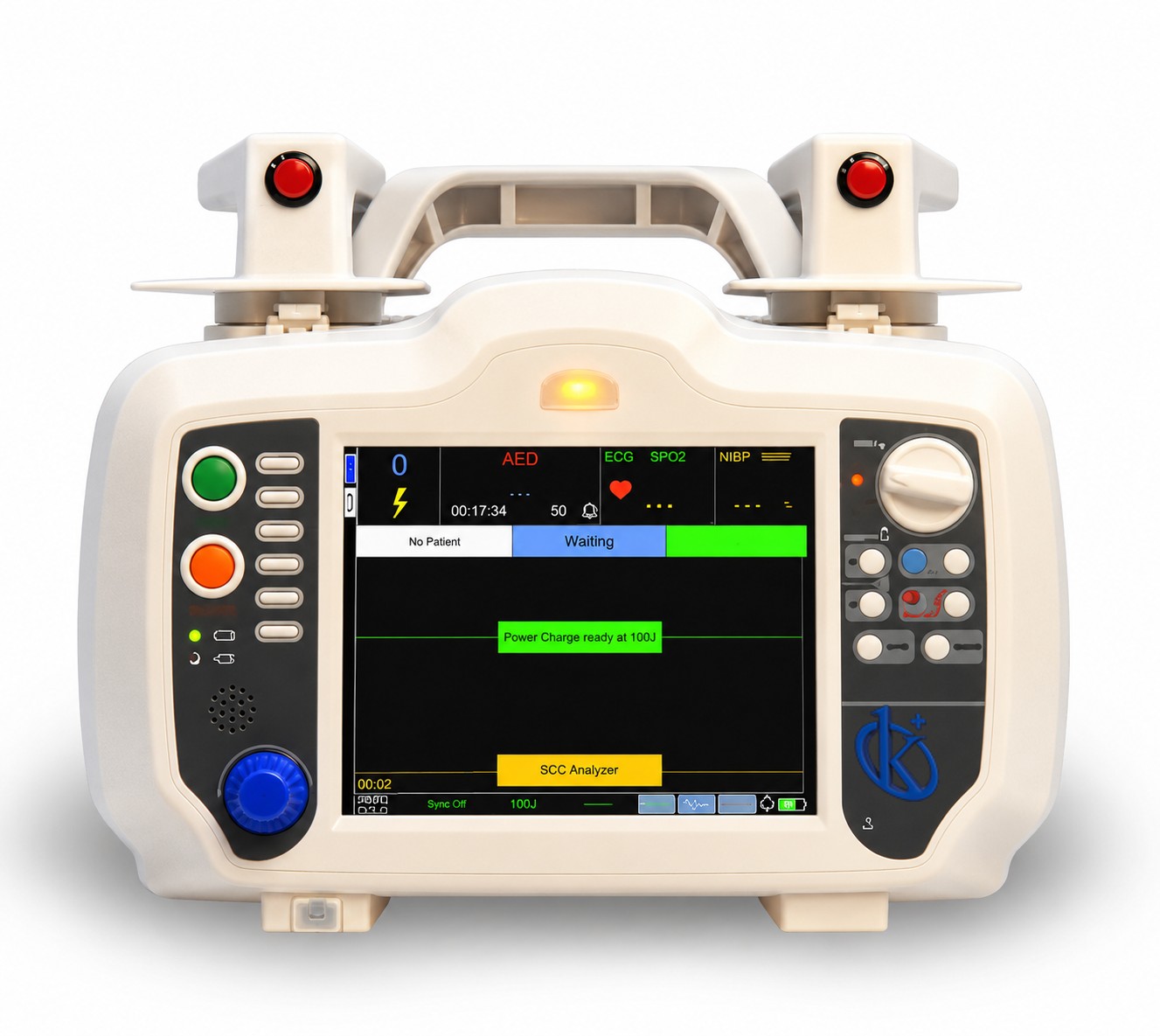
The manual/DEA defibrillator monitor YR07033 is a biphasic device designed to provide support in emergency cardiac care in hospitals, clinics, ambulances, and intensive care units. It combines two defibrillation modes —manual and DEA (automatic external defibrillator)— with ECG monitoring, allowing healthcare personnel to assess the heart rhythm and act according to the applicable clinical protocol. Its high-resolution 7-inch display facilitates the visualization of information during care. The device has a scanning speed of 25 mm/s, an integrated battery, and a SpO₂ module. Its dimensions of 328 × 248 × 281 mm and a weight of 2 kg, according to the technical sheet, allow for integration in clinical spaces and transport between care areas.
This page provides an overview of the Manual/DEA Defibrillator Monitor YR07033, including selection criteria, investment factors, operational advantages and maintenance recommendations. The aim is to support an informed decision before requesting a quotation.
This Kalstein model is available for laboratories across Latin America, Europe, Africa, the Middle East and Asia, with selection criteria adapted to the diversity of local purchasing, installation and support conditions in each region.
Key factors to consider
Before selecting the Manual/DEA Defibrillator Monitor YR07033, confirm workflow, available space, required accessories and installation conditions. This prevents oversizing the purchase and helps prepare a more accurate quotation.
In a cardiac emergency, healthcare personnel can use the YR07033 to monitor the ECG and, based on clinical assessment, apply the manual or DEA mode. The display allows for consulting patient information during care, while the SpO₂ module can contribute to monitoring oxygenation when used with the compatible sensor. The equipment can be integrated into emergency areas, procedure rooms, critical care units, and ambulances, as long as the configuration, accessories, and transport conditions are appropriate. It should be used by qualified personnel, following the manufacturer's instructions and local clinical protocols.
Across these markets, evaluation should consider varied local contexts such as international laboratory procurement spanning Latin America, Europe, Africa, the Middle East and Asia and match the product to the real workload of the laboratory in each country.
Market price range
The price of a biphasic defibrillator monitor with a 7-inch display may vary depending on the brand, monitoring configuration, included accessories, warranty, technical support, and country of purchase. For reference, some similar equipment is found in the range of US$930 to US$1030. This figure is indicative and does not represent an offer for the model YR07033.
The final price may vary according to configuration, accessories, logistics, warranty and territorial availability. Compare the technical sheet with the real laboratory workload before confirming the investment.
Budget comparison varies by country and should include the regulatory requirements specific to each market, the electrical conditions of each region, accessories, logistics and after-sales support.
Value for money
Equipment value depends on operational stability, required accuracy, ease of maintenance and accessory availability.
Value for money should be reviewed together with equipment stability, after-sales support, technical documentation and expected service life. A well-matched selection reduces downtime and improves return on investment.
Advantages and disadvantages
In a cardiac emergency, healthcare personnel can use the YR07033 to monitor the ECG and, based on clinical assessment, apply the manual or DEA mode. The display allows for consulting patient information during care, while the SpO₂ module can contribute to monitoring oxygenation when used with the compatible sensor. The equipment can be integrated into emergency areas, procedure rooms, critical care units, and ambulances, as long as the configuration, accessories, and transport conditions are appropriate. It should be used by qualified personnel, following the manufacturer's instructions and local clinical protocols.
Main advantages include specialized application, integration with laboratory routines and accessory configuration. Limitations may include installation requirements, user training and preventive maintenance to preserve performance.
Expected lifespan based on use and maintenance
Before operating the defibrillator monitor, review the manual, check the accessories, and verify the battery status. Establish a periodic inspection program and confirm that consumables and components are available and compatible with the equipment. Train the personnel who will use it and perform the checks recommended by the manufacturer. If it will be used in ambulances or during transfers, confirm the transport and securing conditions of the equipment. It is also recommended to request from the supplier information about the warranty, technical support, maintenance, and the exact contents of the offer. ModelYR07033TypeFirst aid deviceDefibrillation modesDEA and manualDefibrillation technologyBiphasicDisplayHigh resolutionDisplay size7 inches (17.
Service life depends on usage frequency, cleaning, storage, calibration when applicable and adherence to technical recommendations. A structured maintenance plan helps preserve accuracy, safety and operational continuity.
A support and spare-parts network deployed across Latin America, Europe, Africa, the Middle East and Asia helps preserve service continuity and plan preventive maintenance without extended downtime.
Specifications table for the Manual/DEA Defibrillator Monitor YR07033
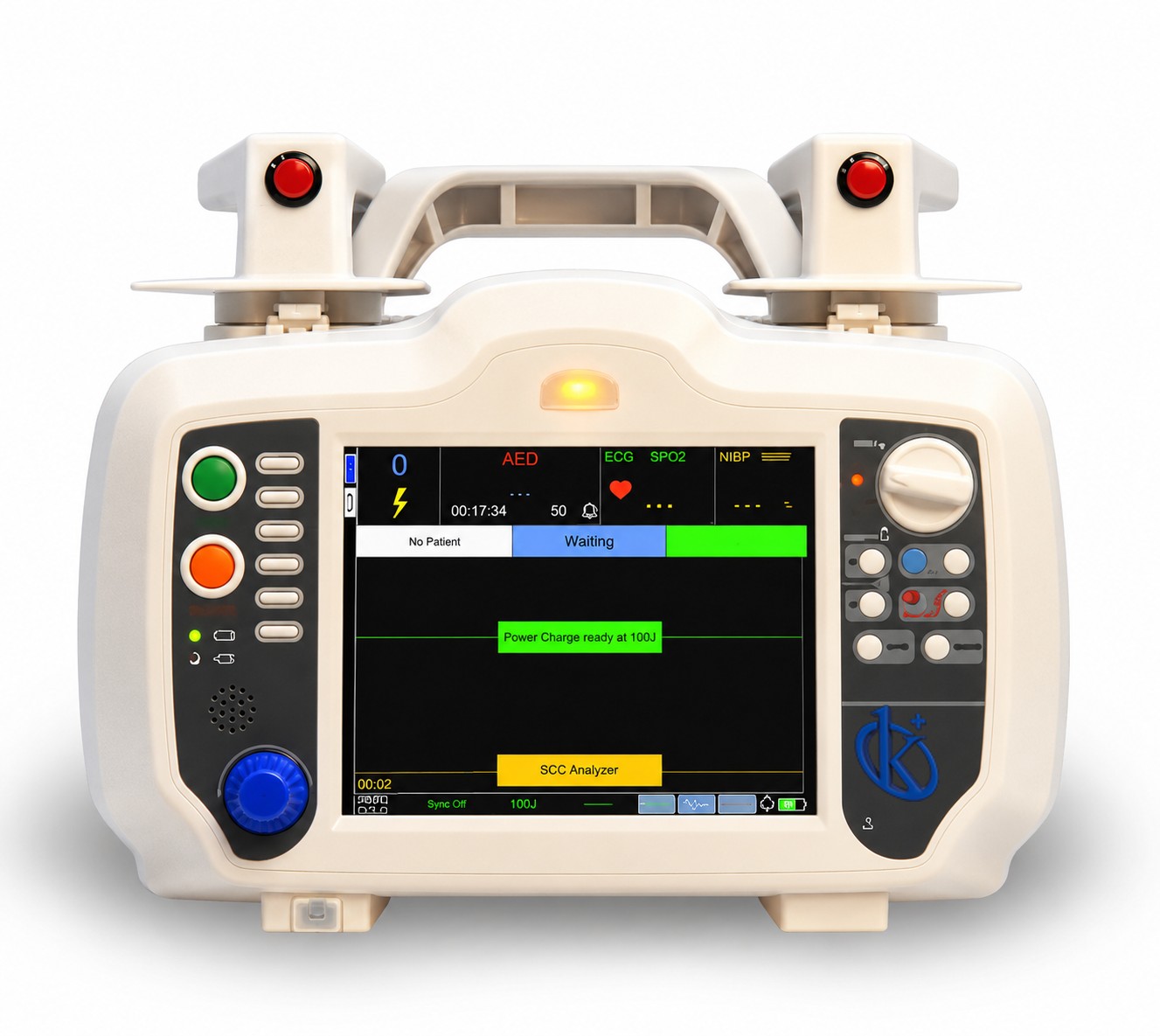
Manual/DEA Defibrillator Monitor YR07033
The manual/DEA defibrillator monitor YR07033 is a biphasic device designed to provide support in emergency cardiac care in hospitals, clinics, ambulances, and intensive care units. It combines two defibrillation modes —manual and DEA (automatic external defibrillator)— with ECG monitoring, allowing healthcare personnel to assess the heart rhythm and act according to the applicable clinical protocol.
Its high-resolution 7-inch display facilitates the visualization of information during care. The device has a scanning speed of 25 mm/s, an integrated battery, and a SpO₂ module. Its dimensions of 328 × 248 × 281 mm and a weight of 2 kg, according to the technical sheet, allow for integration in clinical spaces and transport between care areas.
The biphasic defibrillation technology of the YR07033 and its manual and DEA modes make it a suitable option for centers that require a versatile defibrillator monitor. Before making a purchase, it is advisable to confirm which accessories are included in the proposed configuration and verify compatibility with the protocols and requirements of the healthcare center.
Market Price
The price of a biphasic defibrillator monitor with a 7-inch display may vary depending on the brand, monitoring configuration, included accessories, warranty, technical support, and country of purchase. For reference, some similar equipment is found in the range of US$930 to US$1030. This figure is indicative and does not represent an offer for the model YR07033.
Frequently Asked Questions
Does the YR07033 operate in manual and DEA mode?
Yes. The product sheet indicates two defibrillation modes: manual and DEA. The appropriate mode should be selected based on the patient's condition, operator training, and established care protocol.
Does the equipment allow for ECG monitoring?
Yes. Among the specified functions is ECG monitoring. The sheet also indicates that it includes a SpO₂ module.
What is the size of the display?
It has a high-resolution 7-inch display, equivalent to approximately 17.7 cm diagonally.
What are the dimensions and weight of the equipment?
The indicated dimensions are 328 × 248 × 281 mm and the specified weight is 2 kg. It is recommended to confirm the transport weight and packaging dimensions when planning shipping.
Does it include all necessary accessories for use?
The information provided does not detail the contents of the configuration. Before purchasing, confirm with the supplier whether it includes the battery, cables, electrodes, SpO₂ sensors, paddles, or other necessary accessories.
Advantages and Aspects to Confirm
Among its advantages are the combination of manual and DEA defibrillation, biphasic technology, the 7-inch display, and the indicated functions of ECG and SpO₂ monitoring. The specified size and weight may also facilitate its transport between care spaces.
The available sheet does not specify parameters such as battery life, energy ranges, protection against liquids or dust, record printing, external pacemaker, or included accessories. This information may be important for comparing models and planning its use. It is recommended to request these details before purchase and confirm that the equipment meets the needs of the center.
Product Use in the Field
In a cardiac emergency, healthcare personnel can use the YR07033 to monitor the ECG and, based on clinical assessment, apply the manual or DEA mode. The display allows for consulting patient information during care, while the SpO₂ module can contribute to monitoring oxygenation when used with the compatible sensor.
The equipment can be integrated into emergency areas, procedure rooms, critical care units, and ambulances, as long as the configuration, accessories, and transport conditions are appropriate. It should be used by qualified personnel, following the manufacturer's instructions and local clinical protocols.
Recommendations
Before operating the defibrillator monitor, review the manual, check the accessories, and verify the battery status. Establish a periodic inspection program and confirm that consumables and components are available and compatible with the equipment.
Train the personnel who will use it and perform the checks recommended by the manufacturer. If it will be used in ambulances or during transfers, confirm the transport and securing conditions of the equipment. It is also recommended to request from the supplier information about the warranty, technical support, maintenance, and the exact contents of the offer.
| Model | YR07033 |
|---|---|
| Type | First aid device |
| Defibrillation modes | DEA and manual |
| Defibrillation technology | Biphasic |
| Display | High resolution |
| Display size | 7 inches (17.7 cm) diagonally |
| Scanning speed | 25 mm/s |
| Maximum voltage | 1200 ± 50 V |
| Indicated functions | ECG monitoring, battery, and SpO₂ module |
| Dimensions | 32.8 × 24.8 × 28.1 cm |
| Weight | 2.0 kg |
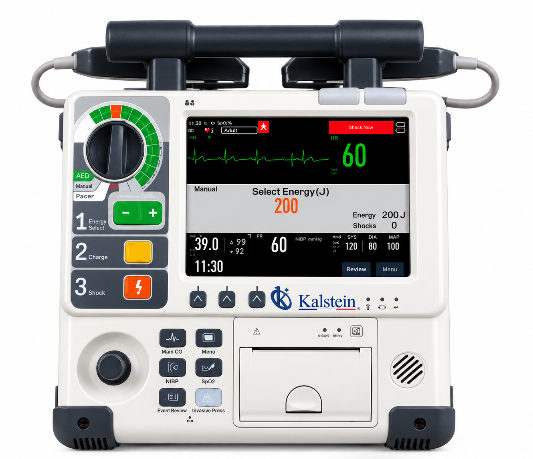
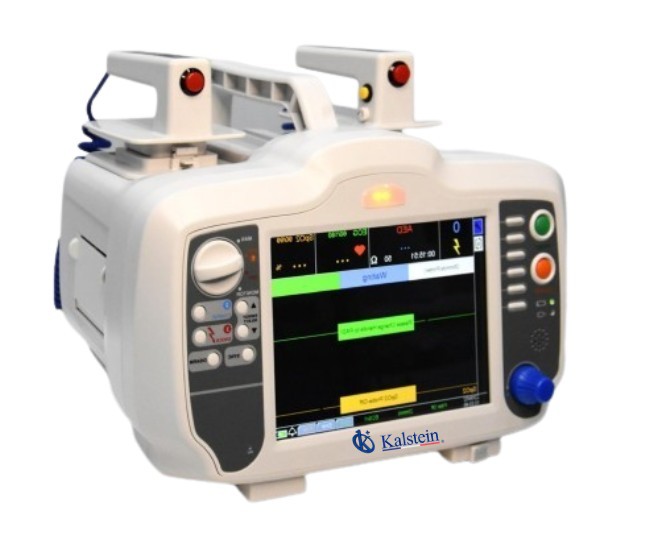
Products related to model YR07033
Frequently Asked Questions about the Manual/DEA Defibrillator Monitor YR07033
Does the YR07033 operate in manual and DEA mode?
Yes. The product sheet indicates two defibrillation modes: manual and DEA. The appropriate mode should be selected based on the patient's condition, operator training, and established care protocol.
Does the equipment allow for ECG monitoring?
Yes. Among the specified functions is ECG monitoring. The sheet also indicates that it includes a SpO₂ module.
What is the size of the display?
It has a high-resolution 7-inch display, equivalent to approximately 17.7 cm diagonally.
What are the dimensions and weight of the equipment?
The indicated dimensions are 328 × 248 × 281 mm and the specified weight is 2 kg. It is recommended to confirm the transport weight and packaging dimensions when planning shipping.
Does it include all necessary accessories for use?
The information provided does not detail the contents of the configuration. Before purchasing, confirm with the supplier whether it includes the battery, cables, electrodes, SpO₂ sensors, paddles, or other necessary accessories.
How do I choose the right manual/dea defibrillator monitor yr07033 for my laboratory?
Selection should start from workload, critical technical parameters, available space and frequency of use. Kalstein can support the comparison between operational needs, budget and maintenance requirements to avoid choosing equipment that is oversized or insufficient.
What should I review before requesting a quotation?
Review the model, technical specifications, required accessories, electrical conditions, consumables, delivery timing and installation needs. With this information, the quotation can be prepared more accurately and aligned with the laboratory workflow.
Does Kalstein provide guidance for this type of equipment?
Yes. The commercial and technical team can support product evaluation, explain differences between models, answer application questions and advise on preventive maintenance, spare parts and documentation required for a secure purchase.
What maintenance helps extend the equipment lifespan?
Follow the manufacturer manual, perform regular cleaning, verify calibrations or controls when applicable, avoid workload abuse and keep maintenance records. Stable use and preventive routines reduce failures and improve operational continuity.