Maximizing ROI with Transparent Water Baths: A Comprehensive Analysis
In today’s competitive laboratory environment, maximizing return on investment (ROI) is a crucial objective for lab managers and professionals. Transparent Water Baths are essential instruments used in various applications, including tissue culture, enzymatic reaction studies, and growth observation. This article delves into the cost-benefit analysis of different models, focusing on their operational efficiency and potential savings, enabling labs to make informed purchasing decisions.
Understanding Transparent Water Baths in the Context of ROI
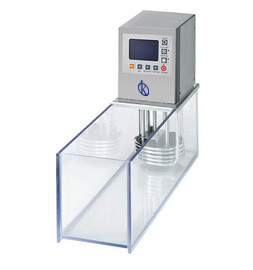
Transparent Water Baths provide precise temperature control and uniformity, which are vital for various laboratory processes. With models like YR05080, YR05081, and YR05082, labs can perform a range of experiments while ensuring optimal conditions for sample integrity. In this analysis, we will explore how these models can influence ROI through cost savings in reagent use, energy efficiency, and reduced downtime due to maintenance.
Comparison of Available Models
| Model | CAPEX (USD) | Cost per test | Payback (months) | Recommended scenario |
|---|---|---|---|---|
| YR05080 | 293.00 | $1.50 | 6 | Basic tissue culture and enzymatic studies |
| YR05081 | 403.00 | $1.70 | 5 | Advanced research requiring precise temperature control |
| YR05082 | 513.00 | $2.00 | 8 | High-capacity studies with multiple samples |
Cost-Benefit Analysis of Transparent Water Baths
When evaluating the ROI of Transparent Water Baths, it is essential to conduct a thorough cost-benefit analysis. This involves assessing both the fixed costs (CAPEX) and the operational costs (OPEX) over time. For instance, laboratory professionals can expect to generate savings through optimized reagent use due to controlled temperature conditions. Each model offers different capacities and efficiencies, impacting overall costs.
Quantifying Savings Through Efficiency
One of the key aspects of maximizing ROI is understanding how operational efficiency translates into financial savings. Transparent Water Baths, such as the YR05081, with a capacity of 16 liters, can handle larger volumes of samples, which minimizes the cost per test. Additionally, the precision and stability of these baths (±0.1°C for YR05081) ensure fewer failed experiments, leading to reduced reagent wastage and better overall productivity.
Energy Consumption and Sustainability Considerations
Energy efficiency is a significant factor in calculating the ROI of laboratory equipment. Transparent Water Baths are designed to operate with minimal energy consumption. For example, the YR05080 model has a power requirement of 1.0 kilowatt. Evaluating the energy costs over time can reveal substantial savings compared to older models or less efficient alternatives.
Common Mistakes and How to Avoid Them
Many laboratories underestimate the importance of conducting a detailed ROI analysis before purchasing equipment like Transparent Water Baths. A common mistake is focusing solely on the initial cost rather than considering long-term operational savings. Additionally, not factoring in the specific needs of experiments can lead to overspending on unnecessary features or capabilities.
Frequently Asked Questions
What is the expected ROI from using Transparent Water Baths in a laboratory?
The expected ROI from using Transparent Water Baths can vary, but models like YR05081 typically have a payback period of about 5 months, making them a cost-effective option for precise temperature control in laboratory applications.
How do energy consumption rates impact the ROI of Transparent Water Baths?
Energy consumption significantly impacts ROI; for instance, the YR05080 model consumes 1.0 kilowatt, which translates into lower operational costs over time, enhancing profitability through reduced energy expenses.
Which Transparent Water Bath model is best for high-volume testing scenarios?
For high-volume testing, the YR05082 model, with a capacity of 23 liters and enhanced stability, is recommended. Its design supports increased throughput while maintaining temperature precision, optimizing operation efficiency.
How can I reduce overall costs when using Transparent Water Baths?
To reduce overall costs, consider models like YR05080 that provide excellent temperature stability and lower energy consumption. Implementing best practices in reagent usage also contributes to cost savings.
What features should I look for in a Transparent Water Bath to enhance ROI?
Key features to enhance ROI include temperature precision (±0.1°C or better), energy efficiency, and adequate capacity. Models like YR05081 offer excellent temperature control, ensuring fewer errors during experiments.
How can I calculate the cost per test for my laboratory equipment?
To calculate cost per test, divide the total operational costs (including energy, reagents, and maintenance) by the number of tests performed. Using models like YR05081 can provide cost-effective testing solutions.
What is the best way to evaluate the cost-benefit of multiple Transparent Water Bath models?
Evaluate the cost-benefit by comparing initial costs (CAPEX), ongoing operational costs (OPEX), and operational efficiency to determine the payback period for each model, focusing on your laboratory's specific needs.
Can I integrate Transparent Water Baths into a digital laboratory management system?
Yes, many Transparent Water Baths can be integrated into digital laboratory management systems, allowing for enhanced data tracking and improved workflow efficiency, potentially leading to better ROI.
If you are looking for a fusion of innovation and quality, you have come to the right place. At Kalstein, we offer you the luxury of exploring our exclusive catalog of laboratory equipment. We manufacture every device to the highest standards of excellence. Our intuitive and seamless online purchasing channels are designed for your convenience, securing the most competitive prices. Hesitate no longer — we bring science to life, it is time to become part of our community.