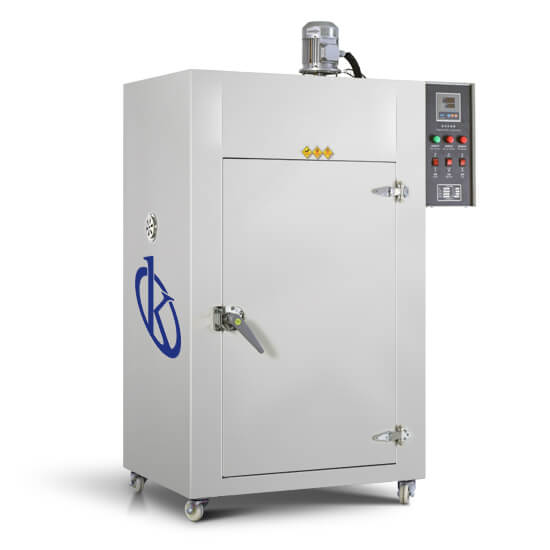
Maximizing Return on Investment in Industrial Ovens: A Cost-Benefit Analysis
In today's laboratory landscape, understanding the return on investment (ROI) for equipment like industrial ovens is crucial for operational efficiency and cost management. This detailed guide will delve into the cost-benefit analysis specifically tailored for industrial ovens, focusing on different models to identify the best options for your laboratory's unique needs.
Understanding the Importance of ROI in Laboratory Equipment
ROI calculations help laboratory managers assess the profitability of their equipment investments. By evaluating capital expenditures (CAPEX), operational expenditures (OPEX), and potential revenue generation, labs can make informed decisions on which equipment will contribute most significantly to their bottom line.
Comparison of Available Models
| Model Code | Initial Cost (USD) | Operating Cost (USD/month) | Payback Period (months) | Best Suited For |
|---|---|---|---|---|
| YR05256-A | 580.00 | 75 | 8 | Batch drying in industrial settings |
| YR05257-1-A | 1010.00 | 100 | 10 | Heavy-duty industrial applications |
| YR05258-SS | 860.00 | 85 | 9 | Galvanoplasty industry |
| YR05259-1-SS | 1510.00 | 130 | 11 | Jewelry and electronic industries |
Key Factors Influencing ROI in Industrial Ovens
When evaluating the ROI of industrial ovens, several factors need keen consideration:
- Energy Efficiency: An oven's energy consumption directly affects operating costs. Models like the YR05257-1-A have been noted to have robust energy specifications, which can lower monthly bills significantly.
- Maintenance Costs: Regular maintenance helps ensure longevity and performance. A model with lower maintenance requirements can save costs over time.
- Versatility: The ability to handle various processes (drying, curing) increases the use cases for each model, thus enhancing ROI potential.
Cost-Benefit Analysis: Detailed Breakdown
A thorough cost-benefit analysis involves assessing both initial costs and long-term savings. Below is a simplified version of a cost breakdown for each model covered.
| Model Code | Initial Investment (USD) | Annual Operating Cost (USD) | Total Cost Over 5 Years (USD) | Projected Revenue from Use (USD) |
|---|---|---|---|---|
| YR05256-A | 580.00 | 900 | 5,580.00 | 7,000 |
| YR05257-1-A | 1010.00 | 1,200 | 7,210.00 | 9,000 |
| YR05258-SS | 860.00 | 1,020 | 6,860.00 | 8,500 |
| YR05259-1-SS | 1510.00 | 1,560 | 10,110.00 | 12,000 |
Common Mistakes and How to Avoid Them
When making decisions regarding industrial ovens, it is essential to avoid common pitfalls:
- Neglecting Total Cost of Ownership: Always consider both initial investment and ongoing operational costs. A cheaper model might not be the most cost-effective in the long run.
- Ignoring Specific Needs: Different industrial applications have varied requirements. Ensure the chosen model aligns with your operational needs and industry standards.
- Underestimating Energy Consumption: Energy costs can accumulate. Opt for ovens with energy efficiency certifications to ensure cost-effectiveness.
Frequently Asked Questions
How can cost-benefit analysis improve my decision for industrial ovens?
A cost-benefit analysis helps identify which industrial oven models, such as the YR05256-A, provide the best ROI based on initial costs versus long-term operational expenses, enabling better investment decisions.
What factors contribute to the ROI of industrial ovens in laboratories?
Key factors include initial purchase price, energy efficiency, maintenance costs, and operational versatility, with models like YR05258-SS offering advantages in multiple applications to enhance ROI.
Which industrial oven model is best for high-volume processing?
The YR05257-1-A is well-suited for high-volume industrial applications due to its larger operating capacity and robust design, making it ideal for labs requiring extensive drying capabilities.
How does energy consumption affect the operating costs of industrial ovens?
Energy consumption directly influences operating costs; choosing an energy-efficient model like the YR05256-A can significantly reduce monthly expenses and improve overall ROI.
What should I consider when comparing different industrial oven models?
Consider factors such as initial investment, operating costs, capacity, versatility in applications, and maintenance requirements. Models like the YR05259-1-SS provide insights into each of these aspects.
How do I calculate the payback period for an industrial oven?
The payback period is calculated by dividing the total investment by the annual cash savings generated. For instance, with the YR05258-SS, you can estimate savings based on reduced energy costs.
What are the long-term benefits of investing in quality industrial ovens?
Quality industrial ovens, like the YR05257-1-A, ensure durability, reliability, and energy efficiency, leading to lower operating costs and greater returns on investment over time.
How often should I perform maintenance on my industrial oven?
Regular maintenance should be performed as per the manufacturer's recommendations. Typically, ovens like the YR05256-A would require checks every 6 months to ensure optimal performance and longevity.
If you are looking for a fusion of innovation and quality, you have come to the right place. At Kalstein, we offer you the luxury of exploring our exclusive catalog of laboratory equipment. We manufacture every device to the highest standards of excellence. Our intuitive and seamless online purchasing channels are designed for your convenience, securing the most competitive prices. Hesitate no longer — we bring science to life, it is time to become part of our community.