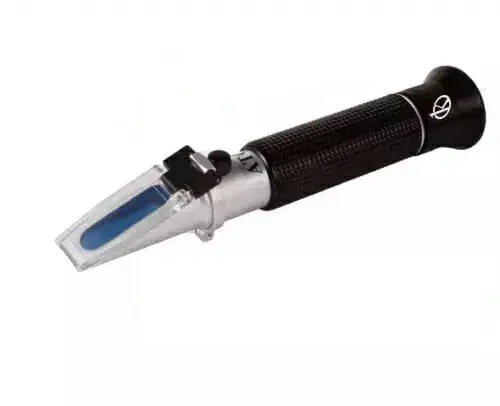
Maximizing ROI and Cost-Benefit Analysis for Digital Clinical Refractometers
In the realm of laboratory equipment, digital clinical refractometers play a pivotal role in the accurate assessment of liquids, providing critical data for both veterinary and human applications. Understanding the return on investment (ROI) and executing a thorough cost-benefit analysis is essential for laboratories looking to invest in these devices. This article delves into evaluating various models of digital clinical refractometers, focusing on how they align with ROI expectations and overall cost-effectiveness.
Understanding ROI in Laboratory Equipment
Return on investment (ROI) in laboratory contexts is a quantitative metric that measures the profitability of an investment compared to its cost. For laboratory professionals, calculating ROI involves considering initial costs, operating expenses, and potential savings or revenue generated by utilizing a specific device. The formula for ROI is typically:
ROI = (Net Profit / Cost of Investment) x 100
When assessing digital clinical refractometers, factors such as accuracy, reliability, and maintenance costs heavily influence the ROI calculations. Models like the Clinical Refractometer YR05915 and the Digital BRIX Refractometers YR05966, YR05967, and YR05968 offer various specifications and features that can impact both upfront and ongoing costs.
Key Factors for Cost-Benefit Analysis
A cost-benefit analysis allows laboratory managers to weigh the anticipated benefits of a refractometer against its costs. This helps in making informed decisions about which models provide the best value. Key factors to consider include:
- Initial Cost: The purchase price of the refractometer.
- Operational Costs: Costs associated with maintenance, calibration, and consumables.
- Accuracy and Precision: High-performing models can reduce the need for re-testing.
- Usability: Ease of use can affect training costs and speed of operation.
- Longevity: Longer-lasting equipment may yield more savings over time.
For example, a model like the YR05915, designed for clinical usage, may have a higher initial cost but could deliver precision that minimizes error rates, thereby reducing operational costs in the long term.
Comparison of Available Models
| Model | Initial Cost (USD) | Measurement Range | Accuracy | Best for |
|---|---|---|---|---|
| YR05915 | 9.50 | 0-12g/dl, 1.000-1.050sg, 1.3300RI-1.3600RI | ±0.2g/dl | Clinical and veterinary settings |
| YR05966 | 76.00 | 1.000-1.050 SP.G. | ±0.002 | Veterinary applications |
| YR05967 | 76.00 | 0-12.1 g/dl | ±0.2 | Human serum analysis |
| YR05968 | 76.00 | 1.3330-1.3900nD | ±0.0003nD | General clinical applications |
Common Mistakes and How to Avoid Them
When investing in digital clinical refractometers, laboratories often make mistakes that can lead to decreased ROI. Here are common pitfalls and strategies to avoid them:
- Neglecting to Evaluate Total Cost of Ownership: Ensure to account for operation and maintenance costs beyond the initial purchase price.
- Overlooking Calibration Needs: Regular calibration is crucial for precision. Models like YR05915 come with automatic temperature compensation (ATC), which can mitigate some calibration efforts.
- Ignoring User Training: Investing in proper training for staff can enhance the effective use of the refractometer, reducing errors and improving results.
Impact of Precision on Cost-Effectiveness
The precision of a digital clinical refractometer significantly affects its cost-effectiveness. Models with better accuracy, like the YR05968, ensure that tests yield reliable results, which can reduce the need for repeat testing and associated costs. In contrast, lower precision models may seem cost-effective upfront but can lead to higher long-term operational expenses due to inaccuracies.
Investment Scenarios for Different Laboratory Sizes
Depending on the laboratory's size and scope, the expected ROI and cost ramifications can vary. Below are hypothetical investment scenarios illustrating how different models could serve varying laboratory sizes:
| Laboratory Size | Recommended Model | Estimated Yearly Tests | ROI Estimate (Months) |
|---|---|---|---|
| Small (1-5 staff) | YR05915 | 500 | 6 |
| Medium (6-15 staff) | YR05966 | 1200 | 8 |
| Large (16+ staff) | YR05968 | 2500 | 10 |
Frequently Asked Questions
What is the ideal digital clinical refractometer for small laboratories in 2023?
The ideal model for small laboratories is the Clinical Refractometer YR05915, priced at $9.50. It is designed for efficient liquid level assessment, offering high accuracy with a range of 0-12g/dl and features automatic temperature compensation to enhance usability.
How does automatic temperature compensation improve ROI in refractometers?
Automatic temperature compensation, such as in the Digital BRIX Refractometer YR05966, ensures accurate readings regardless of temperature fluctuations, minimizing errors and reducing the need for retesting, ultimately improving ROI by saving both time and resources.
What are the costs associated with maintaining a digital clinical refractometer?
Maintenance costs for models like YR05968 include calibration, cleaning supplies, and potential spare parts. Estimated yearly maintenance can vary from $50 to $200 depending on usage and care, impacting overall ROI calculations.
Which digital clinical refractometer offers the best value for veterinary practices?
The Digital BRIX Refractometer YR05966 is ideal for veterinary practices. With a price of $76.00 and a measurement range suited for urine specific gravity, it provides robust data necessary for animal health assessments, ensuring excellent value for its cost.
How can I determine the payback period for a refractometer investment?
To determine the payback period, calculate the total investment cost of the refractometer, such as the YR05967 at $76.00, and divide it by the average savings generated per month from utilizing the device. This will yield the number of months needed to recoup the investment.
What features should I prioritize when selecting a digital clinical refractometer?
When selecting a digital clinical refractometer, prioritize accuracy, operating range, ease of use, and maintenance requirements. Models like YR05915 provide an excellent balance of features that cater to clinical and veterinary needs while ensuring reliable performance.
How do I assess the accuracy of different refractometer models?
Assessing accuracy involves comparing the specifications outlined by manufacturers. Models like YR05968 offer precision values such as ±0.0003nD, which is critical for reliable liquid measurement, making it a superior choice for laboratories requiring high accuracy.
What ROI can I expect from continuous use of a digital clinical refractometer?
By continuously using a model like the YR05966, laboratories can expect significant ROI from reduced retesting rates and increased operational efficiency. Many users report payback periods of less than 12 months based on consistent usage and accuracy.
For personalized assistance and to explore more about our models, do not hesitate to request a quote on Kalstein Plus.
If you are looking for a fusion of innovation and quality, you have come to the right place. At Kalstein, we offer you the luxury of exploring our exclusive catalog of laboratory equipment. We manufacture every device to the highest standards of excellence. Our intuitive and seamless online purchasing channels are designed for your convenience, securing the most competitive prices. Hesitate no longer — we bring science to life, it is time to become part of our community.