Maximizing ROI: Cost-Benefit Analysis for Brix Refractometers in Laboratories
In the modern laboratory, the demand for efficiency and precision is paramount. Brix refractometers play a critical role in measuring sucrose levels in various applications, from winemaking to food production. This article will delve into how these instruments can maximize return on investment (ROI) through a thorough cost-benefit analysis. We will explore different models, compare their features in-depth, and provide insights into how to optimize their utility for laboratory settings.
Understanding Brix Refractometers and Their Role in Cost-Benefit Analysis
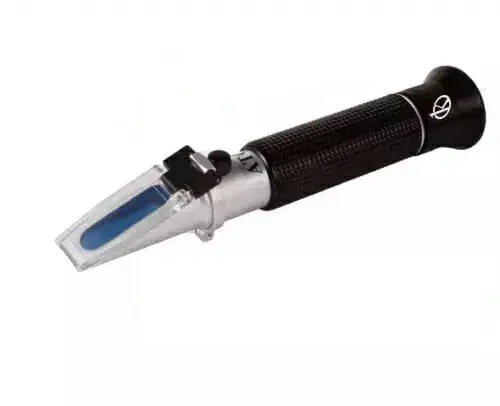
Brix refractometers are essential tools for professionals measuring the sugar content of liquids. They are widely used in various industries, including agriculture, food processing, and brewing. By providing accurate measurements, they enable laboratories to ensure product quality while minimizing costs associated with waste and inaccuracies. To make informed purchasing decisions, laboratory managers must engage in a comprehensive cost-benefit analysis tailored to their specific needs.
Key Features of Brix Refractometers
When considering Brix refractometers, several key features influence their overall effectiveness and cost-saving potential. These include:
- Measurement Range: Different models support various Brix measurement ranges, affecting their applicability in different scenarios.
- Accuracy: Precision in readings is crucial for maintaining quality standards, directly impacting the cost-benefit balance.
- Automatic Temperature Compensation (ATC): This feature ensures accurate measurements across temperature variations, reducing the need for additional equipment.
Detailed Comparison of Available Models
| Model | Measurement Range | Min. Division | Accuracy | ATC | Material | Cost (USD) | Best Use Case |
|---|---|---|---|---|---|---|---|
| YR05872 | 0-5% Brix | 0.1% Brix | ± 0.10% Brix | Yes | Aluminum | 10.00 | Ideal for low-sugar content liquids. |
| YR05873 | 0-10% Brix | 0.1% Brix | ± 0.10% Brix | Yes | Aluminum | 10.00 | Suitable for fruit juices and low-alcohol beverages. |
| YR05874 | 0-18% Brix | 0.1% Brix | ± 0.10% Brix | Yes | Aluminum | 10.00 | Effective for most fruit and vegetable juices. |
| YR05875 | 0-20% Brix | 0.1% Brix | ± 0.10% Brix | Yes | Aluminum | 9.50 | Excellent for beer and wine production. |
| YR05876 | 0-32% Brix | 0.1% Brix | ± 0.10% Brix | Yes | Aluminum | 9.50 | Best for high-sugar content liquids. |
| YR05877 | 0-35% Brix | 0.1% Brix | ± 0.10% Brix | Yes | Aluminum | 10.00 | Versatile use across multiple industries. |
ROI Considerations in Selecting Brix Refractometers
Calculating ROI involves assessing both direct and indirect costs associated with the refractometers. Direct costs include initial purchase price, while indirect costs can comprise maintenance, calibration, and operational efficiency gains. A well-chosen refractometer can lead to significant savings over time, especially when considering:
- Minimizing Waste: Accurate measurements reduce product waste, impacting the bottom line.
- Time Savings: Fast and reliable readings can enhance throughput and reduce labor costs.
- Quality Assurance: Consistent quality ensures customer satisfaction and repeat business.
Common Mistakes and How to Avoid Them
Laboratory professionals often make key mistakes when purchasing or using Brix refractometers. Here are common pitfalls and how to avoid them:
- Overestimating Needs: Purchasing a model with a higher measurement range than necessary can lead to wasted resources. Assess your specific applications to choose the right model.
- Neglecting Calibration: Regular calibration is vital for accuracy. Establish a routine calibration schedule based on usage frequency.
- Ignoring Environmental Conditions: Operating conditions can affect performance; make sure the instrument is suitable for your lab's environment.
Frequently Asked Questions
What is the ROI of a Brix refractometer in a food laboratory?
The ROI of a Brix refractometer, such as the YR05875, can be substantial. By minimizing waste and ensuring precise measurements, laboratories can see a payback period of as little as 6 months, depending on usage and operational efficiency.
How much does a Brix refractometer cost compared to its benefits?
Brix refractometers range from $9.50 to $10.00 for models like YR05876 and YR05875, respectively. Their ability to enhance product quality and reduce waste can lead to significant cost savings, often covering their purchase price within the first year of use.
Which Brix refractometer model is best for testing fruit juices?
For testing fruit juices, the YR05874 model, which measures from 0-18% Brix, provides optimal accuracy and is specifically designed for such applications, ensuring high-quality results.
What factors affect the cost-benefit analysis of Brix refractometers?
Factors include initial purchase cost, operational efficiency, maintenance, and calibration frequency. Models like the YR05873 offer features that can significantly improve cost efficiency over time.
How does automatic temperature compensation impact Brix refractometer performance?
Automatic Temperature Compensation (ATC) ensures accuracy across varying temperatures, making models like YR05872 and YR05875 reliable in diverse lab conditions, thus enhancing their cost-benefit ratio.
What maintenance is required for Brix refractometers?
Regular calibration and cleaning are essential for maintaining accuracy in Brix refractometers. Establishing a maintenance schedule will ensure longevity and performance, reducing long-term costs.
How can I determine the best Brix refractometer for my lab's needs?
Assess your specific application requirements, such as the types of liquids you test and their sugar content, to select a model like the YR05874 that fits your laboratory demands best.
Which industries benefit the most from Brix refractometers?
Brix refractometers are invaluable in the food and beverage industry, particularly in winemaking, brewing, and food processing, where accurate sugar measurements are crucial for quality control.
If you are looking for a fusion of innovation and quality, you have come to the right place. At Kalstein, we offer you the luxury of exploring our exclusive catalog of laboratory equipment. We manufacture every device to the highest standards of excellence. Our intuitive and seamless online purchasing channels are designed for your convenience, securing the most competitive prices. Hesitate no longer — we bring science to life, it is time to become part of our community.