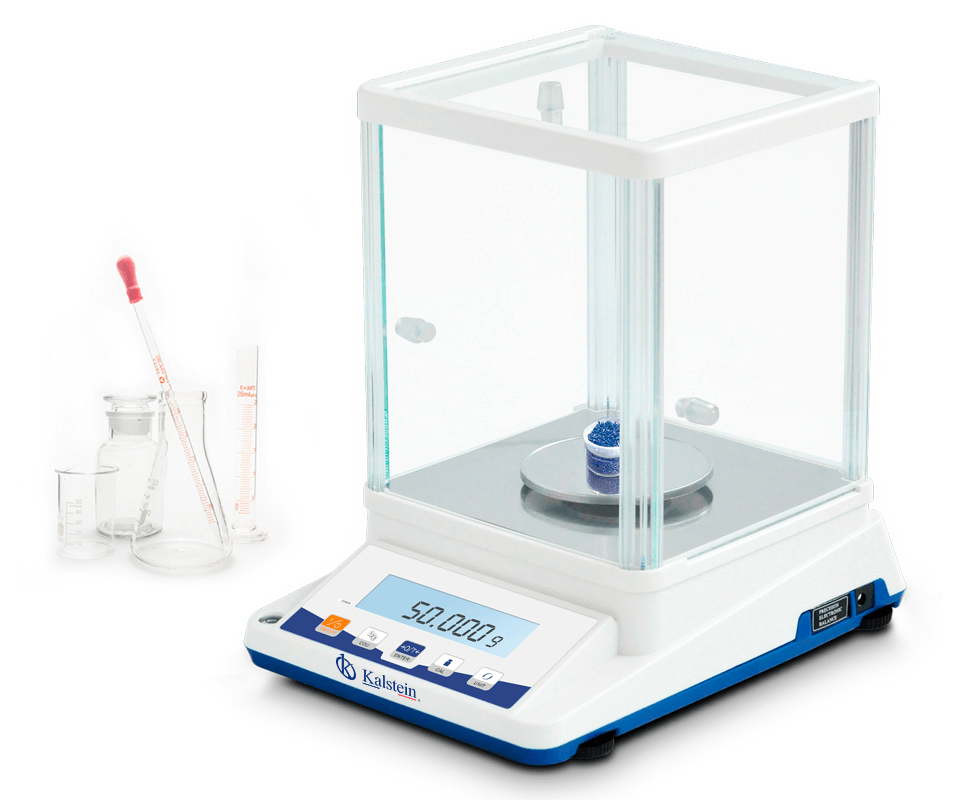
Maximizing ROI and Conducting Cost-Benefit Analysis for Precision Balances
Precision balances are essential tools in laboratories, providing accurate weight measurements crucial for various applications. Understanding the return on investment (ROI) and conducting cost-benefit analyses for these balances is vital for laboratory professionals aiming to optimize their resources. This article delves into strategies for maximizing ROI and effectively assessing the financial implications of precision balances.
Understanding the Importance of ROI in Laboratory Equipment
Return on investment (ROI) is a crucial metric for laboratory equipment purchases, including precision balances. It reflects the profitability of an investment relative to its cost. Evaluating the ROI helps laboratories make informed decisions about purchasing equipment, ensuring they acquire instruments that enhance productivity and efficiency while minimizing costs. In this context, precision balances serve as a significant investment, and their ROI can be calculated by examining initial costs, operational expenses, and the financial benefits they offer over time.
Conducting a Cost-Benefit Analysis for Precision Balances
A comprehensive cost-benefit analysis (CBA) for precision balances involves identifying both direct and indirect costs associated with acquisition and operation. Direct costs include the purchase price, while indirect costs may encompass maintenance, calibration, and training expenses. On the benefits side, increased accuracy in measurements can lead to better quality control, reduced waste, and ultimately higher customer satisfaction. The CBA provides a structured approach to evaluating whether the benefits outweigh the costs, aiding in decision-making.
Key Models of Precision Balances and Their ROI Potential
When considering precision balances, it's essential to understand the unique features and applications of each model. Each balance has specific capabilities that can influence ROI. Here's a closer look at the models covered in this analysis:
| Model | Capacity (g) | Readability (g) | Price (USD) | Best For |
|---|---|---|---|---|
| YR05584 | 110 | 0.001 | 75.00 | General laboratory use |
| YR05585 | 210 | 0.001 | 80.00 | Quality control applications |
| YR05586 | 310 | 0.001 | 80.00 | Research and development |
| YR05587 | 610 | 0.001 | 80.00 | High-capacity weighing needs |
| YR05588 | 2100 | 0.01 | 31.00 | Field applications |
| YR05589 | 3100 | 0.01 | 31.00 | Heavy-duty weighing |
Comparison of Available Models
| Model | CAPEX (USD) | Cost per Test | Payback Period (Months) | Recommended Scenario |
|---|---|---|---|---|
| YR05584 | 75.00 | 0.10 | 6 | Small labs with basic needs |
| YR05585 | 80.00 | 0.08 | 5 | Laboratories focused on quality control |
| YR05586 | 80.00 | 0.07 | 4 | Research and R&D labs |
| YR05587 | 80.00 | 0.06 | 3 | High-demand environments |
| YR05588 | 31.00 | 0.15 | 8 | Field testing scenarios |
| YR05589 | 31.00 | 0.14 | 7 | Heavy research applications |
Common Mistakes and How to Avoid Them
Laboratory professionals often make mistakes when evaluating precision balances, leading to poor investment decisions. One common error is underestimating total costs, including maintenance and operational expenses. Additionally, failing to consider the specific application needs can result in selecting a model that does not meet laboratory requirements. To avoid these pitfalls, conduct thorough research on each model's specifications and calculate the total cost of ownership (TCO) to ensure a well-informed purchase decision.
Frequently Asked Questions
What factors should I consider for ROI when selecting a precision balance?
When selecting a precision balance, consider initial costs, ongoing operating expenses, and the potential savings from increased accuracy. For instance, the YR05584 model, priced at $75, may have a shorter payback period due to its cost-effectiveness in small labs.
How can I conduct a cost-benefit analysis for a precision balance purchase?
To conduct a cost-benefit analysis for a precision balance, list all costs like acquisition, maintenance, and training, then compare them to the benefits gained from improved accuracy and efficiency. Models like YR05587, with a higher capacity, may yield more significant benefits in high-demand settings.
What is the expected payback period for precision balances in laboratories?
The expected payback period for precision balances can vary based on the model and usage scenario. For example, the YR05586 has a payback period of 4 months, making it a financially viable option for research labs focusing on efficiency.
How does the capacity of a precision balance affect its ROI?
The capacity of a precision balance directly influences its ROI by determining how much material can be weighed at once. A model like YR05587, with a 610g capacity, can handle larger samples, which may lead to faster throughput and higher efficiency.
What are the operational costs associated with precision balances?
Operational costs for precision balances include maintenance, calibration, and consumable items such as calibration weights. Models like YR05588, which have lower initial costs, may help minimize upfront expenses but could incur higher operational costs over time.
How can I assess the best precision balance model for my laboratory needs?
To assess the best precision balance model for your laboratory, evaluate your specific weighing needs, frequency of use, and budget. The YR05585 is well-suited for quality control applications, offering a balance of cost and performance.
If you are looking for a fusion of innovation and quality, you have come to the right place. At Kalstein, we offer you the luxury of exploring our exclusive catalog of laboratory equipment. We manufacture every device to the highest standards of excellence. Our intuitive and seamless online purchasing channels are designed for your convenience, securing the most competitive prices. Hesitate no longer — we bring science to life, it is time to become part of our community.