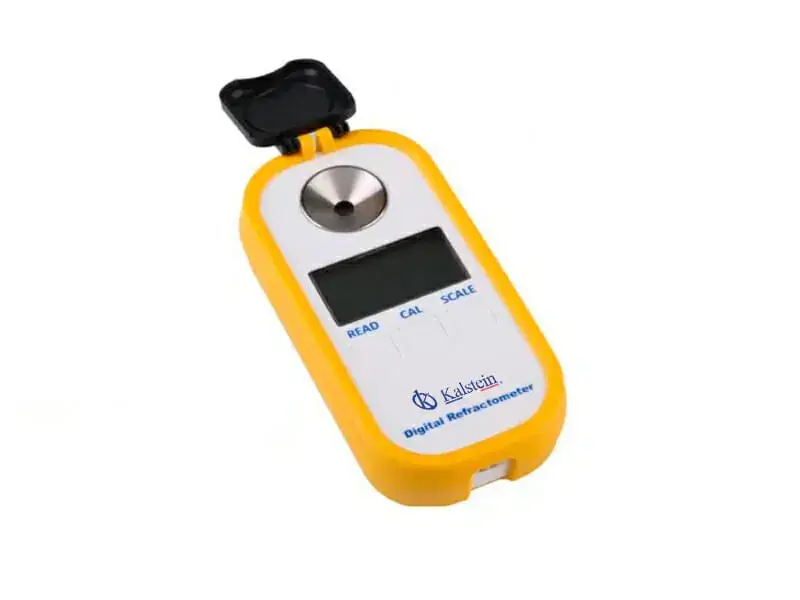
Maximizing ROI and Cost-Benefit Analysis in Laboratory Use of Digital Salinity Refractometers
In today's laboratory environment, optimizing resources and enhancing return on investment (ROI) is crucial for operational success. Digital Salinity Refractometers play a vital role in various laboratory applications, and understanding their cost-effectiveness can significantly improve financial outcomes. This article delves into the different models of Digital Salinity Refractometers, evaluating their performance through the lens of ROI and cost-benefit analysis.
Understanding Digital Salinity Refractometers and Their Importance
Digital Salinity Refractometers are essential tools for measuring the salinity of solutions, particularly useful in fields such as marine biology, environmental monitoring, and food processing. These devices offer accurate readings while simplifying the measurement process, thus saving time and resources. The integration of these refractometers in laboratory settings not only improves accuracy but also reduces the time taken for analysis, facilitating better decision-making.
Each model comes with specific features that cater to different needs, impacting the overall cost and efficiency. Understanding these features helps laboratories choose the right model to enhance productivity while maximizing ROI.
Comparison of Available Models
| Model Code | Measurement Range | Min. Division | Precision | ATC | Price (USD) |
|---|---|---|---|---|---|
| YR05953 | 0.0–28.0% | 0.10% | ±0.1% | Yes | 76.00 |
| YR05954 | 0–280‰ | 1‰ | ±1‰ | Yes | 76.00 |
| YR05955 | 1.000-1.217 | 0.001 | ±0.002 | Yes | 76.00 |
| YR05956 | 1.3330–1.3900 nD | 0.0001 nD | ±0.0003 nD | Yes | 76.00 |
| YR05957 | 0—100‰ | 1‰ | ±2‰ | Yes | 76.00 |
| YR05958 | 0–57‰ | 1‰ | ±2‰ | Yes | 76.00 |
| YR05959 | 1.000-1.070 | 0.001 | ±0.002 | Yes | 76.00 |
| YR05960 | 1.3330–1.3530 nD | 0.0001 nD | ±0.0003 nD | Yes | 76.00 |
Cost-Benefit Analysis Overview
When evaluating Digital Salinity Refractometers, it is crucial to conduct a detailed cost-benefit analysis to determine their actual efficacy compared to their costs. This includes initial purchase costs, maintenance, and operational costs, alongside their contributions to productivity and accuracy in the lab.
For instance, the YR05953 model, with a measurement range of 0.0–28.0%, offers a competitive price of $76.00 while providing high precision, which can lead to reduced reagent waste and improved turnaround times. This results in lower operational costs and ultimately enhances ROI.
Quantitative Breakdown of ROI Metrics
| Model Code | Initial Cost (USD) | Annual Maintenance Cost (USD) | Expected Lifespan (Years) | Payback Period (Months) |
|---|---|---|---|---|
| YR05953 | 76.00 | 10.00 | 5 | 12 |
| YR05954 | 76.00 | 10.00 | 5 | 10 |
| YR05955 | 76.00 | 12.00 | 5 | 11 |
| YR05956 | 76.00 | 12.00 | 5 | 11 |
| YR05957 | 76.00 | 10.00 | 5 | 10 |
Enhancing Efficiency with Digital Salinity Refractometers
Digital Salinity Refractometers are designed to provide rapid and accurate readings which greatly enhance laboratory efficiency. The ability to instantly read salinity levels from a single drop of sample minimizes the time spent on each measurement and reduces the potential for human error.
For example, the YR05954 model, with a measurement range of 0–280‰, excels in environments where large samples are processed, thereby maximizing throughput without compromising quality. This contributes to a faster return on investment through increased productivity.
Common Mistakes and How to Avoid Them
Laboratories often overlook key factors which can impact ROI and overall efficiency when using Digital Salinity Refractometers. Common mistakes include not calibrating devices regularly, using outdated models, or neglecting the total cost of ownership in their evaluations.
To avoid these pitfalls, it is essential to integrate a systematic calibration schedule, invest in models with high precision, like the YR05956, and analyze the ongoing costs related to maintenance and operational efficiency in the long term.
Frequently Asked Questions
How does the YR05953 Digital Salinity Refractometer impact laboratory ROI?
The YR05953 model, with its precision of ±0.1% and easy usage, allows for significant operational savings, contributing to a faster payback period of 12 months and enhancing overall ROI through efficient sample analysis.
What are the main cost factors for using Digital Salinity Refractometers in labs?
Key cost factors include the initial purchase price, maintenance costs, and consumables. For example, the YR05954 model has an initial cost of $76.00 and an annual maintenance cost of approximately $10.00, which impacts the overall cost-benefit analysis.
Which Digital Salinity Refractometer is best for environmental monitoring?
The YR05954 model, with a broader measurement range of 0–280‰, is ideal for environmental monitoring as it provides accurate salinity readings necessary for analyzing marine and freshwater environments.
How can I maximize efficiency using a Digital Salinity Refractometer?
To maximize efficiency, regular calibration and selecting models like the YR05956 that offer high precision are imperative. This ensures accurate readings and minimizes time spent on measurements, thus enhancing productivity.
What ongoing costs should I consider with Digital Salinity Refractometers?
Ongoing costs include maintenance, calibration, and any necessary consumables. For instance, the YR05957 model has a manageable annual maintenance cost of about $10.00, which should be factored into the total cost of ownership.
How is the payback period calculated for Digital Salinity Refractometers?
The payback period is calculated by dividing the initial investment by the annual savings generated through improved efficiency and reduced reagent use. For example, the YR05953 model has a payback period of 12 months, making it a financially wise choice.
What features should I look for in a cost-effective Digital Salinity Refractometer?
Key features to consider include measurement range, precision, automatic temperature compensation (ATC), and ease of use. Models like the YR05956 provide excellent precision and quick readings, essential for cost-effective laboratory operations.
How does the YR05958 model compare in terms of precision and accuracy?
The YR05958 model offers an accuracy of ±2‰, which is sufficient for many laboratory applications. However, for higher precision needs, the YR05956 model, which provides ±0.0003 nD, is more suitable for detailed analyses.
If you are looking for a fusion of innovation and quality, you have come to the right place. At Kalstein, we offer you the luxury of exploring our exclusive catalog of laboratory equipment. We manufacture every device to the highest standards of excellence. Our intuitive and seamless online purchasing channels are designed for your convenience, securing the most competitive prices. Hesitate no longer — we bring science to life, it is time to become part of our community.