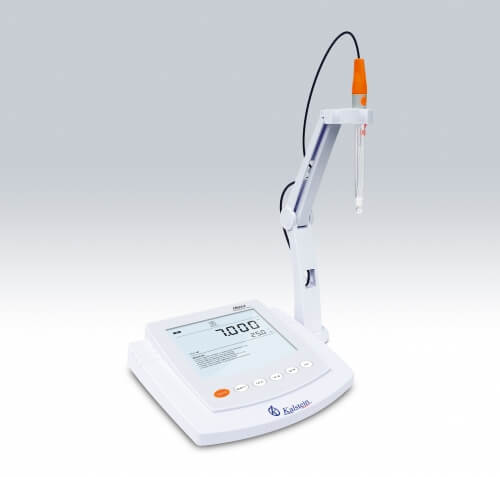
Maximizing ROI and Cost-Benefit Analysis for Laboratory Table Conductivity Controllers
In today's laboratory environments, ensuring optimal return on investment (ROI) and conducting thorough cost-benefit analyses are pivotal. Table conductivity controllers play a significant role in various applications, including environmental monitoring, chemical processing, and water quality assessment. This article delves into the financial implications of choosing the right model and how to maximize efficiency and performance while minimizing costs.
Understanding the Importance of ROI in Laboratory Investments
ROI is a critical metric for laboratories as it helps assess the profitability of investments in equipment, including table conductivity controllers. By understanding both capital expenditures (CAPEX) and operational expenditures (OPEX), laboratories can make informed decisions. CAPEX includes the initial purchase cost, which varies significantly among models. OPEX encompasses ongoing costs, including maintenance, consumables, and energy consumption.
Key Factors Impacting Cost-Benefit Analysis for Table Conductivity Controllers
Several factors play a crucial role in conducting a cost-benefit analysis for table conductivity controllers. These include purchase price, calibration requirements, reliability, and the accuracy of measurements. A laboratory's specific needs, such as the frequency of use and types of samples being analyzed, should also be considered to ensure long-term value.
Comparison of Available Models
| Model | CAPEX (USD) | Cost per Test (USD) | Payback Period (months) | Recommended Scenario |
|---|---|---|---|---|
| YR01836-1 | 355.00 | 1.50 | 6 | Frequent pH and conductivity tests |
| YR01836 | 199.00 | 1.20 | 5 | General laboratory use |
| YR01829-1 | 160.00 | 1.10 | 4 | Daily testing with moderate precision needs |
| YR01829-2 | 235.00 | 1.40 | 6 | Versatile testing scenarios |
| YR01829 | 285.00 | 1.30 | 5 | Advanced testing with data transfer needs |
| YR01828 | 232.00 | 1.25 | 5 | Comprehensive testing including TDS and salinity |
Common Mistakes and How to Avoid Them
Many laboratories make the mistake of focusing solely on initial costs without considering the total cost of ownership (TCO). This includes not accounting for maintenance, calibration, and consumables, which can significantly influence the overall ROI of table conductivity controllers. It is crucial to analyze the long-term implications of equipment purchase decisions to avoid overspending over time.
Strategies to Maximize Cost-Effectiveness
To enhance the cost-effectiveness of using table conductivity controllers, laboratories should consider implementing a scheduled maintenance plan. Regular calibration not only ensures reliable performance but can also extend the lifespan of equipment, reducing the frequency of replacements. Additionally, training staff on proper usage can minimize errors and associated costs.
Energy Efficiency and Environmental Considerations
Energy consumption associated with laboratory equipment is an essential factor in ROI calculations. Choosing table conductivity controllers that have energy-saving features can reduce OPEX. Additionally, laboratories should consider the environmental impact of their equipment choices, opting for models that incorporate sustainable practices or materials.
Future Trends in Table Conductivity Controllers
As technology evolves, table conductivity controllers are becoming more advanced, with features such as enhanced connectivity and data management systems. Integration with laboratory information management systems (LIMS) can streamline workflows and improve data accuracy, contributing to higher overall ROI. Staying informed about these trends can help laboratories make strategic purchasing decisions.
Frequently Asked Questions
How can I assess the ROI of a table conductivity controller for my lab?
To assess the ROI of a table conductivity controller, consider both the initial purchase price and ongoing costs like maintenance and consumables. For example, the YR01836 costs $199.00, with a payback period of around 5 months, making it a cost-effective choice for general laboratory use.
Which table conductivity meter is most cost-effective for daily testing?
The YR01829-1 is an excellent option for daily testing, priced at $160.00 with a low cost per test of $1.10 and a payback period of just 4 months. This model is suitable for labs needing moderate precision.
What are the key features to look for in a table conductivity controller?
Key features include calibration options, measurement accuracy, and added functionalities like data logging and connectivity. For instance, the YR01836-1 offers a multi-parameter capability with automatic calibration, making it versatile for various tests.
How does calibration frequency affect the cost-benefit of conductivity controllers?
Calibration frequency impacts both operational costs and measurement reliability. Regular calibration helps maintain accuracy and reduces the risk of costly errors. Models like the YR01836 provide automatic calibration, which can lower long-term costs.
How can energy consumption influence the selection of conductivity meters?
Energy-efficient models can significantly reduce operational costs over time. It's important to assess the energy footprint of potential table conductivity controllers like the YR01829, which is designed for optimal performance with lower energy consumption.
What are the long-term savings of investing in higher-end conductivity controllers?
Higher-end conductivity controllers tend to offer better durability and advanced features, leading to long-term savings. For example, the YR01829 provides enhanced data management capabilities that streamline workflows and can reduce labor costs.
Which model is best for laboratories requiring advanced connectivity?
The YR01829 is ideal for labs that need advanced connectivity features, including Bluetooth data transfer. Priced at $285.00, it supports efficient data management and integration, ensuring comprehensive analysis and reporting.
How can I improve the cost-effectiveness of my laboratory equipment?
Improving cost-effectiveness involves regularly assessing both direct and indirect costs associated with equipment usage, including maintenance and operational efficiency. Implementing maintenance schedules and proper staff training can yield significant savings.
If you are looking for a fusion of innovation and quality, you have come to the right place. At Kalstein, we offer you the luxury of exploring our exclusive catalog of laboratory equipment. We manufacture every device to the highest standards of excellence. Our intuitive and seamless online purchasing channels are designed for your convenience, securing the most competitive prices. Hesitate no longer — we bring science to life, it is time to become part of our community.