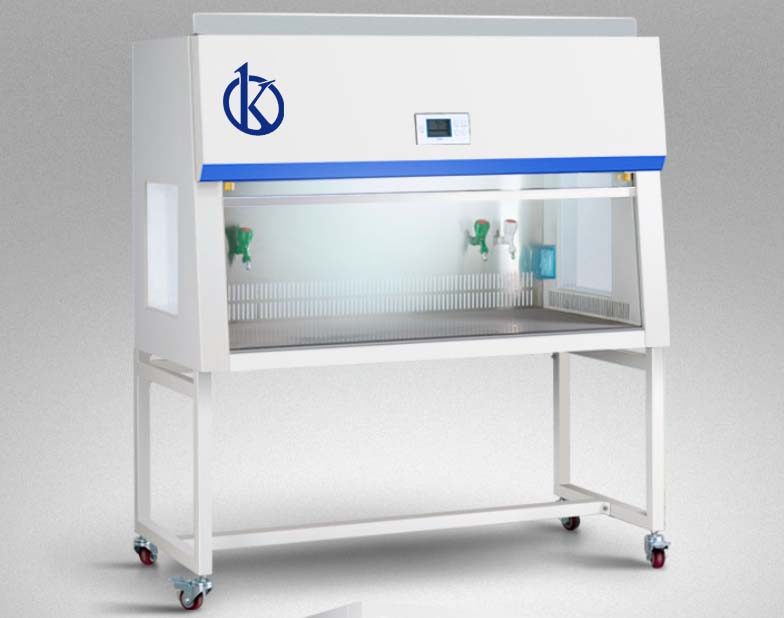
Maximizing ROI and Cost-Benefit Analysis for Vertical Laminar Flow Clean Benches
In the laboratory environment, investing in high-quality equipment such as vertical laminar flow clean benches is crucial for ensuring a sterile work environment. However, understanding the return on investment (ROI) and performing a cost-benefit analysis is equally important for laboratory professionals. This article delves deep into how to assess the ROI of different vertical laminar flow clean benches, providing a clear pathway for making informed purchasing decisions.
Understanding the Importance of ROI in Laboratory Equipment
Return on investment is a key metric that helps laboratories determine the financial benefits of their investments. A comprehensive ROI analysis can help labs evaluate the cost-effectiveness of acquiring vertical laminar flow clean benches. It is essential to compare initial investments against operational costs and potential savings, as this will inform decisions that align with both budget constraints and operational needs.
Key Factors Influencing ROI for Clean Benches
Several factors significantly influence the ROI of vertical laminar flow clean benches, including initial purchase price, maintenance costs, energy consumption, and lifespan. Each of these elements should be quantified to create a comprehensive view of the financial implications. For example, understanding the lifespan and maintenance costs of models like the Laminar Flow Cabin (Double Person) YR05267-1, which has a high efficiency of 99.99%, can help in assessing whether the initial investment will pay off over time.
Cost-Benefit Analysis of Vertical Laminar Flow Clean Benches
A cost-benefit analysis (CBA) provides a systematic approach for evaluating the pros and cons of investing in vertical laminar flow clean benches. By comparing the costs associated with purchasing and using the equipment against the benefits gained, laboratories can make informed decisions. This analysis should include direct costs such as purchase price and indirect costs like labor efficiency and compliance with health regulations.
Comparison Table of Available Models
| Model | Purchase Price (USD) | Maintenance Cost (Annual) | Energy Consumption (kWh/year) | Best Use Scenarios |
|---|---|---|---|---|
| YR05267-1 | 1600.00 | 200 | 500 | Biotechnology, pharmaceuticals, precision electronics |
| YR05734 | 240.00 | 50 | 150 | Scientific experiments, healthcare |
| YR05735 | 300.00 | 60 | 180 | Laboratory use in clean environments |
| YR05736 | 420.00 | 80 | 220 | Medical, pharmaceutical applications |
| YR05737 | 650.00 | 100 | 300 | Advanced laboratory research |
| YR05738 | 590.00 | 90 | 250 | Food, cosmetics, and medical sectors |
Common Mistakes and How to Avoid Them
Laboratories often make mistakes when assessing the ROI of clean benches. Common pitfalls include not considering the total cost of ownership, overlooking maintenance and operational costs, and failing to account for compliance with industry standards. To avoid these mistakes, it is essential to gather comprehensive data on each model, including the expected lifespan and replacement costs, which can be crucial in calculating a more accurate ROI.
Implementing Effective Maintenance Strategies
A well-structured maintenance strategy is crucial for maximizing the ROI of vertical laminar flow clean benches. Regular maintenance can extend the lifespan of the equipment, reduce downtime, and ensure compliance with cleanliness standards. For instance, the regular inspection of the HEPA filters in models like the Laminar Flow Cabin YR05736 can prevent operational issues and maintain air quality.
Maximizing Energy Efficiency
Energy consumption is another critical factor in the cost-benefit analysis of clean benches. By choosing energy-efficient models and implementing practices such as using timers or sensors, laboratories can significantly reduce operational costs. For example, the YR05734 model operates with lower energy consumption compared to others, which can be factored into the overall ROI calculation.
Frequently Asked Questions
What is the average return on investment for vertical laminar flow clean benches?
The average ROI for vertical laminar flow clean benches varies by model, but often ranges from 15-25%. For instance, the Laminar Flow Cabin YR05267-1 can provide substantial value in biotech sectors due to its dual-person design, maximizing throughput while ensuring compliance with ISO standards.
How do energy costs affect the ROI of clean benches in a laboratory?
Energy costs can significantly impact ROI, especially for models like the Horizontal Laminar Flow Cabin YR05735. With an estimated energy consumption of 180 kWh/year, calculating these ongoing costs alongside purchase price is crucial for accurate ROI assessments.
Which model offers the best cost-benefit ratio for small labs?
For small labs, the Horizontal Laminar Flow Cabin YR05734 offers a favorable cost-benefit ratio at an initial price of $240. Its low maintenance costs and efficiency in clean environments make it an ideal choice for labs with budget constraints.
How can a laboratory ensure compliance with health regulations using clean benches?
Compliance with health regulations can be ensured by selecting models that meet ISO 14644 standards. The Laminar Flow Cabin YR05736, for example, complies with Class 100 standards, making it suitable for various regulated applications.
What maintenance practices are essential for maximizing clean bench performance?
Regularly checking and replacing HEPA filters, cleaning surfaces, and ensuring proper airflow are essential for maintaining clean bench performance. The YR05738 model features a user-friendly LCD interface that aids in monitoring these aspects effectively.
Which factors should I consider when selecting a clean bench for a laboratory?
Important factors include initial purchase price, maintenance costs, energy efficiency, and compliance with cleanliness standards. For example, the YR05737 model offers advanced features, but may have higher operational costs that should be evaluated accordingly.
What are the benefits of investing in a high-efficiency clean bench?
Investing in a high-efficiency clean bench like the Laminar Flow Cabin (Double Person) YR05267-1 can lead to better air filtration, improved laboratory workflow, and compliance with stringent industry standards, all contributing to a higher ROI.
How can I track and analyze the ROI of the clean benches in my laboratory?
Tracking ROI can be done by monitoring expenses related to purchase, maintenance, and energy costs while evaluating productivity gains. Utilizing financial software can also help streamline this analysis for models like YR05735.
If you are looking for a fusion of innovation and quality, you have come to the right place. At Kalstein, we offer you the luxury of exploring our exclusive catalog of laboratory equipment. We manufacture every device to the highest standards of excellence. Our intuitive and seamless online purchasing channels are designed for your convenience, securing the most competitive prices. Hesitate no longer — we bring science to life, it is time to become part of our community.