Maximizing ROI and Cost-Benefit Analysis for Veterinary Laparoscopy Systems
Veterinary laparoscopy has become an essential technique in modern veterinary surgery, allowing for minimally invasive procedures that reduce recovery times and improve patient outcomes. The investment in veterinary laparoscopy systems, however, requires careful consideration of return on investment (ROI) and cost-benefit analysis. Understanding how to analyze the financial impact of these systems is crucial for veterinary practices aiming to enhance their surgical offerings while maintaining profitability.
Understanding ROI in Veterinary Laparoscopy
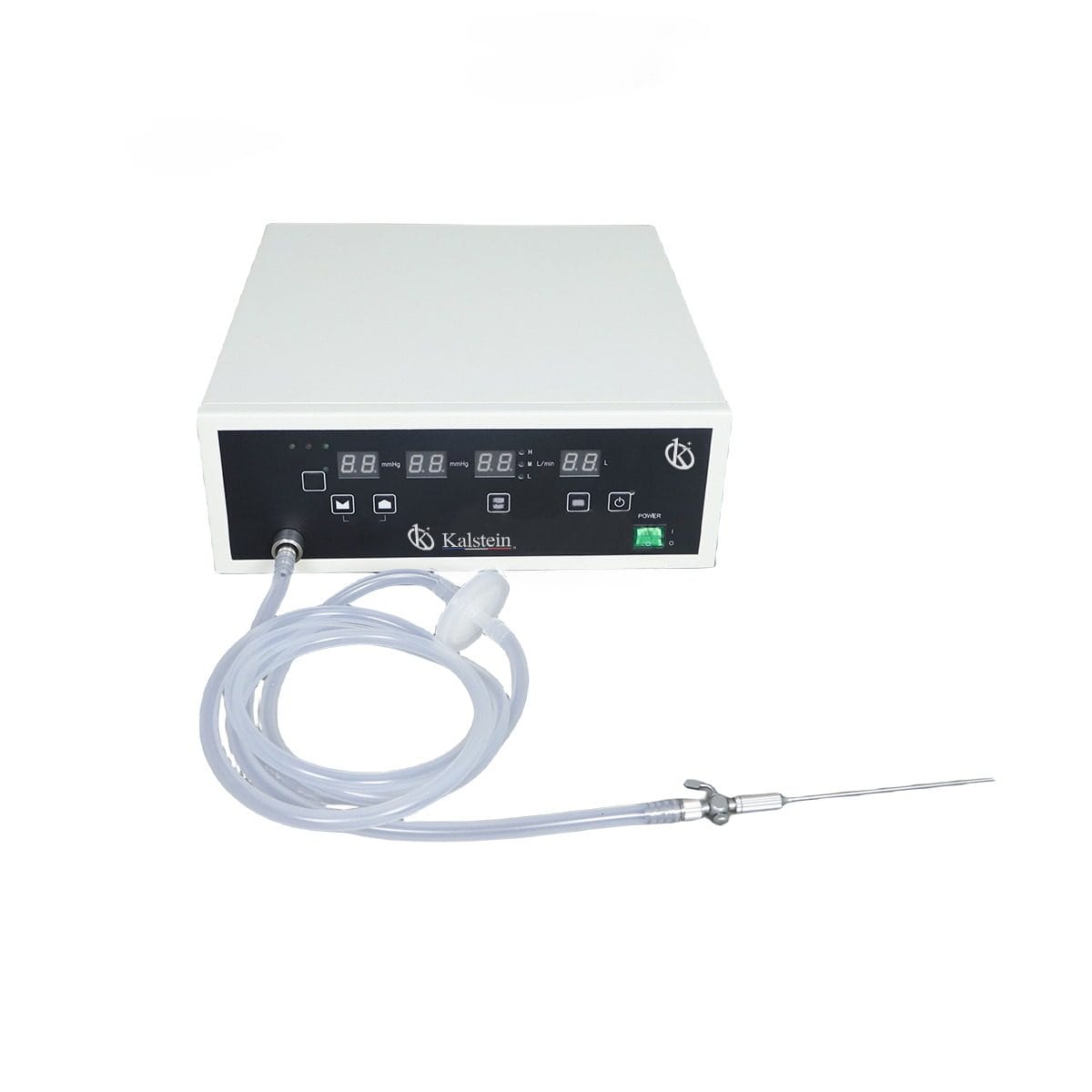
ROI is a key performance indicator used to evaluate the efficiency of an investment. In the context of veterinary laparoscopy systems, it measures the financial return relative to the costs incurred. For example, the investment in a system like the Veterinary CO2 Insufflator YR06157, priced at $1,900, can be viewed against the revenue generated from laparoscopic procedures that it enables. By calculating the number of procedures performed and the associated revenue, practices can determine the profitability of such investments over time.
Key Cost Factors in Veterinary Laparoscopy Systems
When analyzing the cost factors associated with veterinary laparoscopy systems, it is essential to consider both capital expenditures (CAPEX) and operational expenditures (OPEX). CAPEX includes the purchase price of equipment, such as the Mobile High-Definition Endoscopic Imaging System YR06156 at $7,700, while OPEX encompasses maintenance, consumables, and training costs. By breaking down these costs, veterinary practices can develop a clearer picture of their financial commitments.
Developing a Comprehensive Cost-Benefit Analysis
A thorough cost-benefit analysis involves comparing the expected financial gains from increased surgeries against the total costs of operation. For instance, using the Veterinary CO2 Insufflator YR06158, which costs $3,000, practices must estimate the number of surgeries it can facilitate and the revenue generated per surgery. This analysis helps veterinarians make informed decisions about which equipment to invest in and how it fits into their surgical strategy.
Comparison of Available Models
| Model | CAPEX (USD) | Cost per Procedure (USD) | Payback Period (Months) | Best Scenario |
|---|---|---|---|---|
| YR06157 | 1,900 | 200 | 10 | Small animal surgeries |
| YR06156 | 7,700 | 500 | 15 | High-definition imaging needs |
| YR06158 | 3,000 | 250 | 12 | General laparoscopic procedures |
Common Mistakes and How to Avoid Them
One common mistake in evaluating veterinary laparoscopy systems is overlooking total cost of ownership (TCO), which includes all associated costs beyond initial purchase price. Another issue is failing to account for the potential increase in procedural volume that a new system might generate. To avoid these pitfalls, veterinary practices should conduct a comprehensive analysis of both direct and indirect costs, ensuring all factors are considered in the decision-making process.
Frequently Asked Questions
How can I calculate ROI for a Veterinary Laparoscopy System like YR06157?
To calculate ROI for the Veterinary CO2 Insufflator YR06157, consider the revenue generated from procedures facilitated by the system against its initial cost of $1,900. Estimate the number of procedures performed in a year and multiply by the average charge per procedure to ascertain total revenue. Subtract the initial investment from total revenue to find net profit and divide by the initial cost to get the ROI percentage.
What is the typical payback period for Veterinary Laparoscopy Systems?
The payback period varies by model; for example, the Mobile High-Definition Endoscopic Imaging System YR06156 has a payback period of approximately 15 months based on expected revenue. Factors influencing this period include procedure volume and pricing structures. By calculating the average profit per procedure, practices can better estimate their specific payback timelines.
Which factors affect the cost per procedure in veterinary laparoscopy?
The cost per procedure in veterinary laparoscopy is influenced by equipment purchase price, consumables, and labor costs. For instance, the Veterinary CO2 Insufflator YR06158, costing $3,000, may contribute to a cost per procedure of $250 based on usage frequency. Practices should analyze these components to optimize pricing strategies.
How do I determine the best Veterinary Laparoscopy System for my practice?
Determining the best system involves assessing the specific needs of your practice, including surgical volume and types of procedures performed. For example, if high-definition imaging is a priority, the Mobile High-Definition Endoscopic Imaging System YR06156 is recommended despite its higher cost, as it offers advanced imaging capabilities essential for complex surgeries.
What are the operational costs associated with the Veterinary CO2 Insufflator YR06157?
Operational costs for the Veterinary CO2 Insufflator YR06157 include maintenance, consumables like CO2 gas, and any additional accessories needed for surgeries. Estimating these costs accurately helps practices build a comprehensive budget that supports sustainable operations.
How can I enhance the efficiency of my Veterinary Laparoscopy procedures?
Enhancing efficiency can involve investing in systems like the Veterinary CO2 Insufflator YR06158, which supports high flow rates, thereby reducing procedure times. Additionally, training staff on optimal usage of equipment and workflow management can improve overall throughput and effectiveness.
What role do maintenance costs play in the total cost of ownership for laparoscopy systems?
Maintenance costs are critical in determining the total cost of ownership for systems like the Mobile High-Definition Endoscopic Imaging System YR06156. Regular maintenance ensures operational reliability, reduces unexpected repair costs, and extends equipment lifespan, thereby positively affecting overall ROI.
For veterinary practices looking to implement or upgrade their surgical capabilities, understanding the ROI and cost-benefit analysis of veterinary laparoscopy systems is essential. By carefully analyzing each model's features and costs, practices can make informed decisions that enhance their service offerings and financial outcomes.
If you are looking for a fusion of innovation and quality, you have come to the right place. At Kalstein, we offer you the luxury of exploring our exclusive catalog of laboratory equipment. We manufacture every device to the highest standards of excellence. Our intuitive and seamless online purchasing channels are designed for your convenience, securing the most competitive prices. Hesitate no longer — we bring science to life, it is time to become part of our community.