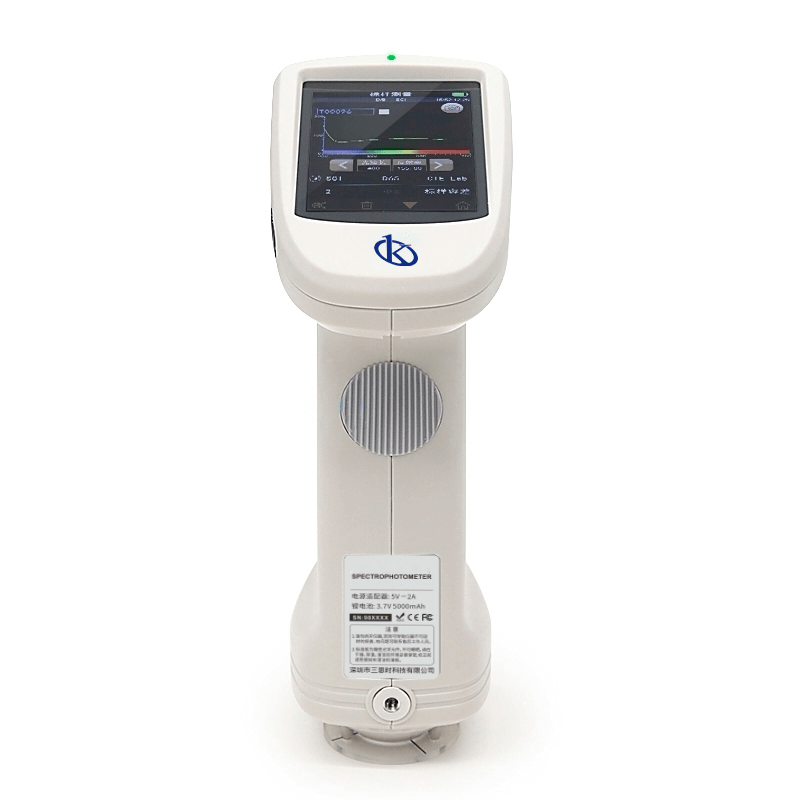
Maximizing ROI and Cost-Benefit Analysis for Handheld Spectrophotometers
In laboratory settings, handheld spectrophotometers provide invaluable data for various applications, but their financial implications are equally important. Conducting a thorough return on investment (ROI) and cost-benefit analysis is crucial for laboratories aiming to maximize efficiency and minimize waste. This article will delve into the different models available, evaluate their financial benefits, and guide laboratory professionals in making informed decisions.
Understanding the ROI and Cost-Benefit Analysis for Handheld Spectrophotometers
Return on investment for handheld spectrophotometers is calculated by comparing the costs associated with purchasing and maintaining the device against the financial benefits derived from its use. This includes operational savings, increased productivity, and improved quality control in various laboratory applications. A comprehensive cost-benefit analysis will help laboratories justify expenditures and optimize their operations.
Key Factors Influencing ROI and Cost-Benefit
The ROI of handheld spectrophotometers can be influenced by several factors, including:
- Initial Cost: The acquisition cost of the spectrophotometer, which varies significantly across models.
- Operational Costs: Expenses related to consumables, maintenance, and energy consumption.
- Output Quality: The accuracy and reliability of results affect the overall operational efficiency.
- Usage Frequency: Higher usage rates can lead to better ROI through economies of scale.
Models Comparison
| Model Code | Initial Cost (USD) | Cost per Test (USD) | Payback Period (Months) | Best for |
|---|---|---|---|---|
| YR05493 | 4254.00 | Variable | 12 | Color measurement in plastics and textiles |
| YR05494 | 3180.00 | Variable | 10 | Quality control in paint and ink industries |
| YR05495 | 2250.00 | Variable | 9 | Textile and garment color measurement |
| YR05496 | 1670.00 | Variable | 8 | General laboratory use with color management |
| YR05499 | 1670.00 | Variable | 8 | Color quality control in various industries |
| YR05498 | 1670.00 | Variable | 8 | Comprehensive color measurement applications |
Common Mistakes and How to Avoid Them
Laboratories often encounter pitfalls when evaluating handheld spectrophotometers. Common mistakes include:
- Neglecting Total Cost of Ownership: It's essential to consider ongoing costs like maintenance and consumables.
- Ignoring Calibration Needs: Regular calibration ensures accuracy, impacting ROI and reliability.
- Overlooking Technical Support: Choosing models with robust customer support can save time and money in the long run.
Integrating Handheld Spectrophotometers into Laboratory Operations
Integrating handheld spectrophotometers into existing laboratory workflows can significantly enhance productivity. By streamlining processes such as color measurement in textiles or quality control in paint, laboratories can achieve better output quality and efficiency. Proper training for staff and regular performance reviews are crucial to maximize the benefits from these instruments.
Maximizing Efficiency with Handheld Spectrophotometers
To maximize ROI, laboratories must focus on operational efficiency. This can be achieved by implementing effective scheduling, reducing downtime, and utilizing automation where possible. Choosing a model with a lower cost per test can lead to substantial savings over time.
Frequently Asked Questions
How much does a handheld spectrophotometer cost for color measurement?
The cost of a handheld spectrophotometer varies depending on the model. For example, the YR05493 is priced at $4,254, making it suitable for applications in the plastics and textile industries.
Which handheld spectrophotometer offers the best ROI for laboratories?
The YR05495, priced at $2,250, is expected to provide a quick payback period of around 9 months, making it a solid choice for laboratories focused on textile color measurement.
What are the main operational costs associated with handheld spectrophotometers?
Operational costs include maintenance, calibration, and consumables. Devices like the YR05496 can help minimize these costs through efficient design and robust performance.
How can calibration impact the ROI of spectrophotometers?
Regular calibration ensures accurate results, directly impacting the reliability of measurements. For instance, a poorly calibrated YR05494 may lead to incorrect color formulations, increasing costs significantly.
What model should I choose for quality control in the paint industry?
The YR05494 is specifically designed for quality control in paint, boasting features that meet industry standards and providing reliable color measurements.
How does the usage frequency of a handheld spectrophotometer affect its ROI?
Increasing usage frequency can lower the cost per test, improving the ROI. For example, a frequently used YR05499 will achieve higher returns quicker than a rarely used model.
Can handheld spectrophotometers integrate with laboratory software?
Yes, many models, including the YR05496, can integrate with laboratory management software, enhancing data tracking and analysis, which is crucial for operational efficiency.
What is the best handheld spectrophotometer model for educational use?
The YR05498 is an excellent choice for educational institutions due to its versatility and cost-effectiveness, facilitating a wide range of color measurement experiments.
If you are looking for a fusion of innovation and quality, you have come to the right place. At Kalstein, we offer you the luxury of exploring our exclusive catalog of laboratory equipment. We manufacture every device to the highest standards of excellence. Our intuitive and seamless online purchasing channels are designed for your convenience, securing the most competitive prices. Hesitate no longer — we bring science to life, it is time to become part of our community.