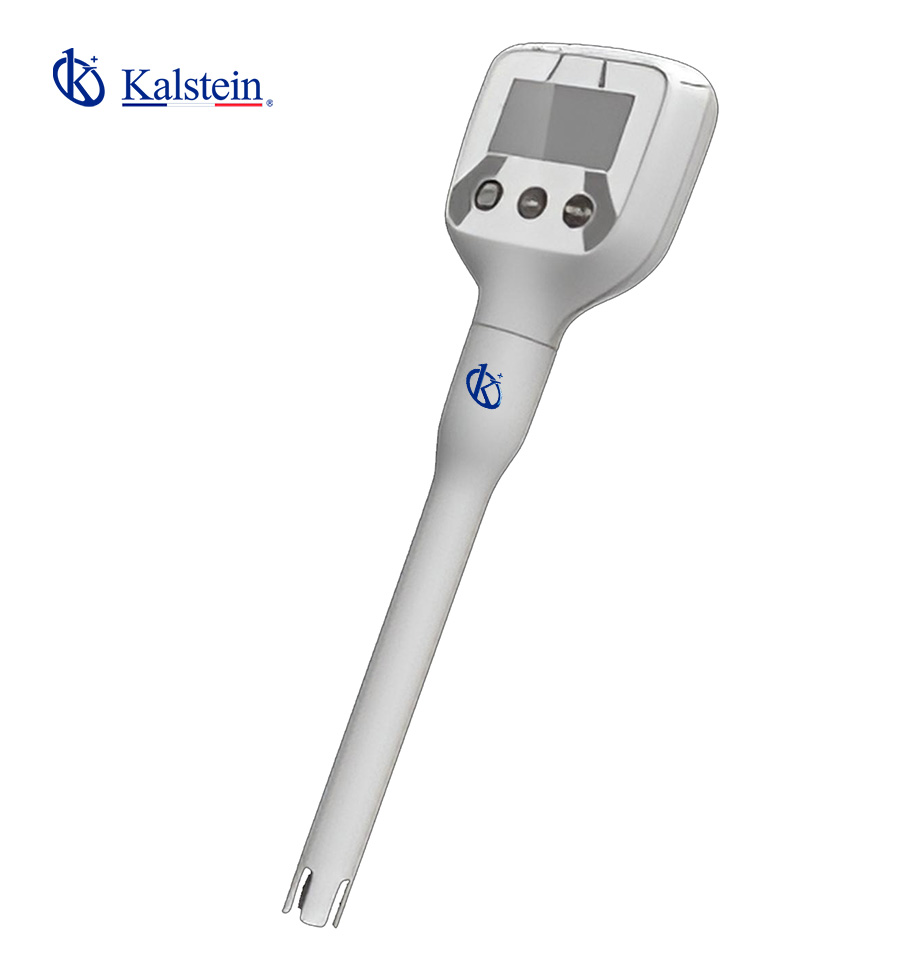
Maximizing ROI and Cost-Benefit Analysis for Portable Conductivity Meters
In today's fast-paced laboratory environments, making informed decisions regarding equipment procurement and utilization is critical. Portable conductivity meters, such as the YR01805, YR01806, YR01808, YR01809, YR01810, and YR01811 models, play a vital role in various applications, including environmental testing, food quality analysis, and water quality monitoring. Understanding the return on investment (ROI) and conducting a thorough cost-benefit analysis can significantly enhance the value these instruments bring to a laboratory's operations.
Understanding ROI in Laboratory Equipment Investments
Return on investment (ROI) is a performance measure used to evaluate the efficiency of an investment, calculated by dividing the net profit from the investment by the initial cost. In the context of portable conductivity meters, factors such as operational efficiency, reduction in reagent consumption, and time savings contribute to a positive ROI. Implementing a robust measurement strategy can help laboratories quantify these benefits effectively.
Cost-Benefit Analysis for Portable Conductivity Meters
A cost-benefit analysis (CBA) evaluates the economic worth of an investment by comparing costs with expected benefits over time. For portable conductivity meters, costs include initial purchase price, maintenance, calibration, and consumables. Benefits encompass increased accuracy, time savings, and improved data management. By conducting a CBA, laboratories can justify the acquisition of higher-quality instruments against their costs.
Key Considerations for Conducting a Cost-Benefit Analysis
When performing a cost-benefit analysis for portable conductivity meters, consider the following:
- Initial Costs: Include the purchase price, delivery, and setup.
- Operating Costs: Factor in maintenance, calibration, and consumables.
- Benefits: Calculate savings in labor costs, improved throughput, and enhanced accuracy.
Comparison of Available Models
| Model | Purchase Price (USD) | Operating Cost (annually) | Estimated Savings (annually) | Payback Period (months) |
|---|---|---|---|---|
| YR01805 | 24.00 | 5.00 | 150.00 | 0.19 |
| YR01806 | 149.00 | 10.00 | 800.00 | 0.20 |
| YR01808 | 59.00 | 7.00 | 300.00 | 0.20 |
| YR01809 | 62.00 | 7.50 | 320.00 | 0.22 |
| YR01810 | 65.00 | 8.00 | 350.00 | 0.22 |
| YR01811 | 50.00 | 6.00 | 200.00 | 0.30 |
Mitigating Risks to Achieve a Positive ROI
To ensure a positive ROI, it is vital to minimize risks associated with equipment investments. This can be achieved by:
- Thoroughly Testing Equipment: Use demonstrations or trial periods to evaluate performance.
- Conducting Regular Maintenance: Preventive maintenance can extend the life and performance of portable conductivity meters.
- Training Staff: Ensure laboratory personnel are well-trained to operate the instruments accurately.
Common Mistakes and How to Avoid Them
Laboratories often make critical errors when evaluating the ROI of portable conductivity meters. Here are common pitfalls and strategies to avoid them:
- Ignoring Lifetime Costs: Focus on total cost of ownership instead of just initial purchase price.
- Underestimating Training Needs: Budget for ongoing training to maximize instrument utility.
- Neglecting Calibration: Regular calibration is essential for maintaining measurement accuracy.
Frequently Asked Questions
What is the ROI for the YR01806 portable conductivity meter in laboratory settings?
The YR01806, priced at $149, can achieve an annual saving of approximately $800, leading to a payback period of just 0.20 months. This contributes to a strong ROI calculation.
How do I calculate the cost-effectiveness of portable conductivity meters?
To calculate the cost-effectiveness of portable conductivity meters, determine the total cost of ownership, including initial cost, operational costs, and potential savings. For instance, the YR01808 offers significant savings against its $59 purchase price.
What annual savings can I expect from using the YR01810 model?
The YR01810 model provides an estimated annual saving of $350 against its $65 purchase price, making it a worthwhile investment for laboratories focused on precision and accuracy.
Which portable conductivity meter has the shortest payback period?
The YR01805 has the shortest payback period of approximately 0.19 months, making it an attractive option for budget-conscious laboratories.
How much should I budget for maintenance of portable conductivity meters?
Annual maintenance costs for portable conductivity meters typically range from $5 to $10. For example, the YR01806 incurs around $10 annually, which should be factored into your budget.
What factors should I consider when selecting a portable conductivity meter?
Consider initial costs, maintenance expenses, expected annual savings, and payback periods when selecting a portable conductivity meter. Evaluate models like the YR01809 for balanced performance and cost.
What is the average accuracy of portable conductivity meters like the YR01811?
The YR01811 model has an accuracy of ±1% FS, providing reliable performance across various applications, making it suitable for laboratory environments.
How can I ensure proper calibration of portable conductivity meters?
Implement a routine calibration schedule based on manufacturer recommendations to ensure ongoing accuracy. The YR01806 model supports 1-3 point calibrations for enhanced precision.
If you are looking for a fusion of innovation and quality, you have come to the right place. At Kalstein, we offer you the luxury of exploring our exclusive catalog of laboratory equipment. We manufacture every device to the highest standards of excellence. Our intuitive and seamless online purchasing channels are designed for your convenience, securing the most competitive prices. Hesitate no longer — we bring science to life, it is time to become part of our community.