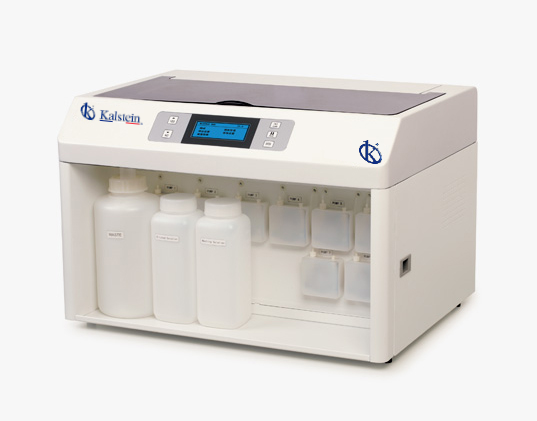
Maximizing ROI in Food Safety Analyzers: A Comprehensive Guide
In today's competitive laboratory environment, understanding the return on investment (ROI) and conducting a thorough cost-benefit analysis for Food Safety Analyzers are crucial for optimizing laboratory operations. This article will delve into the various factors to consider when assessing the economic viability of different models, ensuring that laboratory professionals can make informed purchasing decisions that align with their operational goals.
Overview of Food Safety Analyzers and Their Importance
Food Safety Analyzers play a pivotal role in laboratories tasked with ensuring food quality and safety. These devices help detect contaminants, residues, and allergens in food products, directly impacting public health and regulatory compliance. Understanding their ROI is essential in justifying their purchase and ongoing operational costs.
Key Metrics for ROI Evaluation in Food Safety Analyzers
When evaluating the ROI of Food Safety Analyzers, several critical metrics should be considered:
- Initial Capital Expenditure (CAPEX): The upfront cost associated with purchasing the equipment.
- Operational Expenditure (OPEX): Ongoing costs including maintenance, consumables, and utilities.
- Payback Period: The time required to recover the initial investment through savings or increased efficiency.
- Cost per Test: A calculation of the expense incurred for each test performed.
Cost-Benefit Analysis: Breaking Down the Numbers
Conducting a cost-benefit analysis involves comparing the anticipated benefits of using Food Safety Analyzers to the costs incurred. This section will outline a sample analysis for three models:
| Model | Initial Cost (USD) | Annual OPEX (USD) | Estimated Tests/Year | Cost per Test (USD) | Payback Period (Months) |
|---|---|---|---|---|---|
| YR06090 | 3000 | 500 | 4000 | 0.875 | 8 |
| YR06089 | 2000 | 300 | 5000 | 0.660 | 5 |
| YR06093 | 550 | 250 | 2000 | 0.400 | 3 |
Comparison of Available Models
In this section, we will compare the different Food Safety Analyzers available, focusing on key specifications related to ROI and operational efficiency.
| Model | Initial Cost (USD) | Testing Capacity | Key Applications | Best For |
|---|---|---|---|---|
| YR06090 | 3000 | 40 strips per run | Immunology tests, high demand labs | High throughput |
| YR06089 | 2000 | 96 tests on one plate | Pesticide and antibiotic detection | Versatile testing scenarios |
| YR06093 | 550 | Compatible with Elisa and cell culture plates | Incubation and shaking | Combination equipment needs |
Common Mistakes and How to Avoid Them
Laboratories often make miscalculations that can lead to poor investment decisions. Here are some common pitfalls and strategies to avoid them:
- Neglecting Total Cost of Ownership: Look beyond initial purchase prices to include all operational costs.
- Failing to Assess Testing Needs: Ensure the analyzer's capacity aligns with your laboratory's testing volume.
- Ignoring Maintenance and Support: Factor in the availability of technical support and maintenance costs.
Frequently Asked Questions
What factors should I consider when choosing a Food Safety Analyzer?
When selecting a Food Safety Analyzer, consider the initial cost, testing capacity, and specific applications it supports. For example, the YR06089 is designed for versatile testing scenarios, making it ideal for laboratories with varied requirements.
How can I calculate the cost per test for my Food Safety Analyzer?
To calculate the cost per test, divide the total annual operating expenses by the number of tests conducted in a year. For instance, with the YR06093 model, if you perform 2000 tests at an annual OPEX of $250, the cost per test would be $0.125.
What is the average payback period for Food Safety Analyzers?
The average payback period can vary based on usage and costs but generally ranges from 3 to 8 months. For instance, the YR06089 has a payback period of approximately 5 months, making it a financially sound investment.
Which Food Safety Analyzer offers the best value for money?
The YR06089 model offers excellent value for money due to its multi-testing capability and affordable initial cost of $2000, which allows for a rapid return on investment in busy laboratories.
Can Food Safety Analyzers help with regulatory compliance?
Yes, Food Safety Analyzers like the YR06090 help ensure compliance with food safety regulations by providing reliable testing results, essential for passing inspections and maintaining quality standards.
How often should I calibrate my Food Safety Analyzer?
Calibration frequency depends on the specific model and usage, but it is generally recommended to calibrate Food Safety Analyzers before critical testing sessions. Regular checks ensure accuracy and compliance with industry standards.
What are the benefits of using a multi-purpose Food Safety Analyzer?
Multi-purpose analyzers, such as the YR06089, reduce the need for multiple devices, saving space and costs while increasing efficiency by allowing for various tests to be conducted on a single platform.
How do I ensure the longevity of my Food Safety Analyzer?
To extend the lifespan of your Food Safety Analyzer, follow the manufacturer's maintenance guidelines, perform regular cleaning, and ensure proper calibration. This proactive approach minimizes downtime and enhances performance.
If you are looking for a fusion of innovation and quality, you have come to the right place. At Kalstein, we offer you the luxury of exploring our exclusive catalog of laboratory equipment. We manufacture every device to the highest standards of excellence. Our intuitive and seamless online purchasing channels are designed for your convenience, securing the most competitive prices. Hesitate no longer — we bring science to life, it is time to become part of our community.