Understanding Measurement Interpretation with the YR03732-2 Pipette
The YR03732-2 pipette is an essential tool for precise fluid handling in laboratories. This article delves into the intricacies of interpreting measurement results when using this specific model. Understanding how to properly read measurements can significantly reduce errors and enhance experimental outcomes.
Measurement Fundamentals of the YR03732-2
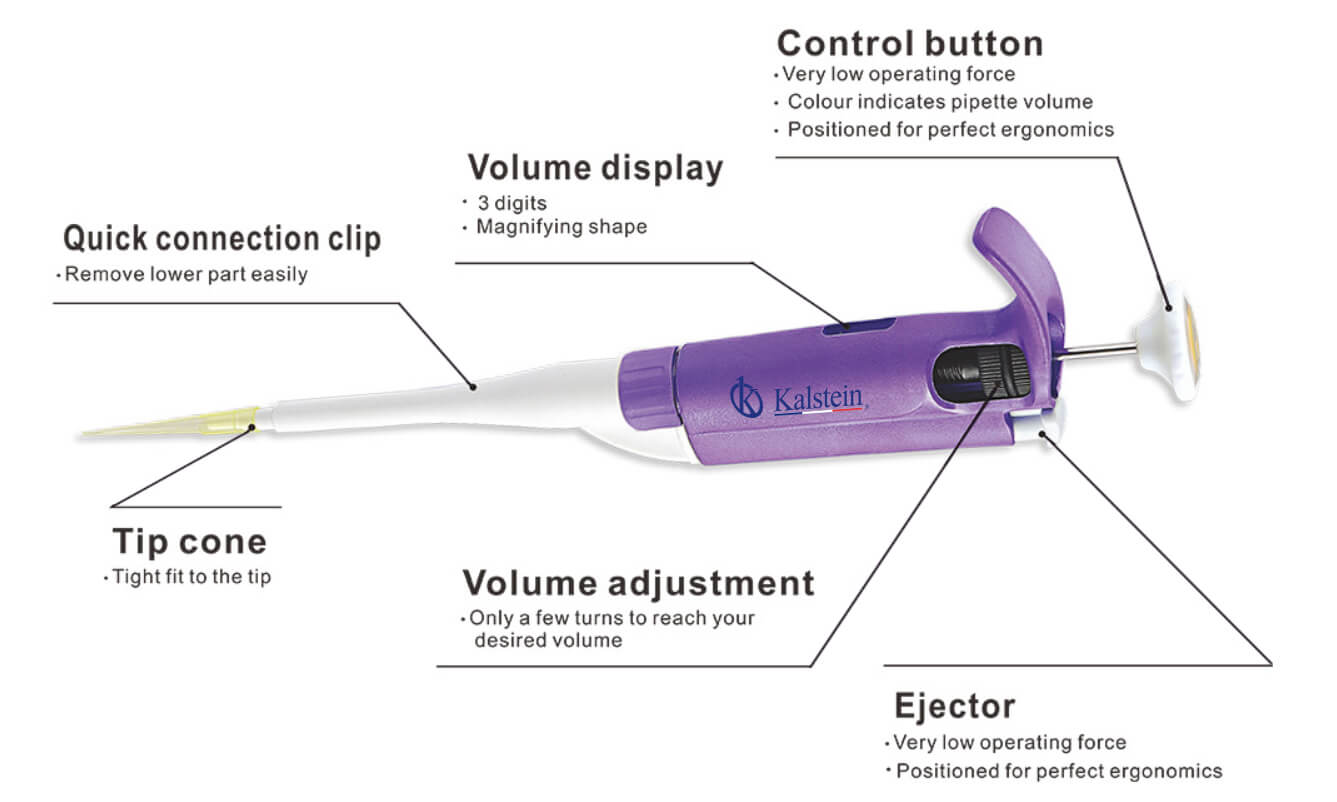
The YR03732-2 is a fixed-volume air displacement pipette with a volume range from 2 to 20μl. Its digital volume indicator provides real-time feedback on the selected volume, ensuring operators can easily monitor their measurements. Understanding how this pipette operates is crucial for accurate measurement interpretation.
Air displacement pipettes work on the principle of creating a vacuum to draw liquid into the pipette tip. This process is dependent on the precision of the pipette's mechanics and proper operator technique. Any deviation in technique or equipment calibration can lead to inaccurate readings.
Technical Specifications of the YR03732-2
| Model | Volume Range | Accuracy | Repeatability |
|---|---|---|---|
| YR03732-2 | 2 – 20μl | ±2.5 – 1.0 % | ≤1.50 – 0.30% |
Interpreting Measurement Results
When using the YR03732-2, accurate reading of measurements is pivotal. The display shows the set volume along with potential error margins, which are critical to consider in experimental setups. Error bars indicate the reliability of the measurements and should guide the user in understanding their results.
Common units of measurement in pipetting include microliters (μl), and recognizing these units is essential for proper interpretation. Operators must also be aware of the normal ranges expected for specific protocols to analyze results effectively.
Common Misinterpretations When Using the YR03732-2
Misreading the display can result in significant errors. One frequent mistake is overlooking the decimal placement, which can drastically alter the measured volume. Additionally, failure to account for the pipette’s accuracy specifications can lead to misinterpretation of results.
Another common issue is misunderstanding error margins displayed on the pipette. Users should always evaluate the precision of their measurements within the context of the provided error margins, which reflect the pipette's performance under specific conditions.
Improving Measurement Accuracy with Proper Techniques
To enhance accuracy when using the YR03732-2, operators should follow best practices such as pre-wetting the pipette tips and using consistent pipetting techniques. These practices minimize variability and ensure that the fluid behaves consistently within the pipette.
Calibration is also essential. Regularly checking the pipette against known standards can help maintain its performance and reliability. Calibration should be performed according to manufacturer guidelines to ensure accurate results.
Sector-Specific Applications of the YR03732-2
In clinical laboratories, the YR03732-2 is often used for dispensing small, precise volumes of reagents for assays. Accuracy in these environments is vital to ensure test results are reliable and reproducible.
In educational settings, the YR03732-2 provides students with practical experience in laboratory techniques, helping them understand fluid dynamics and measurement principles firsthand.
Frequently Asked Questions
What are the best practices for reading measurements on the YR03732-2?
To read measurements accurately on the YR03732-2, ensure that you are eye-level with the display to avoid parallax errors. Make sure the pipette is held vertically and that the volume indicator is clearly visible.
How can I reduce errors when using the YR03732-2?
Errors can be minimized by adhering to proper pipetting techniques such as pre-wetting tips, using consistent speeds when drawing and dispensing liquid, and ensuring that the pipette is calibrated regularly.
What should I do if I suspect my YR03732-2 is not delivering accurate measurements?
If inaccuracies are suspected, first check the calibration of the pipette. If the pipette is out of calibration, recalibrate it according to the manufacturer's instructions. If issues persist, consider replacing the pipette tips or conducting further diagnostics.
Can environmental factors affect the measurement accuracy of the YR03732-2?
Yes, environmental factors such as temperature, humidity, and air pressure can all influence the performance of the YR03732-2. It is important to use the pipette within specified environmental conditions to obtain reliable measurements.
What are error margins and how do they affect my results with the YR03732-2?
Error margins indicate the degree of uncertainty in your measurements. For the YR03732-2, knowing the accuracy specification helps you assess whether the measured volume falls within a reliable range.
How do I know when to replace my YR03732-2 pipette?
Signs that indicate it may be time to replace your YR03732-2 include frequent inaccuracies in measurements, physical damage to the pipette, or difficulty in adjusting the volume settings.
If you are looking for a fusion of innovation and quality, you have come to the right place. At Kalstein, we offer you the luxury of exploring our exclusive catalog of laboratory equipment. We manufacture every device to the highest standards of excellence. Our intuitive and seamless online purchasing channels are designed for your convenience, securing the most competitive prices. Hesitate no longer — we bring science to life, it is time to become part of our community.