Mechanical Desktop Ultrasonic Cleaners: Best Techniques and Protocols 2026
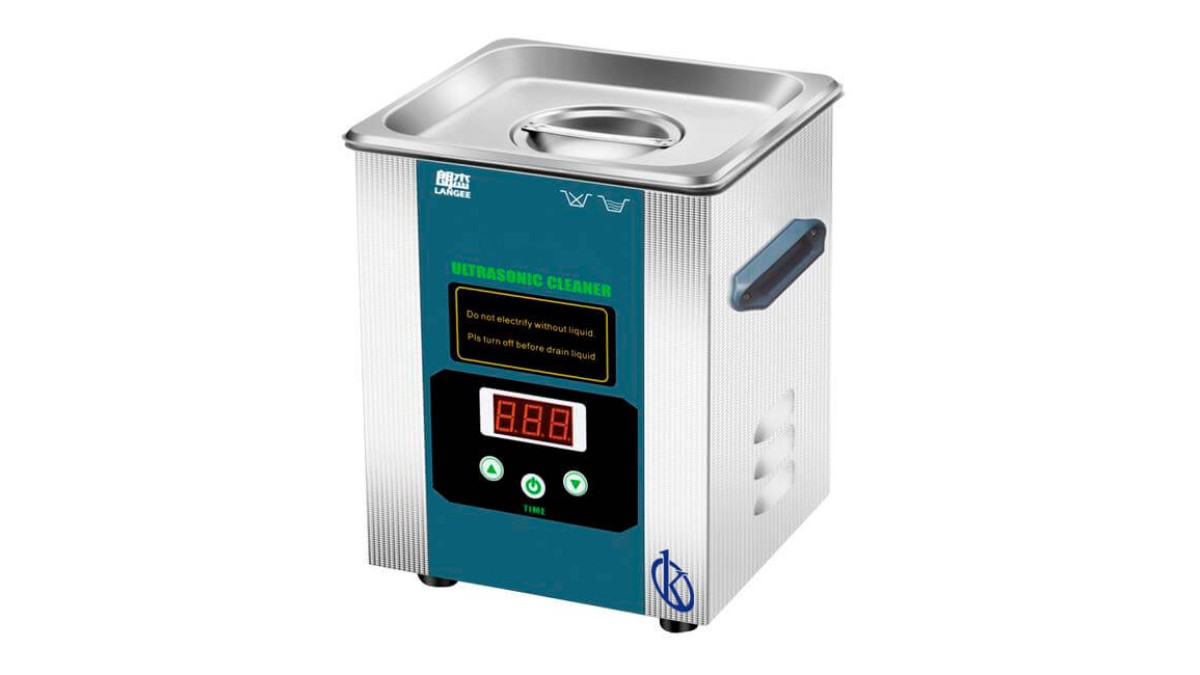
Mechanical desktop ultrasonic cleaners are integral to the modern laboratory, facilitating the efficient cleaning of delicate instruments and components. With advancements in technology, these devices have evolved to provide superior cleaning capabilities, especially for intricate items such as jewelry, electronics, and laboratory instruments. In 2026, the focus shifts to understanding their practical applications, best practices, and emerging techniques.
What is it used for in 2026
In 2026, mechanical desktop ultrasonic cleaners are primarily used for:
- Jewelry Cleaning: Effectively removes dirt and tarnish from intricate designs without damage.
- Laboratory Instruments: Cleans glassware and precision tools to ensure accuracy in experiments.
- Electronics: Safely cleans circuit boards and electronic components, prolonging their lifespan.
- Medical Equipment: Sterilizes tools and equipment to meet hygiene standards in clinical settings.
- Automotive Parts: Cleans carburetors, injectors, and other small components without manual scrubbing.
History and evolution of the technology
The ultrasonic cleaning technology dates back to the 1950s when it was first introduced in industrial applications. Initially, it was limited to large-scale operations in manufacturing. Over the decades, advancements in microprocessor control and digital technology have made ultrasonic cleaners more compact and efficient for desktop use. The introduction of multiple frequency options and heating elements has further enhanced cleaning capabilities, making these devices versatile for various applications.
How to use it step by step
Using a mechanical desktop ultrasonic cleaner is straightforward. Here’s a step-by-step guide:
- Select the Model: Choose an appropriate model based on the items you need to clean.
- Prepare the Cleaning Solution: Fill the tank with an appropriate cleaning solution, ensuring it is suitable for the materials being cleaned.
- Load the Items: Place the items into the cleaning basket, ensuring they do not touch each other.
- Set the Time and Temperature: Adjust the timer and temperature settings according to the manufacturer’s guidelines for optimal cleaning.
- Start the Cleaner: Turn on the ultrasonic cleaner and monitor the process.
- Rinse and Dry: After the cycle is complete, rinse the items with clean water and dry them appropriately.
Best techniques and protocols
To achieve the best cleaning results with ultrasonic cleaners, consider the following techniques:
- Right Frequency: Use lower frequencies (20-40 kHz) for heavy, strong contaminants and higher frequencies (80-120 kHz) for delicate items.
- Heating the Solution: Heating the cleaning solution can improve cleaning efficiency, especially for greasy or sticky residues.
- Pre-cleaning: For heavily soiled items, pre-cleaning can be beneficial to ensure the ultrasonic cleaning process is effective.
- Regular Cleaning: Regularly clean the tank and change the solution to maintain cleanliness and extend the lifespan of the device.
Practical applications by laboratory type
Different laboratory environments utilize ultrasonic cleaners for various applications:
Research Laboratories
In research laboratories, ultrasonic cleaners are used to maintain the cleanliness of glassware and equipment, ensuring accurate experimental results.
Medical Laboratories
Medical laboratories use ultrasonic cleaning to sterilize surgical instruments and lab tools, essential for preventing contamination.
Jewelry and Watchmaking
In jewelry shops, ultrasonic cleaners are preferred for restoring the shine of pieces without damaging sensitive settings.
Electronics
Electronics repair shops employ ultrasonic cleaners to remove flux and dust from circuit boards effectively.
Regulations, standards and certifications
In 2026, laboratories must adhere to specific regulations regarding the use of ultrasonic cleaners. Key standards include:
- ISO 9001: Ensures quality management systems are in place for cleaning processes.
- ISO 13485: Relevant for medical laboratories, focusing on the quality management of medical devices.
- ASTM Standards: Provides guidelines for cleaning processes and materials used in various applications.
Comparison with alternative technologies
Ultrasonic cleaning offers advantages over traditional cleaning methods:
- Efficiency: Ultrasonic cleaners can remove contaminants from complex geometries where brushes and cloths cannot reach.
- Consistency: Provides uniform cleaning results as compared to manual cleaning.
- Reduced Labor: Automated cleaning reduces the need for manual scrubbing, saving time and labor costs.
Alternative cleaning technologies include steam cleaning, chemical baths, and manual scrubbing, each with unique advantages but often lacking the efficiency and thoroughness of ultrasonic cleaning.
Comparison of available models
| Model | Best for | Key specs | Recommended use case |
|---|---|---|---|
| YR05207 | Jewelry and delicate items | 1.3L capacity, 70W power, 40kHz frequency | Cleaning of compact jewelry items and glasses. |
| YR05202 | Laboratory and medical use | 11L capacity, 360W power, 40/80/120kHz frequency | General-purpose cleaning of lab equipment. |
| YR05203 | Laboratory and medical use | 15L capacity, 360W power, 40/80/120kHz frequency | For larger lab instruments requiring thorough cleaning. |
| YR05204 | Laboratory and medical use | 20L capacity, 360W power, 40/80/120kHz frequency | For cleaning larger batches of lab materials. |
| YR05205 | Industrial applications | 22L capacity, 480W power, 40/80/120kHz frequency | For heavy-duty cleaning of mechanical parts. |
| YR05206 | Industrial applications | 30L capacity, 600W power, 40/80/120kHz frequency | For extensive cleaning in industrial settings. |
Common mistakes and how to avoid them
When using ultrasonic cleaners, several common mistakes can lead to ineffective cleaning:
- Overloading the Tank: Avoid placing too many items at once, which can impede effective cleaning.
- Wrong Cleaning Solution: Always use a cleaning solution suitable for the materials being cleaned to avoid damage.
- Ignoring Maintenance: Regularly check and maintain the device to ensure optimal performance.
Maintenance, calibration and good practices 2026
To maintain an ultrasonic cleaner in 2026:
- Regular Cleaning: Clean the tank and transducers to remove residue buildup.
- Calibration: Perform regular calibration checks to ensure accurate operation and settings.
- Proper Storage: Store in a dry environment to prevent corrosion and damage.
Cost-benefit analysis 2026
Investing in mechanical desktop ultrasonic cleaners offers significant benefits:
- Time Savings: Automated cleaning processes save hours compared to manual cleaning.
- Reduced Labor Costs: Less need for manual cleaning reduces labor expenses.
- Quality Assurance: Consistent cleaning results enhance the quality of laboratory output.
Overall, the cost of purchasing an ultrasonic cleaner is offset by the efficiency and effectiveness it provides in daily laboratory operations.
Frequently asked questions
What are the best cleaning solutions for ultrasonic cleaners?
The best cleaning solutions are those specifically designed for ultrasonic cleaning, which are effective in breaking down contaminants without damaging the items.
Can I clean electronic components with an ultrasonic cleaner?
Yes, ultrasonic cleaners are effective for cleaning electronic components, but ensure the items are sealed to prevent moisture damage.
How do I know which ultrasonic cleaner model to choose?
Consider the type of items you will be cleaning, the size of the batches, and the required cleaning specifications to choose the right model.
What frequency setting should I use for delicate items?
For delicate items, higher frequency settings (80-120 kHz) are recommended to prevent damage while ensuring effective cleaning.
How often should I change the cleaning solution?
Change the cleaning solution regularly based on usage; if the solution appears dirty or contaminated, replace it immediately.
Are ultrasonic cleaners safe for all materials?
No, some materials, such as soft plastics or certain stones, may be damaged by ultrasonic cleaning. Always check compatibility before use.
Where can I request a quote for ultrasonic cleaners?
You can request a quote for ultrasonic cleaners through various online platforms catering to laboratory equipment.
If you are looking for a fusion of innovation and quality, you have come to the right place. At Kalstein, we offer you the luxury of exploring our exclusive catalog of laboratory equipment. We manufacture every device to the highest standards of excellence. Our intuitive and seamless online purchasing channels are designed for your convenience, securing the most competitive prices. Hesitate no longer — we bring science to life, it is time to become part of our community.