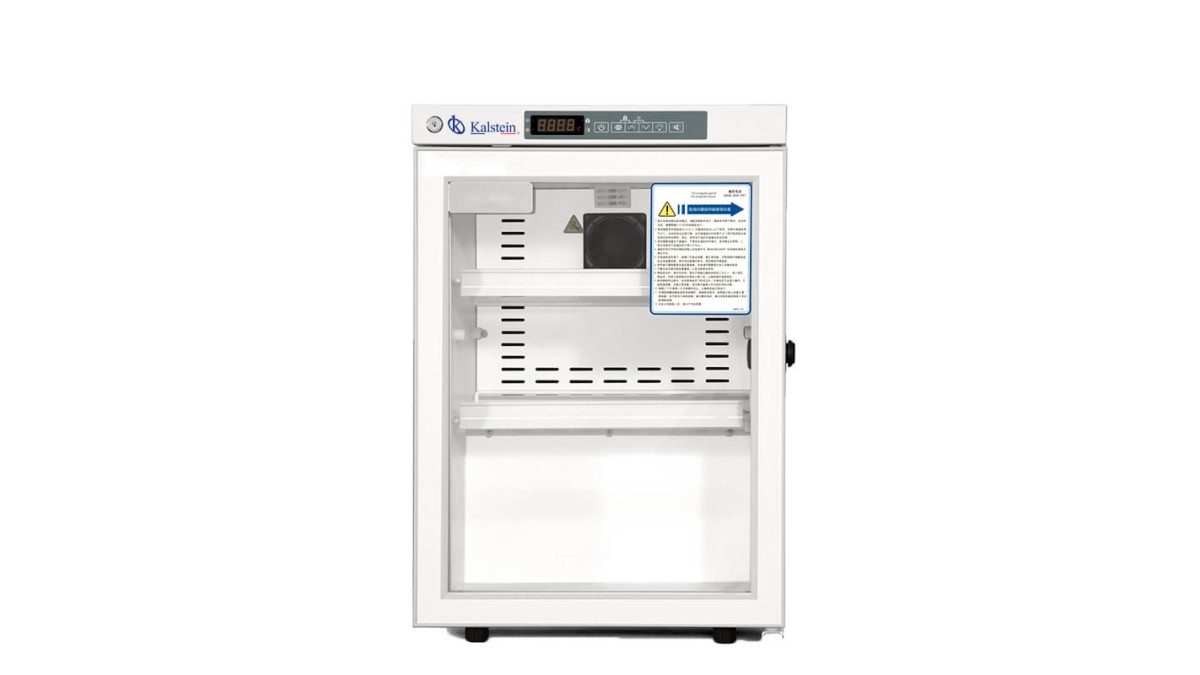
Medical Refrigerators: Practical Applications and Techniques 2026
As laboratories strive to maintain the integrity of sensitive materials, medical refrigerators have become pivotal. They provide a controlled environment for storing pharmaceuticals, vaccines, and biological samples. In this article, we will explore the practical applications, best practices, and techniques involved in using medical refrigerators effectively in 2026.
What is it used for in 2026
Medical refrigerators are essential in various laboratory settings, including research facilities, hospitals, and pharmaceutical companies. These refrigerators are specifically designed to keep temperature-sensitive materials at optimal conditions to ensure their efficacy and safety. In 2026, the key uses of medical refrigerators include:
- Storing vaccines to ensure they remain effective.
- Maintaining the integrity of blood samples and other biological specimens.
- Safeguarding pharmaceuticals that require refrigeration.
- Providing a stable environment for laboratory reagents and chemicals.
History and evolution of the technology
The evolution of medical refrigeration technology has been remarkable. Initially, simple iceboxes were used to store temperature-sensitive materials. As scientific understanding improved, so did refrigeration technology. Advances in compressor technology, insulation materials, and temperature control systems have led to the development of modern medical refrigerators. Today, features such as alarms for temperature deviations, digital displays, and USB data logging are standard, enhancing safety and reliability.
How to use it step by step
Using a medical refrigerator effectively involves several steps:
- Set Up: Choose a location that maintains a stable ambient temperature. Ensure the fridge is level and has adequate ventilation.
- Initial Setup: Plug in the refrigerator and set the desired temperature. Most medical refrigerators operate best between 2°C to 8°C.
- Load the Refrigerator: Place items in the refrigerator carefully, avoiding overcrowding to ensure proper air circulation.
- Monitor Temperature: Regularly check the temperature, utilizing built-in digital displays and external thermometers if necessary.
- Data Logging: If the refrigerator supports USB data export, regularly log and analyze the temperature data for compliance and safety.
- Maintenance Checks: Conduct routine maintenance checks and clean the interior and exterior periodically to ensure optimal performance.
Best techniques and protocols
To maximize the efficiency and longevity of medical refrigerators, consider the following techniques and protocols:
- Ensure regular calibration of the temperature settings to maintain accuracy.
- Implement a FIFO (First In, First Out) method for stored items to use older stock first.
- Utilize insulated containers for items that are frequently accessed to maintain internal temperature.
- Schedule routine maintenance with trained technicians to avoid unexpected breakdowns.
- Train all staff on the importance of maintaining proper storage protocols to prevent contamination.
Practical applications by laboratory type
Different laboratories employ medical refrigerators for various applications:
Research Laboratories
Used for storing biological samples and reagents, ensuring they remain stable during experiments.
Pharmaceutical Companies
Critical for storing vaccines and other temperature-sensitive medications, helping to maintain their efficacy during production and distribution.
Hospitals
Essential for blood banks and pharmacies within hospitals, ensuring safe storage of transfusion products and medications.
Regulations, standards and certifications
Medical refrigerators must comply with various regulations and standards to ensure safety and reliability. Key regulations include:
- FDA regulations for storage of pharmaceuticals.
- CDC guidelines for vaccine storage.
- ISO standards for medical refrigerators.
- Local health department regulations for laboratory equipment.
Comparison with alternative technologies
When considering alternatives to medical refrigerators, options include:
- Freezers: Best for long-term storage of vaccines and sensitive biological materials but unsuitable for materials requiring constant refrigeration.
- Ambient Storage: Suitable for non-temperature-sensitive materials but can compromise the integrity of sensitive products.
- Thermal Insulated Containers: Useful for transport but less efficient for long-term storage compared to dedicated medical refrigerators.
Comparison of available models
| Model | Best for | Key specs | Recommended use case |
|---|---|---|---|
| YR05083 | Small laboratory storage | Cooling Method: Air forced, Energy Consumption: 0.84 kWh/24h | Ideal for smaller spaces needing reliable temperature control. |
| YR05085 | Medium-sized storage needs | Cooling Method: Air forced, Energy Consumption: 3.97 kWh/24h | Suitable for small clinics or pharmacies with moderate storage needs. |
| YR05086 | Research laboratories | Cooling Method: Air forced, Energy Consumption: 5.75 kWh/24h | Perfect for research labs requiring more shelf space. |
| YR05087 | High-capacity storage | Cooling Method: Air forced, Energy Consumption: 6.23 kWh/24h | Best for hospitals or large laboratories with high-volume storage. |
| YR05286-1 | Pharmacy use | Cooling Method: Air forced, Energy Consumption: 2.2 kWh/24h | Ideal for pharmacies needing visibility and access to stored items. |
| YR05288 | Pharmaceutical storage | Cooling Method: Air forced, Energy Consumption: 2.2 kWh/24h | Designed for secure storage of medications and vaccines. |
Common mistakes and how to avoid them
Here are common mistakes to avoid when using medical refrigerators:
- Overloading the refrigerator, which can impede airflow and lead to uneven temperatures.
- Neglecting to regularly check temperatures, risking spoilage of stored materials.
- Failing to calibrate the refrigerator settings, which can compromise temperature accuracy.
- Ignoring maintenance schedules, which can lead to breakdowns and costly repairs.
- Using inappropriate storage containers that may not be suited for medical use.
Maintenance, calibration and good practices 2026
To ensure optimal performance of medical refrigerators, adhere to these maintenance practices:
- Perform routine cleaning of both interior and exterior surfaces.
- Check and calibrate temperature settings regularly, ideally quarterly or as required by regulations.
- Inspect door seals and gaskets for wear and replace them as necessary to maintain efficiency.
- Keep a log of maintenance actions and temperature checks for compliance and quality control.
- Train all personnel on proper usage and best practices for storing sensitive materials.
Cost-benefit analysis 2026
When evaluating the investment in medical refrigerators, consider initial costs against long-term benefits:
- Initial Investment: Costs vary based on model and specifications, typically ranging from $280 to $1220.
- Operational Costs: Factor in energy consumption, which can impact overall expenses.
- Risk Mitigation: Proper refrigeration reduces the risk of losing valuable materials due to spoilage.
- Compliance Costs: Ensuring adherence to regulations can prevent fines and loss of licenses.
- Long-term Savings: Investing in reliable technology can significantly reduce maintenance and replacement costs over time.
Frequently asked questions
What temperature should medical refrigerators be set to?
Medical refrigerators should generally be set between 2°C to 8°C to ensure the proper preservation of sensitive materials.
How often should I check the temperature of my medical refrigerator?
It is advisable to check the temperature at least once a day, or more frequently if the unit is in a high-use area or if the refrigerator is accessed often.
What are the best practices for loading items into a medical refrigerator?
Avoid overcrowding to ensure proper air circulation. Place larger items on the bottom shelves and smaller items on top, keeping items organized for easy access.
How can I ensure my medical refrigerator stays compliant with regulations?
Regularly calibrate temperature settings, maintain accurate logging of temperatures, and follow all relevant guidelines set by health regulatory bodies.
What is the importance of USB data logging in medical refrigerators?
USB data logging allows for accurate tracking of temperature records, which is crucial for ensuring compliance and for reviewing conditions over time.
What should I do if my medical refrigerator fails?
Immediately check the power supply and ensure the unit is plugged in. If the issue persists, contact a qualified technician to diagnose and repair the unit.
Where can I request a quote for medical refrigerators?
You can request a quote on Kalstein Plus, which offers a wide range of laboratory equipment tailored to your needs.
If you are looking for a fusion of innovation and quality, you have come to the right place. At Kalstein, we offer you the luxury of exploring our exclusive catalog of laboratory equipment. We manufacture every device to the highest standards of excellence. Our intuitive and seamless online purchasing channels are designed for your convenience, securing the most competitive prices. Hesitate no longer — we bring science to life, it is time to become part of our community.